
Drum Circle Germany: A Guide to Rhythms from Berlin to the
Discover the vibrant world of German drumming communities, from urban Berlin djembe circles to rhythmic retreats in the Black Forest.
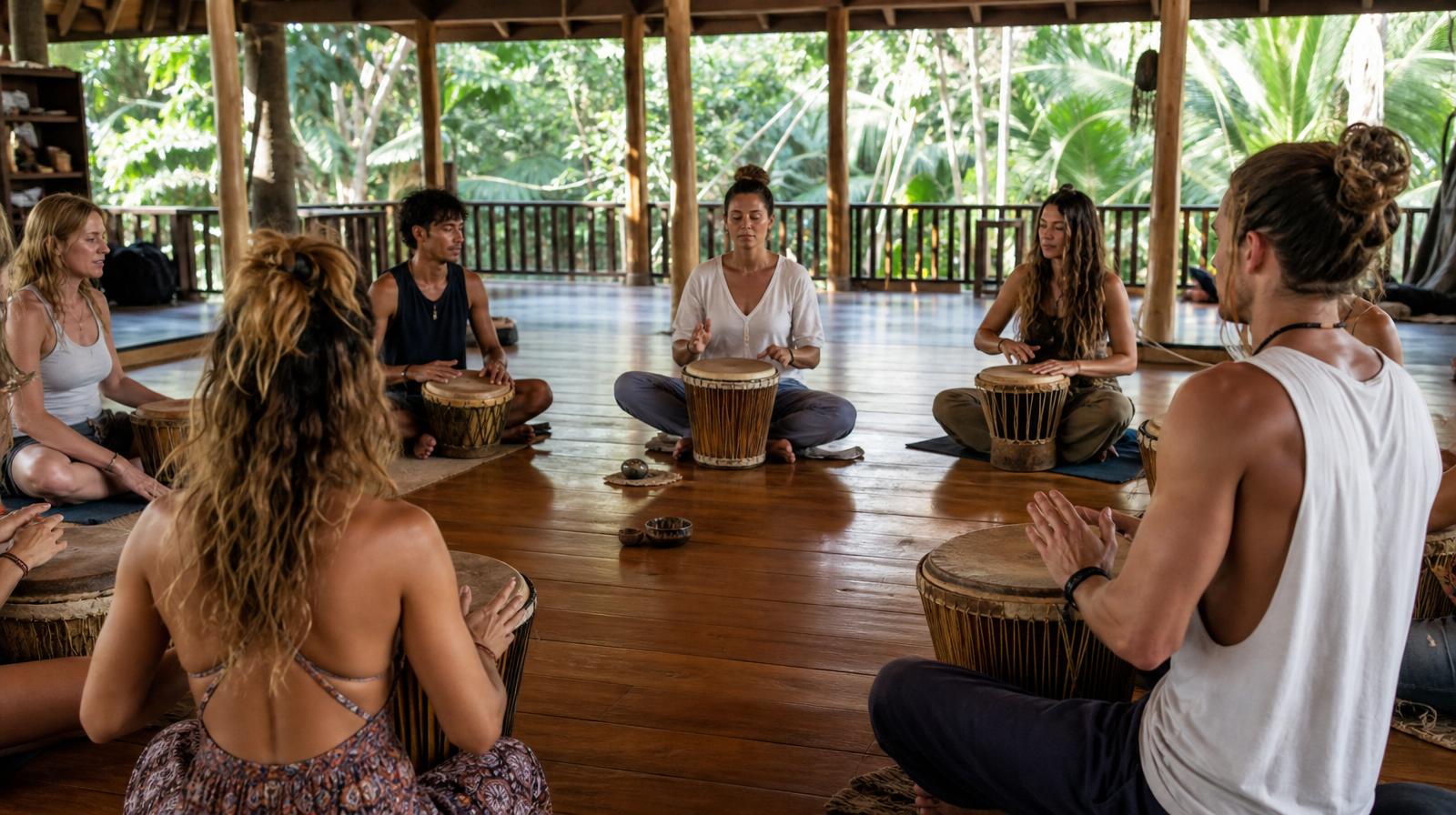
Germany boasts one of the most organized and passionate drumming communities in Europe. Whether you are walking through the Tiergarten in Berlin on a Sunday afternoon or exploring the quiet valleys of the Black Forest, the resonant pulse of the djembe and the sharp crack of the doumbek are never far away. The concept of the 'Trommelgruppe' (drumming group) is deeply embedded in the local culture, blending traditional West African rhythms with modern therapeutic and community-building practices.
In this guide, we explore the unique landscape of the drum circle Germany scene, offering insights for locals and travelers alike who wish to connect through the universal language of rhythm.
The Spirit of the German Drumming Scene
What makes drumming in Germany unique is the balance between technical precision and communal joy. Many German circles are deeply influenced by the 'Drum Circle Facilitation' movement, focusing on the inclusive, non-judgmental power of rhythm. Unlike formal performances, these gatherings prioritize the 'we' over the 'me,' creating a space where beginners playing a simple shaker are just as valued as master drummers on the lead djembe.
In major cities, you will find a mix of open-air public jams and structured indoor sessions hosted by experienced facilitators. These events often feature a diverse array of instruments, including:
- Djembe: The most popular choice for its versatile range of bass, tone, and slap.
- Dunun: The heartbeat of the circle, often played with sticks on large cylindrical drums.
- Congas and Bongos: Bringing a Latin flair to urban gatherings.
- Frame Drums: Popular in more meditative or spiritual circles.
- Handpans: A growing favorite in German parks for their melodic, ethereal qualities.
Top Regions for Drumming in Germany
Berlin: The Rhythmic Melting Pot
Berlin is the undisputed capital of the drum circle Germany movement. The city's international population brings together styles from West Africa, Brazil, and the Middle East. Places like Mauerpark and Tempelhofer Feld are famous for spontaneous Sunday afternoon jams. If you are looking for more structured learning, there are numerous drum schools throughout the city offering workshops in everything from Malinke rhythms to Taiko.
The Rhine-Main Area and Frankfurt
This region is home to several long-standing drumming associations. The focus here is often on community health and wellness, with many circles hosted in community centers and parks. The local scene is known for its welcoming 'call-and-response' sessions that help newcomers find their footing quickly.
Bavaria and the South
In Munich and the surrounding Alpine regions, drumming often takes on a seasonal character. During the summer, the English Garden (Englischer Garten) becomes a hub for hand drummers. In the winter, the scene moves indoors to cozy studios and community halls, often focusing on the therapeutic aspects of rhythm.
Finding a Drum Circle in Germany
Finding your tribe is easy if you know where to look. While many groups advertise on social media, the most reliable way to find a consistent gathering is through a dedicated directory. Whether you are looking for a high-energy djembe jam or a quiet frame drum meditation, you can browse our list of drum circles to find a group that matches your vibe.
If you are a traveler, don't be afraid to reach out to local organizers in advance. Most German drum circles are incredibly welcoming to international guests, and many facilitators speak excellent English.
Etiquette and What to Expect
German drum circles generally follow a set of unspoken rules to ensure everyone has a good experience. If you are joining a circle for the first time, keep these tips in mind:
- Listen First: Before you start playing, listen to the existing groove for a minute. Find the 'pulse' and enter softly.
- Support the Foundation: You don't always need to play a solo. Supporting the bass rhythm on a dunun or a low-tuned djembe is the best way to help the circle stay together.
- Respect the Instruments: If you see a drum that isn't yours, always ask the owner before playing it. Many drummers in Germany take great pride in their professional-grade instruments.
- Follow the Facilitator: If there is a person in the center using hand signals, pay attention. They are there to help the group transition between rhythms or manage the volume.
Workshops and Rhythmic Education
For those who want to move beyond the basic 'boom-chack' of a park jam, Germany offers world-class educational opportunities. Many drum teachers across the country specialize in specific traditions, such as the Ewe rhythms of Ghana or the complex polyrhythms of Guinea.
During the summer months, keep an eye out for drumming retreats held in the German countryside. These multi-day events often feature master drummers from West Africa and provide an immersive environment to sharpen your skills while connecting with the earth and the community.
The Health Benefits of Community Drumming
The 'Trommel-Kultur' (drum culture) in Germany isn't just about music; it's about well-being. Many German practitioners use drumming as a form of stress relief and social connection. Research often cited in German drumming circles highlights how synchronized drumming can lower cortisol levels and boost the immune system. In a fast-paced world, the drum circle offers a rare opportunity to be fully present in the moment.
Conclusion
From the vibrant streets of Hamburg to the serene shores of Lake Constance, the drum circle Germany scene is a testament to the power of rhythm to bridge cultural divides. It is a community built on the values of inclusion, respect, and, above all, the joy of the beat.
Find a drum circle near you on our drum circles map and start your rhythmic journey today.
Frequently asked
- Do I need to bring my own drum to a German drum circle?
- While many experienced players bring their own djembe or congas, many facilitated circles provide 'loaner' instruments for a small fee or for free. It is always best to check the event description on our directory or contact the organizer beforehand.
- Are drum circles in Germany beginner-friendly?
- Yes, the vast majority of German drum circles are open to all skill levels. Facilitated circles are specifically designed to help beginners find a rhythm quickly, often using simple patterns and shakers to get everyone involved.
- Where can I find large drumming festivals in Germany?
- Germany hosts several major rhythm festivals, particularly in the summer. You can find these larger gatherings by checking our [events](/events) section, which lists festivals, intensive workshops, and multi-day rhythmic celebrations across Europe.
Find a drum circle near you
Browse hundreds of circles, teachers and rhythm community gatherings.
Explore drum circles