
Drum Circle Goa: A Guide to Rhythms on the Arabian Sea
Experience the magic of sunset drumming in Goa, from the legendary sands of Arambol to hidden jungle retreats.
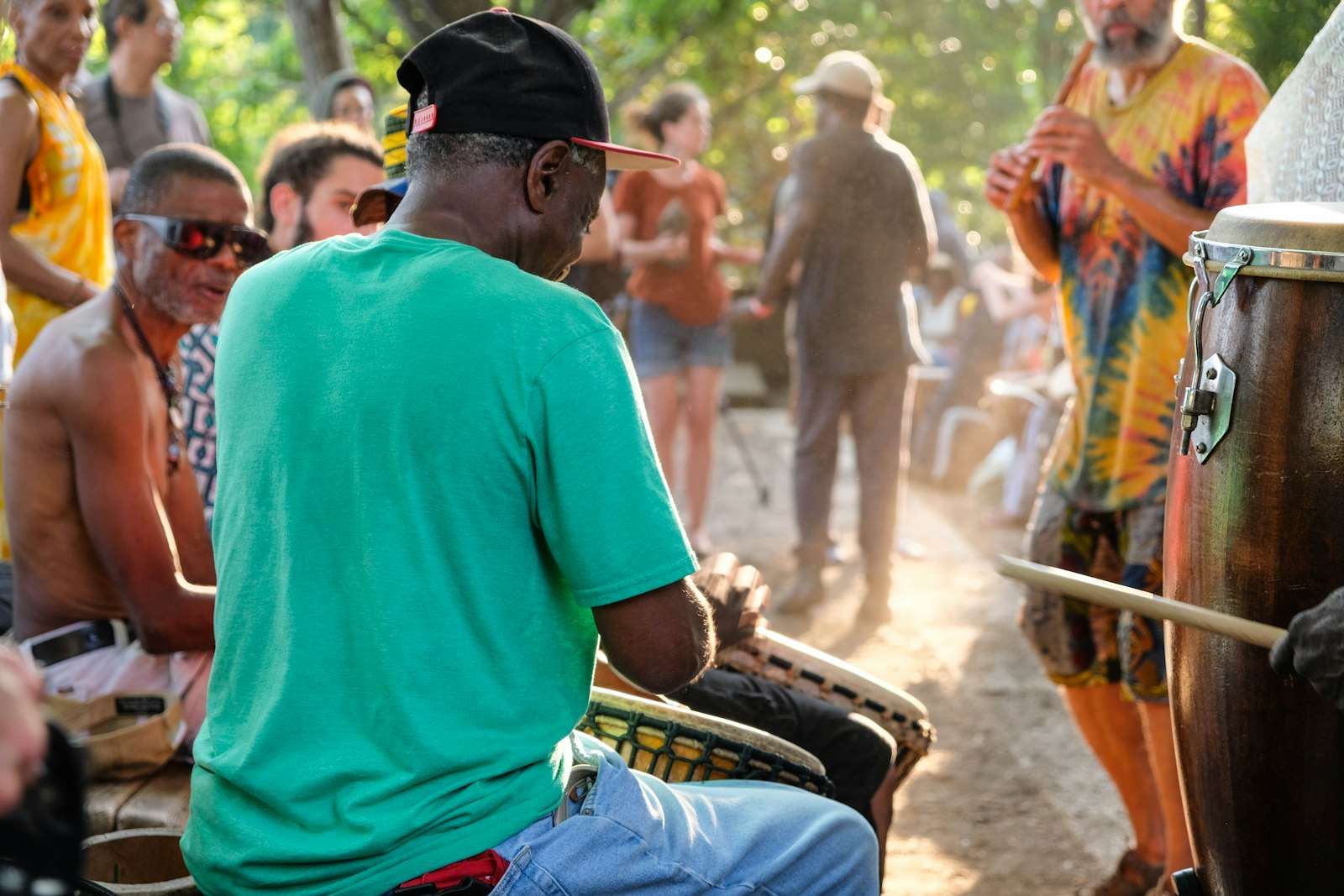
There is a specific frequency that resonates along the coastline of Goa, India. It isn't just the sound of the Arabian Sea crashing against the shore; it is the pulse of the djembe, the sharp crack of the doumbek, and the deep, grounding thud of the dunun. For decades, Goa has been a global sanctuary for musicians, travelers, and seekers, making the drum circle Goa scene one of the most vibrant and eclectic in the world.
Whether you are a seasoned percussionist or someone who has never touched a drum skin, the rhythmic gatherings here offer a unique form of communal meditation. This guide explores where to find these circles, what to expect, and how to immerse yourself in the Goan beat.
The Heart of the Beat: Arambol Sunset Drum Circles
If you ask anyone where to find a drum circle in Goa, all fingers point toward Arambol. As the sun begins its descent, the north end of Arambol beach transforms. What starts as a few stray beats from a lone djembe player quickly swells into a massive, multi-instrumental ensemble.
These gatherings are famous for their inclusivity. You will see professional musicians from Europe, local Indian percussionists, and backpackers shaking maracas or clapping in time. The energy is infectious, often drawing in dancers and fire-spinners as the light fades. It is the quintessential Goa experience—unscripted, free-form, and deeply connected to the natural landscape.
Beyond the Beach: Jungle and Boutique Gatherings
While the beach circles are iconic, Goa’s rhythm scene extends into the lush greenery of the hinterlands. Places like Mandrem and Assagao host more intimate, curated circles in garden cafes and yoga shalas. These events often lean more toward "rhythm medicine" or intentional sound healing.
In these settings, you might encounter frame drums, handpans, and even the sitar blending into the percussion. These gatherings are often part of larger drumming retreats that combine rhythm with yoga and mindfulness, providing a deeper dive into the technical and spiritual aspects of the craft.
Instruments of the Goan Sands
What makes a drum circle in Goa so sonically rich is the diversity of instruments. Because Goa is a crossroads for international travelers, you will hear a global orchestra:
- Djembe: The king of the beach circle, valued for its loud, carrying slap and deep bass.
- Doumbek and Darbuka: Often brought by travelers from the Middle East and Eastern Europe, adding intricate, rapid-fire high notes.
- Dunun: These large West African bass drums provide the heartbeat and stability for the faster lead drums.
- Frame Drums: Often used in more meditative, smaller circles for their haunting, earthy tones.
- Local Percussion: Don't be surprised to see the Indian Ghatam (clay pot) or Kanjira making an appearance, bridging the gap between Western drum circle culture and Indian classical rhythm.
Etiquette for the Traveling Drummer
Joining a drum circle in a foreign land requires a balance of enthusiasm and respect. To ensure the harmony of the group, keep these tips in mind:
- Listen First: Before you strike your drum, listen to the established groove. Find the "pocket" and enter gently.
- Support the Bass: If there are too many people playing high-pitched solos, stick to a steady bass pattern to keep the circle grounded.
- Respect the Space: In Goa, many circles take place on public beaches. Be mindful of your surroundings and keep the area clean.
- Ask Before Borrowing: If you don't have an instrument, many people are happy to share, but always ask before picking up someone else’s drum.
If you want to sharpen your skills before joining the big sunset sessions, consider connecting with local drum teachers who can help you master basic strokes and traditional rhythms.
Seasonal Rhythms: When to Visit
The Goa drum circle scene is highly seasonal. The peak window is between November and March, when the weather is dry and the international community is at its height. During the monsoon season (June to September), the beach circles move indoors to local community hubs and shalas.
Many of these seasonal residents also organize formal events and festivals that celebrate percussion, including workshops and multi-day rhythm intensives. Keeping an eye on local community boards is the best way to find these pop-up gatherings.
Finding Your Rhythm Community
Goa is a place where you can lose yourself in the music, but it is also a place to find a global family. The connections made over a shared djembe rhythm often last a lifetime. Whether you are looking for drum schools to study the craft seriously or just want to dance under the full moon, the rhythm is waiting for you.
Find a drum circle near you and start your journey into the heart of the beat.
Frequently asked
- Where is the most famous drum circle in Goa?
- The most famous drum circle is located on Arambol Beach in North Goa. It takes place almost every evening at sunset, drawing a large crowd of musicians, dancers, and travelers near the shoreline.
- Do I need to bring my own drum to join a circle in Goa?
- While having your own djembe or percussion instrument is ideal, it is not strictly necessary. Many participants are happy to share, and the inclusive atmosphere often encourages people to participate through clapping, dancing, or using small shakers.
- Are there drum lessons available in Goa?
- Yes, Goa is home to many talented percussionists who offer private and group lessons. You can find teachers specializing in West African djembe, Middle Eastern darbuka, and even traditional Indian rhythms in areas like Arambol, Mandrem, and Anjuna.
Find a drum circle near you
Browse hundreds of circles, teachers and rhythm community gatherings.
Explore drum circles