The Power of Drum Circle Healing: Rhythm for Mind and Body
Discover how the ancient practice of communal drumming reduces stress, boosts the immune system, and fosters deep emotional connection through the power of rhythm.
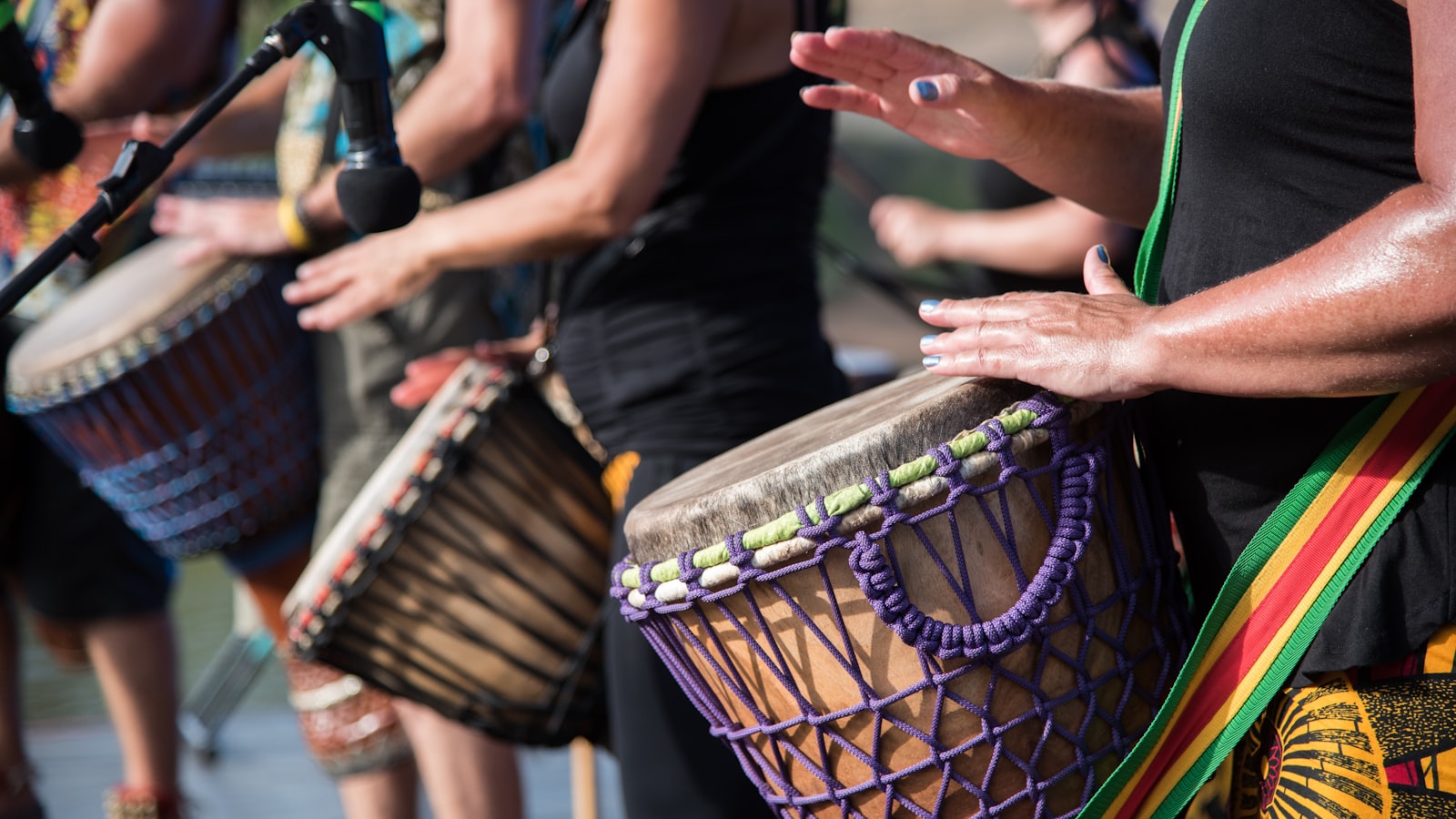
There is a primal resonance that occurs when a group of people gathers in a circle, instruments in hand, to share a heartbeat. This isn't just about making music; it is an ancient technology for wellness. Drum circle healing is a holistic practice that has transitioned from indigenous tradition to modern clinical therapy, offering a bridge between physical health and emotional release.
Whether you are striking a djembe for the first time or you are an experienced player of the frame drum, the act of drumming in a group creates a unique physiological state. It is a space where the internal chatter of the mind falls silent, replaced by the grounding pulse of the collective.
The Science of Rhythm: How Drumming Heals
Research into the benefits of group drumming has revealed fascinating insights into our neurobiology. When we participate in a drum circle, our bodies respond at a cellular level. Studies have shown that group drumming can increase the activity of natural killer (NK) cells, which are responsible for targeting and destroying cancer cells and virally infected cells.
Beyond the immune system, rhythm acts as a powerful regulator of the nervous system. The repetitive, steady beat of a bass tone on a conga or the sharp slap of a djembe helps to synchronize the left and right hemispheres of the brain. This synchronization induces a state of deep relaxation and mental clarity, often compared to the effects of long-term meditation.
Emotional Release and Stress Reduction
In our modern, high-stress world, we often carry emotional weight in our bodies. Drum circle healing provides a non-verbal outlet for these feelings. You don’t need words to express frustration, grief, or joy; you can leave it all on the drumhead.
Participating in a circle allows for a healthy release of cortisol, the stress hormone. As the group moves through various rhythms—from slow, meditative pulses to high-energy crescendos—participants often report a sense of 'catharsis.' This emotional 'venting' is why many drumming retreats focus specifically on trauma recovery and burnout prevention.
Building Community Through Shared Pulse
One of the most profound aspects of drum circle healing is the breakdown of social isolation. In a circle, every voice matters. There is no hierarchy; the beginner with a simple shaker is just as essential to the groove as the facilitator leading a complex call-and-response on the dununs.
This sense of belonging is a vital component of mental health. For those struggling with anxiety or depression, the drum circle offers a safe, low-pressure environment to reconnect with others. It is a place where you are seen, heard, and felt through the vibration of the air itself.
Therapeutic Instruments Used in Healing Circles
While any percussion instrument can be part of the journey, certain drums are staples in healing environments due to their tonal qualities:
- Djembe: Known for its wide range of tones, the djembe is excellent for grounding (bass) and releasing energy (slap).
- Frame Drum: Often used in more meditative or 'shamanic' healing contexts, its overtones are soothing and trance-inducing.
- Buffalo Drum: A type of frame drum with a deep, resonant beat that mimics the human heartbeat.
- Doumbek: Its crisp, clear sounds are wonderful for sharp focus and rhythmic precision.
- Shakers and Bells: These provide the 'high end' of the frequency spectrum, helping to lighten the mood and add texture to the healing space.
What to Expect at a Healing Drum Circle
If you are attending a circle for the first time, you might feel a bit of 'rhythm anxiety.' Rest assured, healing circles are not about performance. Most are geared toward 'free-form' expression or gentle guidance by a facilitator.
Typically, a session begins with a brief centering exercise or a simple heartbeat rhythm. The facilitator may lead the group through different 'volumes' of play, or encourage participants to listen to the spaces between the beats. You may find yourself entering a 'flow state,' where time seems to disappear and you are fully present in the moment. Many people find these experiences so transformative that they eventually seek out drum teachers to deepen their personal practice.
Finding Your Rhythm for Wellness
Healing is not a destination, but a practice. Incorporating group rhythm into your life can be a foundational pillar of your self-care routine. Whether you are looking to manage chronic pain, reduce daily stress, or simply find a community of like-minded souls, the drum is waiting for you.
If you are ready to experience the transformative power of the beat, you can explore various events held globally that focus on rhythmic wellness. From full-moon beach circles to clinical music therapy sessions, there is a seat in the circle with your name on it.
Find a drum circle near you by visiting our global directory at /drum-circles.
Frequently asked
- Do I need to be a musician to participate in drum circle healing?
- Not at all. Drum circle healing is about expression and connection rather than musical skill. Most circles are 'come as you are' and welcome beginners with no prior experience, focusing on the therapeutic benefits of the vibration and community.
- How does drumming help with anxiety?
- Drumming helps anxiety by grounding the individual in the present moment and regulating the nervous system. The rhythmic pulses help shift the brain from a 'fight or flight' state into a relaxed alpha-wave state, reducing the physical symptoms of stress.
- What should I bring to a healing drum circle?
- Most facilitated circles provide instruments for participants, but you are always welcome to bring your own djembe, frame drum, or percussion toys. It is also recommended to bring water and wear comfortable clothing that allows you to sit and move freely.
Find a drum circle near you
Browse hundreds of circles, teachers and rhythm community gatherings.
Explore drum circles