
Inspiring Drum Circle Ideas for Facilitators and Groups
Discover creative drum circle ideas to energize your next rhythm gathering, from beginner games to advanced polyrhythmic exercises.
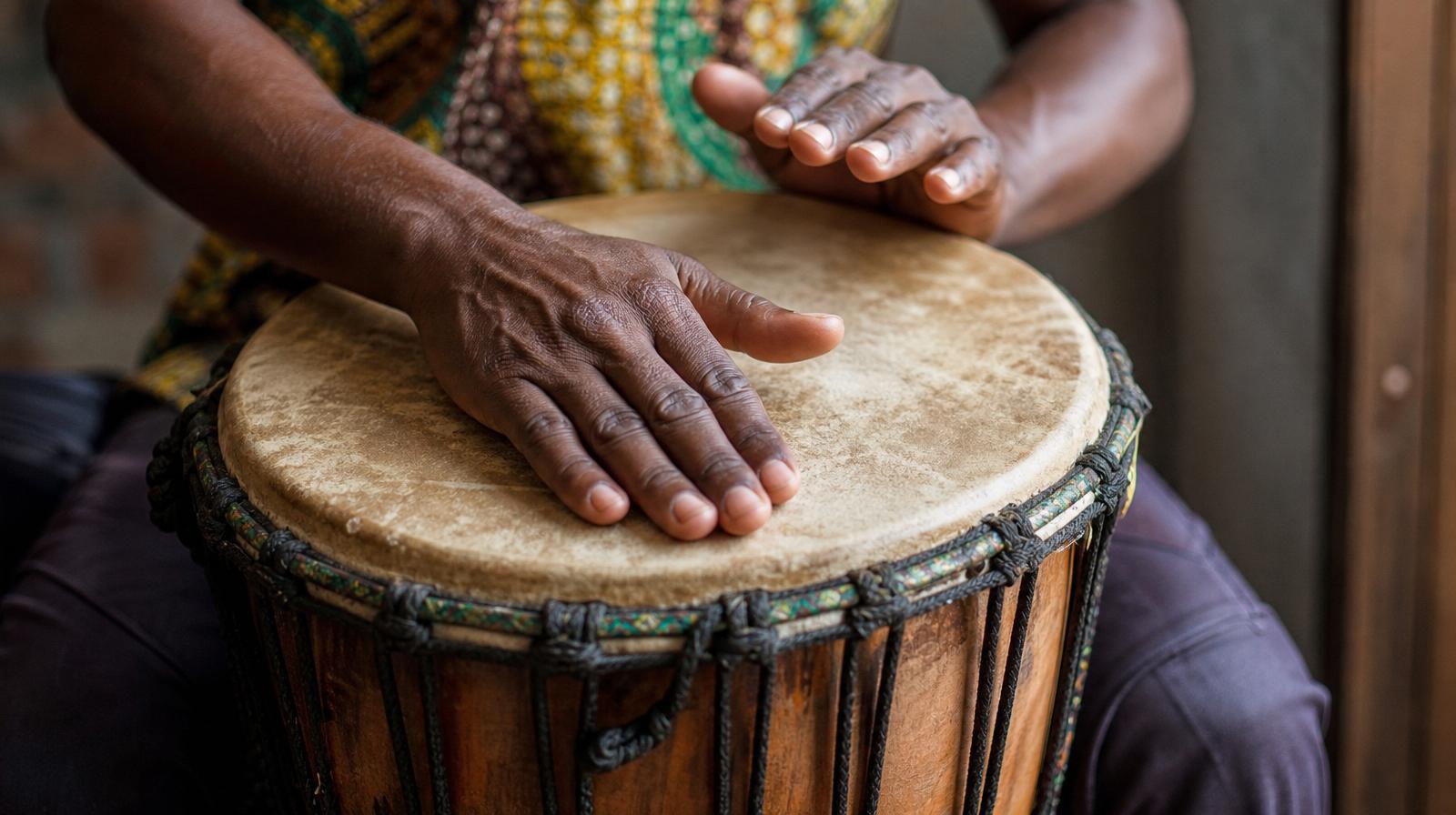
Whether you are standing in the center of a local park with twenty strangers or leading a dedicated group of students in a studio, the energy of a drum circle is undeniable. However, even the most passionate groups can sometimes fall into a rhythmic rut. To keep the pulse fresh and the community engaged, having a toolkit of creative drum circle ideas is essential.
A successful circle isn't just about keeping time; it’s about connection, listening, and spontaneous expression. From the first strike of a djembe to the final resonant ring of a gong, these ideas will help you facilitate a more inclusive, dynamic, and memorable experience.
1. Ice-Breaker Games for New Circles
When a group first gathers, there is often a bit of "rhythm shyness." Breaking the ice is the first step toward a cohesive sound.
- The Name Game: Have each participant say their name followed by a short rhythmic motif on their drum (like a conga or doumbek). The entire group then repeats the name and the rhythm in unison. This validates each individual and gets everyone playing together immediately.
- Pass the Pulse: Start a simple, steady beat on a frame drum. Instruct the person to your left to take over the beat while you stop. They then "pass" it to the next person. This builds focus and teaches participants to listen to the person next to them.
- Rhythm Telephone: Whisper a simple 4-beat pattern (using claps or small taps) to the person next to you. They pass it around the circle. Once it reaches the end, the last person plays it out loud on their djembe to see how much the "message" changed.
2. Dynamic Call-and-Response Techniques
Call-and-response is the backbone of traditional West African and Afro-Cuban drumming. It is one of the most effective drum circle ideas for creating structure without needing a sheet of music.
- The Leader’s Call: As the facilitator, play a distinct pattern—perhaps a sharp slap-tone-tone on the djembe. The group responds with the same pattern or a pre-agreed "answer."
- Rotating Leadership: Encourage a participant to step into the center (or simply lead from their seat) to give the "call." This empowers members and keeps the energy shifting.
- The Question and Answer: Instead of exact mimicry, encourage the group to "answer" the leader's rhythmic question. If the leader plays something busy and loud, the group might respond with something sparse and quiet.
3. Integrating Diverse Instrumentation
A great drum circle isn't just djembes. Texture is what makes the music rich. If you are looking for drum schools to learn more about specific instruments, you'll find that variety is key to a professional sound.
- The Low End: Ensure you have dununs (doundounba, sangban, and kenkeni) or large bass drums to provide the heartbeat. This grounds the higher-pitched instruments.
- The Shaker Section: Provide shekeres, maracas, and eggs. These instruments fill the sonic gaps between drum hits and are perfect for beginners who might feel intimidated by a large drum.
- Metal and Wood: Introduce cowbells, agogô bells, and woodblocks. The sharp, piercing sound of metal helps keep the tempo steady, especially in large outdoor settings.
4. Themed Rhythmic Journeys
Giving your circle a theme can help guide the emotional arc of the session. This is particularly popular at drumming retreats where participants have more time to dive deep.
- The Full Moon Gathering: Focus on a slow build-up. Start with soft finger-tapping on frame drums, mimicking the sound of rain, and gradually transition into a high-energy celebration as the "moon rises."
- Elements Theme: Assign different sections of the circle to represent Earth (low, steady bass), Air (shakers and light chimes), Fire (fast, sharp djembe slaps), and Water (flowing, syncopated rhythms on the doumbek).
- Family-Friendly Circles: Use animal themes. Ask the kids to drum like a heavy elephant or a quick, scurrying mouse. This makes rhythm concepts like tempo and volume easy to understand.
5. Advanced Rhythmic Layering
For more experienced groups, you can move beyond simple unison playing into polyrhythms. This requires active listening and a bit of coordination.
- The 3-against-2 Pulse: Divide the circle in half. One side plays a steady triplet feel, while the other plays a duple feel. When they lock in, it creates that classic "heartbeat" tension found in many traditional styles.
- Layered Entrances: Start with the bass drums. After four bars, add the bells. Then add the middle-range drums (congas), and finally the lead djembes. This teaches participants how to hold their part while other sounds are introduced.
- Volume Swells: Practice collective crescendos and decrescendos. Use hand signals to bring the entire group from a whisper to a roar and back again. This is a powerful way to build group intuition.
6. Facilitation Etiquette and Best Practices
Being a good facilitator means knowing when to lead and when to step back. The best drum circle ideas are those that foster a sense of safety and community.
- The "No Wrong Notes" Rule: Remind everyone that in a community circle, there are no mistakes, only "jazz." This lowers anxiety and encourages creative risk-taking.
- Mind the Center: Keep the center of the circle clear for dancers or for the facilitator to move. Avoid letting the circle become a "blob"; the circular shape is vital for everyone to see and hear each other.
- The Big Stop: Learn a clear signal for ending a jam. A common one is raising both arms or playing a specific "break" (a short, loud rhythmic sequence that signals the end). A clean finish is much more satisfying than a slow fade-out.
7. Finding Your Rhythm Community
If you’re looking to apply these ideas or simply want to experience the magic of a group pulse, the best way is to join an existing gathering. Whether you are searching for local drum circles or looking to hire drum teachers to hone your skills, connecting with others is where the real growth happens.
Drumming is a universal language. By incorporating these drum circle ideas, you aren't just making noise—you're building a bridge between people, one beat at a time.
Find a drum circle near you by visiting the Drum Circle Directory.
Frequently asked
- What are some good drum circle ideas for beginners?
- For beginners, stick to simple games like 'The Name Game' or 'Pass the Pulse.' Focusing on call-and-response helps new players feel successful without needing to master complex rhythms immediately. Providing small hand percussion like shakers can also help beginners feel more comfortable.
- How do you keep a drum circle from getting too loud?
- As a facilitator, use physical cues like lowering your hands toward the ground to signal a volume drop. You can also designate 'quiet zones' or introduce 'sculpting,' where you point to specific sections to play while others listen, creating a natural dynamic shift.
- What instruments are best for a community drum circle?
- A mix of djembes, congas, and dununs provides a solid foundation. Adding 'color' instruments like shakers, bells, and frame drums ensures there is a sound for every skill level and musical taste, making the circle more inclusive and sonically interesting.
Find a drum circle near you
Browse hundreds of circles, teachers and rhythm community gatherings.
Explore drum circles