Drum Circle India: A Guide to Rhythm Communities and
Discover the vibrant pulse of India’s growing drum circle scene, from the beaches of Goa to the urban hubs of Mumbai and Bangalore.
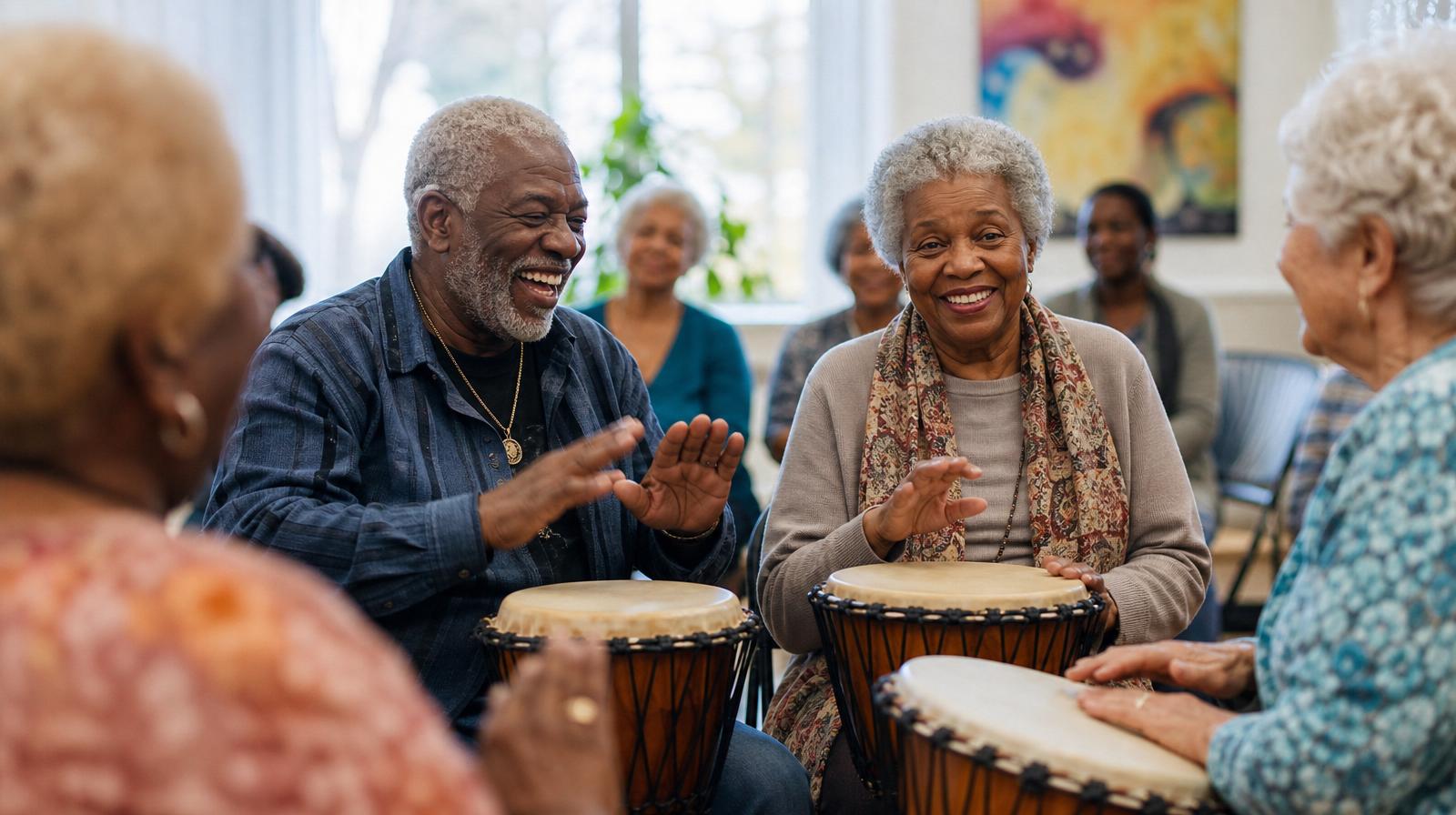
India is a land where rhythm is woven into the very fabric of daily life. From the intricate taal of classical tabla to the thunderous beats of the Dhol during festivals, percussion is nothing new to the subcontinent. However, a new wave of rhythmic expression is taking hold: the community drum circle.
Unlike traditional performances where there is a clear divide between artist and audience, a drum circle India style is all about inclusivity. It is a space where the djembe, the doumbek, and the frame drum meet the heartbeat of the community. Whether you are in the bustling streets of Mumbai or the serene landscapes of Rishikesh, the drum circle movement is uniting people through the universal language of the beat.
The Rise of Community Drumming in India
In the last decade, community drumming has transitioned from a niche hobby to a mainstream wellness and social activity in India. What started as informal jams on the beaches of Anjuna and Arambol in Goa has migrated into corporate boardrooms, public parks, and dedicated music studios in major metros.
Facilitators across the country are using rhythm as a tool for stress relief, team building, and social cohesion. These gatherings are often family-friendly, welcoming everyone from toddlers to seniors. The focus is not on perfection, but on connection. In a country as diverse as India, the drum circle serves as a powerful equalizer, breaking down barriers of language, age, and background.
Popular Hubs for Drum Circles in India
If you are looking to find your rhythm, several cities have emerged as vibrant centers for the drumming community:
- Mumbai: The 'City of Dreams' has a massive drumming heart. From weekend sessions at Carter Road to organized events in Bandra, Mumbai offers numerous opportunities to pick up a djembe.
- Bangalore: Known for its thriving arts scene, the Garden City hosts regular circles in Cubbon Park and various cultural hubs. Many drum teachers here specialize in West African rhythms.
- Goa: The spiritual home of the Indian drum circle. The sunset drum circles at North Goa beaches are legendary, featuring a mix of locals and international travelers playing everything from congas to handpans.
- Delhi/NCR: The capital region has seen a surge in therapeutic drumming and corporate rhythm workshops, with many groups meeting in Hauz Khas and various farmhouses on the outskirts.
- Pune: A city with a deep musical heritage, Pune hosts frequent community jams and is home to several prominent percussion schools.
Instruments You’ll Encounter
While traditional Indian instruments like the Dholak or Kanjira occasionally make an appearance, the most common instruments in an Indian drum circle are international favorites:
- Djembe: The most popular choice due to its versatility and wide range of tones (slap, tone, and bass).
- Dunun: Often used to provide the melodic heartbeat of the rhythm, these cylindrical drums are played with sticks.
- Darbuka/Doumbek: Bringing a Middle Eastern flair to the circle, these are common in more fusion-oriented jams.
- Frame Drums: Loved for their portability and earthy resonance.
- Shakers and Bells: Essential for maintaining the 'pulse' and allowing non-drummers to participate easily.
What to Expect at Your First Circle
If you are attending a drum circle India event for the first time, don't be intimidated. Most circles follow a basic flow:
- The Opening: The facilitator will often start with a simple pulse to get everyone in sync.
- Call-and-Response: A leader plays a pattern, and the group mimics it back. This is a great way to learn basic technique.
- Free Jamming: Once the energy is high, the group enters a period of improvisational play where you can explore your own rhythms within the collective beat.
- The Closing: Usually, the energy is brought down slowly, ending in a moment of silence or a shared 'rumble'.
For those looking to deepen their practice, checking out drum schools can provide the technical foundation needed to move from a beginner to a confident contributor.
Drumming Retreats and Festivals
For a more immersive experience, many enthusiasts look toward drumming retreats held in the Himalayas or the Western Ghats. These retreats often combine yoga, meditation, and intensive rhythm workshops.
Additionally, festivals like the 'Surajkund Mela' or various folk festivals often feature spontaneous drumming. However, if you want a dedicated rhythmic experience, keep an eye on our events page for upcoming festivals specifically focused on percussion and community music-making.
Etiquette for the Indian Drummer
To ensure a positive experience for everyone, keep these simple guidelines in mind:
- Listen as much as you play: The best circles happen when everyone is attuned to the collective sound.
- Ask before playing someone else's drum: Instruments are often personal and expensive; always seek permission.
- Support the beat: Don't try to play over the group. Find the 'pocket' and stay there.
- Follow the facilitator: They are there to guide the energy and ensure everyone has a voice.
Conclusion: Join the Rhythm
The drum circle movement in India is more than just a musical trend; it is a return to our roots of communal celebration. Whether you are looking for a therapeutic outlet or a way to meet like-minded people, there is a seat waiting for you in the circle.
Find a drum circle near you by visiting our global map at /drum-circles.
Frequently asked
- Do I need to own a drum to join a drum circle in India?
- No, most organized drum circles in India provide instruments for participants. Facilitators usually bring a large collection of djembes and percussion toys to ensure everyone can join in, though you are always welcome to bring your own.
- Are Indian drum circles beginner-friendly?
- Absolutely. Most community drum circles are specifically designed for people with no prior musical experience. The facilitator will guide you through basic techniques and easy-to-follow rhythms.
- Where can I find a drum circle in Mumbai or Delhi?
- You can find local listings for Mumbai, Delhi, and other Indian cities on the Drum Circle Directory. Check our local scene sections or search the map for the most up-to-date gathering times and locations.
- What is the typical cost of attending a drum circle in India?
- Costs vary depending on the venue. Public park sessions are often free or based on a small donation, while facilitated workshops in studios may charge between ₹300 to ₹1000 per session to cover instrument maintenance and venue costs.
Find a drum circle near you
Browse hundreds of circles, teachers and rhythm community gatherings.
Explore drum circles