
Drum Circle Italy: A Guide to Rhythms Under the
Discover the vibrant pulse of Italian percussion, from ancient frame drum traditions to modern community drum circles in Rome, Tuscany, and beyond.
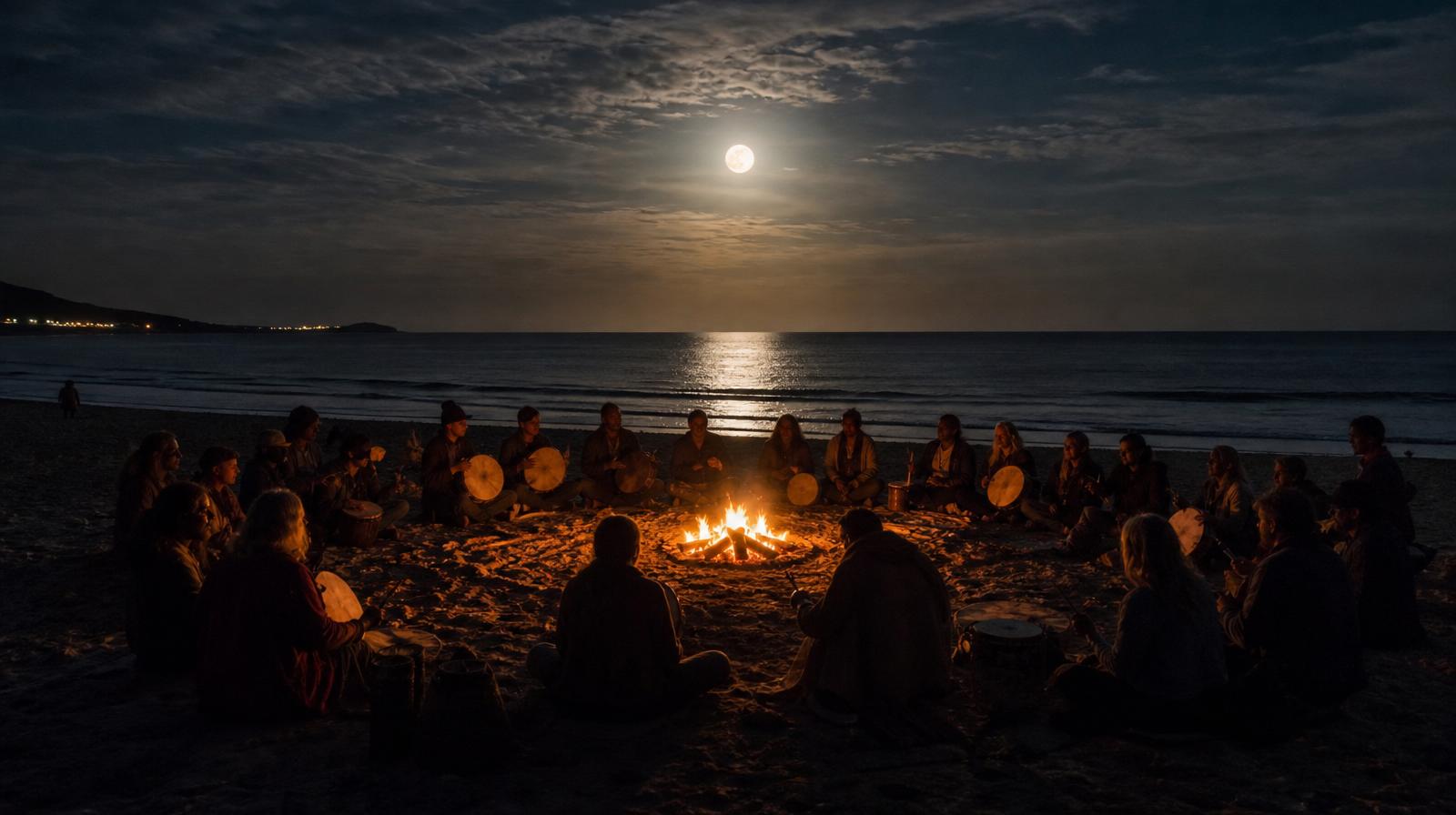
Italy is a land synonymous with melody, but beneath the famous operatic arias and mandolin strums lies a deep, ancient heartbeat. From the volcanic energy of Sicily to the rolling hills of Tuscany, the "drum circle Italy" scene is a thriving tapestry of ancient tradition and modern community building.
Whether you are a traveler looking to connect with locals through rhythm or a resident seeking a weekly djembe jam, the Italian drumming community offers a warmth that is as inviting as its cuisine. In this guide, we explore how rhythm brings people together across the peninsula.
The Roots of Italian Rhythm: From Tamburello to Community
To understand a drum circle in Italy, one must first acknowledge the country's rich history with percussion. Long before the modern djembe found its way into urban parks, the tamburello and tammorra (Italian frame drums) were the heartbeat of rural life. These instruments were used in healing rituals like the Tarantella, designed to drum the "poison" of a spider bite out of the body through ecstatic dance.
Today, this ancestral energy has evolved. Modern drum circles in Italy often blend these traditional frame drums with global instruments. It is common to see a circle where a Sicilian frame drum sits comfortably alongside a West African djembe or a Middle Eastern doumbek. This fusion creates a unique sonic landscape that is distinctly Italian—passionate, inclusive, and deeply rhythmic.
Where to Find Drum Circles in Italy
If you are searching for a drum circle in Italy, your experience will vary depending on the region. The culture of gathering in the piazza makes Italy a natural home for public drumming.
- Rome and Central Italy: The capital city boasts several informal drumming groups that meet in historic parks like Villa Borghese. These are often family-friendly circles where beginners are welcomed with open arms.
- Tuscany: Known for its wellness culture, Tuscany is a hub for drumming retreats that focus on the meditative and healing aspects of rhythm.
- Southern Italy and Sicily: This is the heartland of the frame drum. Here, circles are often more folk-oriented, focusing on traditional rhythms and call-and-response patterns that have been passed down for generations.
Essential Etiquette for the Italian Drumming Scene
Italians value socialità—the art of being social. When joining a drum circle in Italy, the social connection is just as important as the music. Here are a few tips for the traveling drummer:
- Listen First: Before jumping in with a loud conga beat, take a moment to feel the pulse of the circle. Italian circles often have a specific "flavor" or groove they are cultivating.
- Respect the Lead: Many Italian circles are facilitated by experienced percussionists. If there is a facilitator, follow their signals for volume and tempo.
- Share the Space: If you brought extra instruments like shakers or woodblocks, offer them to those who arrived empty-handed. It’s a great way to make friends.
- Embrace the Dance: In Italy, drumming and dancing are inseparable. Don't be surprised if a circle turns into a spontaneous dance party.
Learning the Craft: Teachers and Schools
For those who want to go beyond the casual jam, Italy offers world-class instruction. Many drum teachers in Milan, Florence, and Naples specialize in both modern kit drumming and ethnic percussion.
If you are looking for a structured environment, there are several drum schools that offer intensive workshops. These programs often cover technical skills for the djembe or congas, while also teaching the history of the rhythms. Learning from a local maestro is the best way to understand the nuance of Italian timing and flair.
Rhythmic Retreats and Festivals
One of the best ways to experience a drum circle in Italy is by attending a dedicated event. Throughout the summer, various events and festivals celebrate the power of the beat.
From percussion festivals in the mountains of Umbria to beachside drumming circles in Puglia, these gatherings often last several days. They provide an immersive experience where you can eat, sleep, and breathe rhythm alongside master drummers from around the world. These retreats are perfect for those looking to disconnect from the digital world and reconnect with their own internal pulse.
The Health and Wellness Benefits of Drumming in Italy
The Italian lifestyle—la dolce vita—emphasizes well-being and community. Drumming fits perfectly into this philosophy. Scientific studies have shown that participating in a drum circle can reduce stress, boost the immune system, and create a sense of belonging. In the high-stress modern world, finding a drum circle in Italy offers a much-needed rhythmic sanctuary.
Whether you are playing a dunun with a group of friends or practicing solo on a frame drum overlooking the Amalfi coast, the act of drumming is a form of active meditation. It clears the mind and energizes the spirit.
How to Connect with the Local Community
Finding a specific gathering can sometimes be a challenge if you don't know where to look. While many circles are advertised on social media, the most reliable way to find a consistent group is through dedicated directories. Local music shops and community centers are also excellent resources for finding the "underground" jams that aren't always posted online.
Remember, the heart of the Italian drumming scene is its people. Be curious, be respectful, and most importantly, bring your passion to the circle. The rhythm is waiting for you.
Find a drum circle near you by visiting our global map at /drum-circles.
Frequently asked
- Do I need to bring my own drum to a circle in Italy?
- While many regular participants bring their own djembe or frame drum, many facilitated circles provide extra percussion instruments for newcomers. It is always a good idea to check the event description or message the organizer beforehand if you are traveling without an instrument.
- Are Italian drum circles beginner-friendly?
- Yes, the majority of community drum circles in Italy are very welcoming to beginners. The focus is usually on community and shared energy rather than technical perfection. Facilitators often provide basic rhythm patterns to help newcomers find their groove quickly.
- What kind of drums are most common in Italy?
- You will see a diverse mix of instruments. Traditional Italian frame drums like the tamburello are popular in the south, while West African djebmes and dununs are common in urban community circles. You may also encounter congas, bongos, and increasingly, the melodic hang drum or handpan.
Find a drum circle near you
Browse hundreds of circles, teachers and rhythm community gatherings.
Explore drum circles