
Your Guide to the Drum Circle Marketplace: Gear, Circles,
Discover the essential gear, instruments, and community connections that define the modern drum circle marketplace for facilitators and enthusiasts.
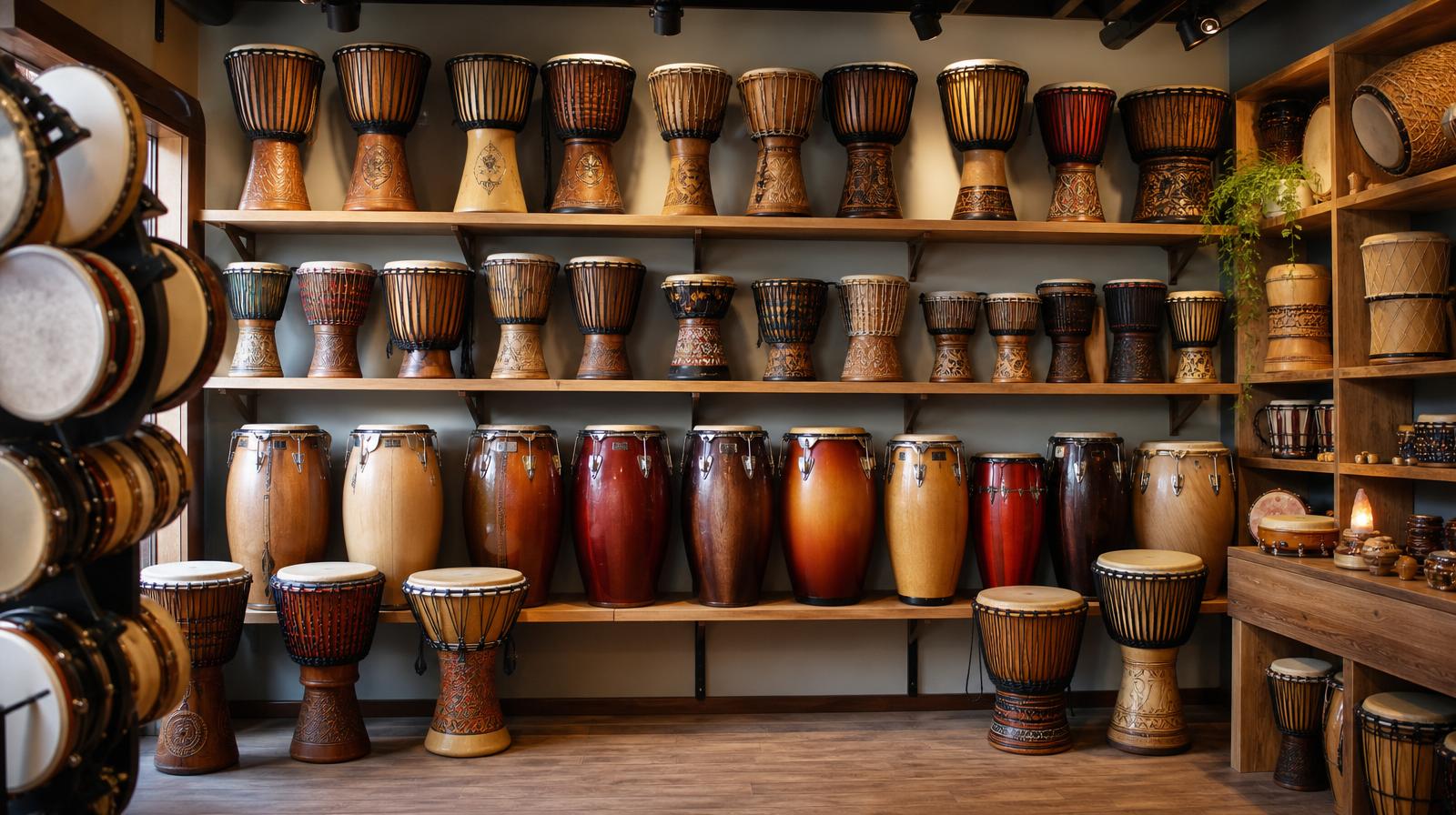
When we talk about the drum circle marketplace, we aren't just talking about a transaction of money for goatskin and wood. We are talking about the ecosystem that supports a global movement of rhythm. Whether you are a seasoned facilitator looking for a heavy-duty set of dununs or a newcomer searching for your first djembe, understanding the landscape of this marketplace is the first step toward finding your unique voice in the circle.
The marketplace is where craftsmanship meets community. It encompasses the artisan drum makers in West Africa, the innovative percussion brands in the West, and the digital spaces where rhythm seekers find upcoming events and local gatherings. This guide will walk you through everything you need to know about navigating this vibrant world.
Understanding Different Drum Types
Before diving into where to buy, you need to know what you are looking for. The variety of instruments in a typical drum circle is what creates that rich, layered soundscape we all love. Here are the staples of the marketplace:
- Djembe: The most popular choice for drum circles. Its goblet shape provides a deep bass, a crisp slap, and a singing tone. Look for sustainably sourced mahogany or high-quality synthetic shells if you travel often.
- Dunun (Doundoun): These are the heartbeat of West African drumming. Usually played with sticks, these cylindrical drums provide the melodic foundation.
- Congas and Bongos: Essential for Afro-Cuban rhythms, these bring a different texture and technique to the group.
- Frame Drums: Including the riq, tar, and bodhrán, these are perfect for those who prefer a more portable, spiritual, or meditative drumming experience.
- Doumbek/Darbuka: Excellent for intricate finger-work and Middle Eastern rhythms.
How to Choose a Quality Instrument
In a crowded marketplace, it is easy to be swayed by a low price tag. However, a "tourist grade" drum often lacks the structural integrity to stay in tune or produce a quality sound.
When inspecting a drum, check the bearing edge—the part of the shell where the skin meets the wood. It should be smooth and level. For wooden drums, look for cracks in the shell. While small "checks" are common in tropical woods, large cracks can affect the resonance. If you are buying a djembe, the quality of the rope matters; low-stretch, high-tensile rope will keep your drum in tune much longer.
The Role of the Facilitator in the Marketplace
A significant part of the drum circle marketplace involves professional services. Facilitators are the bridge between the instruments and the people. They provide the expertise to turn a group of strangers into a cohesive rhythmic unit.
Many facilitators also act as consultants for schools or wellness centers looking to purchase "drum circle kits." If you are looking to start a program, connecting with professional drum teachers can save you thousands of dollars in the long run by ensuring you buy durable, age-appropriate instruments.
Sustainable and Ethical Sourcing
As drummers, we have a responsibility to the Earth and the cultures that birthed these traditions. The modern drum circle marketplace is increasingly focused on ethical sourcing. This means ensuring that the wood used for shells is not from endangered forests and that the artisans who craft these instruments are paid a fair, living wage.
Many reputable sellers now provide certifications or detailed stories about the origins of their drums. Supporting these businesses ensures that the tradition of hand drumming remains healthy for generations to come.
Finding Your Rhythm Community
Once you have your gear, the marketplace transitions from physical goods to experiential value. Where do you take that new conga or djembe? The directory is your map to the world of rhythm. Finding a place to play is just as important as finding the right instrument.
Whether you are looking for immersive drumming retreats to deepen your skills or a simple local drum school to learn the basics of a 4/4 beat, the community is waiting for you with open arms.
Essential Accessories for Every Drummer
No journey into the marketplace is complete without considering the "extras" that make a drummer's life easier:
- Padded Gig Bags: Protect your investment from humidity and physical damage.
- Tuning Wrenches or Pullers: Essential for keeping your drum sounding its best.
- Drum Hats/Covers: To protect the skin from sun and moisture during outdoor circles.
- Comfortable Seating: A lightweight, foldable stool can be a lifesaver during a two-hour full-moon circle.
The Digital Marketplace: Buying Online vs. In-Person
While nothing beats the experience of putting your hands on a drum before buying it, the online marketplace offers unparalleled variety. If buying online, look for sellers who provide sound samples or videos of the specific drum you are purchasing. This transparency is a hallmark of a trustworthy dealer.
Find a drum circle near you to see what others are playing and get recommendations from your local community.
Frequently asked
- What is a fair price for a professional djembe?
- A professional-grade, hand-carved djembe typically ranges from $250 to $600. Factors influencing price include the type of wood (such as Lenke or Sangari), the quality of the skin, and the intricacy of the carvings.
- Should I buy a synthetic or goatskin drum head?
- Synthetic heads are excellent for weather resistance and staying in tune during outdoor events. Goatskin offers a warmer, more traditional tone that many purists prefer, though it is sensitive to humidity changes.
- Where can I find a drum circle facilitator for an event?
- You can find experienced facilitators by browsing the Drum Circle Directory, where professionals list their services for corporate teambuilding, wellness retreats, and community festivals.
Find a drum circle near you
Browse hundreds of circles, teachers and rhythm community gatherings.
Explore drum circles