
Drum Circle Meditation: Finding Your Inner Rhythm
Discover how the ancient power of the drum can quiet the mind, reduce stress, and foster deep communal connection through rhythmic meditation.
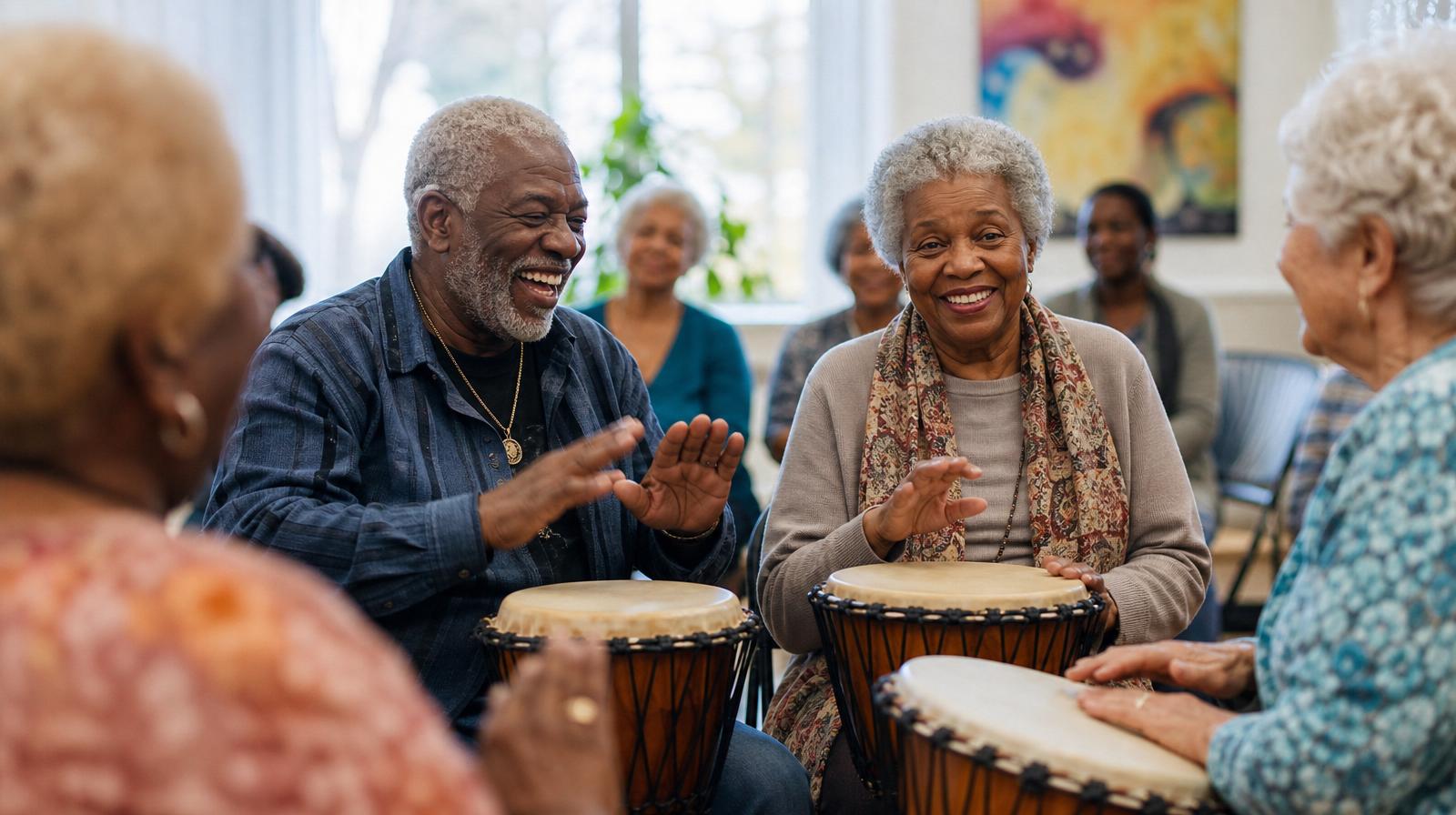
In our fast-paced, digital world, finding a moment of true silence can feel impossible. Ironically, many are finding that silence not in total quiet, but within the steady, resonant heartbeat of a drum. Drum circle meditation is an ancient practice resurfacing in modern wellness circles, offering a powerful path to mindfulness that doesn't require sitting perfectly still on a cushion.
When we gather in a circle with djembes, frame drums, and ashikos, we aren't just making music; we are entering a shared meditative state. This practice, often called 'rhythmic entrainment,' allows our brainwaves to sync with the beat, leading to profound relaxation and mental clarity.
The Science of Rhythmic Entrainment
At its core, drum circle meditation works because of physics and biology. Entrainment occurs when two vibrating bodies lock into a single frequency. In a drum circle, the collective pulse of the instruments encourages the brain to move from the high-frequency 'beta' waves of everyday stress into the calmer 'alpha' and 'theta' waves associated with deep meditation and creative flow.
Research has shown that group drumming can lower cortisol levels and boost the immune system. Unlike solo meditation, which can feel isolating for beginners, the communal nature of a drum circle provides a 'rhythmic anchor,' making it easier to stay present and focused.
Choosing the Right Instrument for Meditation
While any drum can be used for meditation, certain instruments are favored for their tonal qualities and ease of use:
- The Djembe: Its deep bass and sharp slaps provide a wide emotional range, perfect for releasing pent-up energy.
- The Frame Drum: One of the oldest instruments, its soft, overtone-rich sound is ideal for gentle, trance-like states.
- The Buffalo Drum: Often used in shamanic traditions, these drums produce a steady, grounding thrum that mimics a heartbeat.
- The Doumbek: For those who prefer intricate, liquid rhythms, the doumbek offers a crisp clarity that demands mindful focus.
If you are looking to master a specific instrument to deepen your practice, connecting with drum teachers can help you develop the technique needed to play effortlessly for long periods.
Setting the Intent for a Meditative Circle
Not every drum circle is a meditation. Some are high-energy parties or technical jam sessions. A drum circle meditation is characterized by its intent. Participants usually begin with a brief moment of silence or a guided visualization to ground the group.
In these circles, the focus is not on complex solos or showing off skills. Instead, the goal is 'active listening.' You contribute a simple, steady part that supports the whole. By focusing entirely on the sound of your mallet or palm hitting the skin, you enter a state of 'flow' where the ego fades away, and only the rhythm remains.
The Role of the Facilitator
A skilled facilitator is often the key to a successful meditative experience. They hold the space, ensuring the volume stays at a comfortable level and the tempo remains steady. They might use 'call-and-response' patterns to bring the group into sync or introduce 'sound baths' where most participants stop playing to listen to a few subtle instruments.
For those who want to experience this under professional guidance, many drumming retreats offer multi-day immersions into rhythmic mindfulness, allowing for a much deeper journey than a single evening session can provide.
Etiquette in a Meditative Drumming Space
To maintain the 'vibe' of a drum circle meditation, a few unwritten rules apply:
- Listen more than you play: If you can't hear the person next to you, you may be playing too loudly.
- Respect the silence: The moments between the rhythms are just as important as the beats themselves.
- Leave the ego at the door: This isn't the time for a five-minute solo. It's about the collective heartbeat.
- Follow the pulse: If the facilitator or the 'heartbeat' drum slows down, follow them. Resistance creates tension, which breaks the meditation.
Finding Your Rhythm Locally
You don't need to be a master percussionist to join a circle. Most meditative groups are incredibly welcoming to beginners, often providing spare instruments for newcomers. Whether it's a full-moon gathering on a beach or a quiet session in a community center, the benefits of drum circle meditation are accessible to everyone.
Ready to find your heartbeat? Find a drum circle near you and start your journey into the world of rhythmic mindfulness.
Frequently asked
- Do I need to know how to play the drums to join a meditation circle?
- No prior experience is necessary. Most meditative drum circles focus on simple, repetitive rhythms that are easy for beginners to pick up. The goal is mindfulness and connection, not technical perfection.
- What are the mental health benefits of drum circle meditation?
- Participants often report reduced anxiety, improved mood, and a sense of communal belonging. The rhythmic nature of the practice helps quiet the 'monkey mind' and can be a powerful tool for stress management.
- How long does a typical drumming meditation last?
- A standard session usually lasts between 60 and 90 minutes. This typically includes a warm-up, a period of sustained rhythmic entrainment, and a 'cool down' period of silence or soft sound.
Find a drum circle near you
Browse hundreds of circles, teachers and rhythm community gatherings.
Explore drum circles