Drum Circle Near Me: The Ultimate Guide to Finding Your
Discover how to find the perfect local drum circle, what to bring, and how to join the rhythm community in your area.
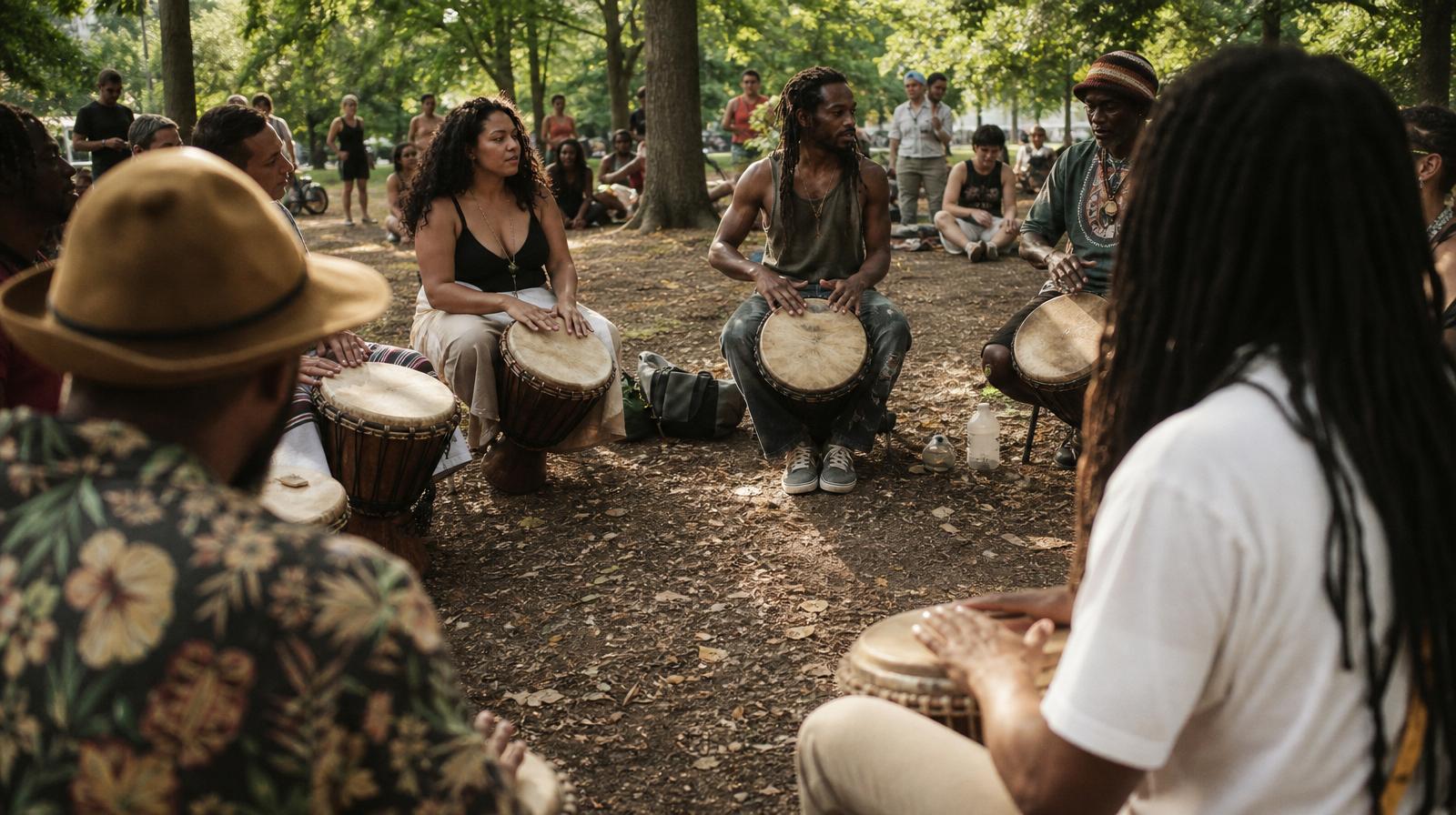
There is a specific kind of magic that happens when a group of people gathers in a circle to play drums. It starts as a few scattered beats and quickly evolves into a unified, pulsing heartbeat that transcends language and background. If you have ever found yourself searching for a "drum circle near me," you are likely craving that sense of connection, stress relief, and creative expression.
Whether you are a seasoned percussionist with a custom-carved djembe or someone who has never touched a drum in their life, there is a seat for you in the circle. This guide will help you navigate the local scene, understand what to expect, and find the community gathering that fits your vibe.
What Exactly is a Community Drum Circle?
Unlike a structured concert or a formal drum lesson, a community drum circle is a collaborative musical event. It is often non-hierarchical, meaning there is no "stage" and everyone is an equal participant. While some circles are led by a professional facilitator who uses signals to guide the volume and tempo, others are "freestyle" sessions where the rhythm flows organically from the group.
In these spaces, you will see a diverse array of instruments. You might hear the deep bass of a djembe, the sharp crack of a doumbek, the steady pulse of a conga, or the melodic shimmer of a frame drum. The goal isn't musical perfection; it is rhythmic communication.
How to Find the Best Drum Circle Near You
Finding a local rhythm community is easier than it used to be, but it still requires knowing where to look. Most circles meet in public parks, community centers, yoga studios, or beach fronts.
- Online Directories: The most reliable way to find a consistent group is through the Drum Circle Directory, which catalogs gatherings by location and style.
- Social Media Groups: Search for local "hand drumming" or "percussion" groups on social platforms.
- Music Stores: Local music shops often host bulletin boards where teachers and facilitators post flyer for upcoming events.
- Full Moon Gatherings: Many communities hold traditional full-moon drum circles which are often family-friendly and open to the public.
Choosing the Right Instrument
If you don't own a drum yet, don't let that stop you. Many facilitators provide "loaner" instruments for newcomers. However, if you are looking to invest in your first drum, here are the most common choices you'll see at a circle:
- Djembe: The most popular choice. It offers three distinct sounds (bass, tone, and slap) and is easy to transport.
- Ashiko: A tapered cylindrical drum that provides a warm, earthy tone.
- Cajon: A box drum you sit on; perfect for those who want to provide a "drum kit" feel to the circle.
- Frame Drum: Lightweight and spiritual, these are played with the fingers and are great for melodic rhythms.
- Auxiliary Percussion: If you aren't ready to drum, bring a shaker, a cowbell, or a pair of claves to help keep the pulse.
If you want to master a specific instrument before joining, consider connecting with drum teachers in your area to learn the proper technique and avoid hand fatigue.
Understanding Drum Circle Etiquette
Every circle has its own unspoken culture, but a few universal rules of etiquette will ensure you are welcomed back with open arms:
- Listen First: When you arrive, listen to the established rhythm for a minute before joining in. Find the "heartbeat" (the downbeat) and lock in.
- Support the Groove: Avoid playing over everyone else. If you can't hear the person next to you, you might be playing too loud.
- Ask Before Playing Someone Else's Drum: Drums are personal. Always ask permission before trying out another person's instrument.
- Follow the Facilitator: If there is a leader in the center, keep an eye out for their signals to stop, start, or change volume.
- Leave Space: Music is made of sound and silence. You don't have to play every single beat; leaving space allows the rhythm to breathe.
The Health and Wellness Benefits of Drumming
Searching for a "drum circle near me" isn't just about music; it's about well-being. Science has shown that group drumming can lower cortisol levels, reduce stress, and even boost the immune system. The act of drumming in unison releases endorphins and creates a state of "entrainment," where the brainwaves of participants actually synchronize.
For many, the circle is a form of meditation. The repetitive nature of the beat allows the mind to quiet down, providing a mental break from the anxieties of daily life. This is why many drumming retreats focus on the intersection of rhythm and mindfulness.
What to Bring to Your First Circle
To have the best experience, come prepared. Here is a quick checklist for your first outing:
- A Chair or Stool: Not all locations provide seating. A small folding camp chair is a lifesaver.
- Water: Drumming is a physical workout! Stay hydrated.
- Ear Protection: In indoor circles, the volume can get quite high. High-fidelity earplugs are a great investment.
- An Open Mind: You might feel a bit awkward at first, but remember that everyone in the circle was a beginner once.
Deepening Your Practice
If you fall in love with the rhythm and want to take it further, there are many ways to grow. You can look into drum schools that offer structured classes in West African, Afro-Cuban, or Middle Eastern percussion. Learning the traditional rhythms that birthed modern drum circles can give you a much deeper appreciation for the art form.
No matter where you are on your journey, the most important step is simply showing up. The rhythm community is one of the most inclusive and welcoming subcultures in the world.
Find a drum circle near you today and start your journey into the beat.
Frequently asked
- Do I need to own a drum to join a drum circle?
- No, many community drum circles provide extra instruments or 'loaners' for beginners. It is always a good idea to check the event description or contact the facilitator beforehand to see if instruments are available.
- Is a drum circle the same as a drum lesson?
- Generally, no. While you will learn by watching others, a drum circle is a social and improvisational event rather than a structured class. If you want formal instruction, it is best to seek out a private teacher or a dedicated drumming school.
- Are children allowed at drum circles?
- Most community drum circles are family-friendly and welcome children, provided they are supervised. Look for events specifically labeled as 'community' or 'family' circles, which tend to be more inclusive of all ages.
Find a drum circle near you
Browse hundreds of circles, teachers and rhythm community gatherings.
Explore drum circles