
Drum Circle Planning: The Ultimate Guide to Hosting Rhythm
Learn the essential steps for successful drum circle planning, from choosing the right venue to facilitating a group heartbeat that resonates with every participant.
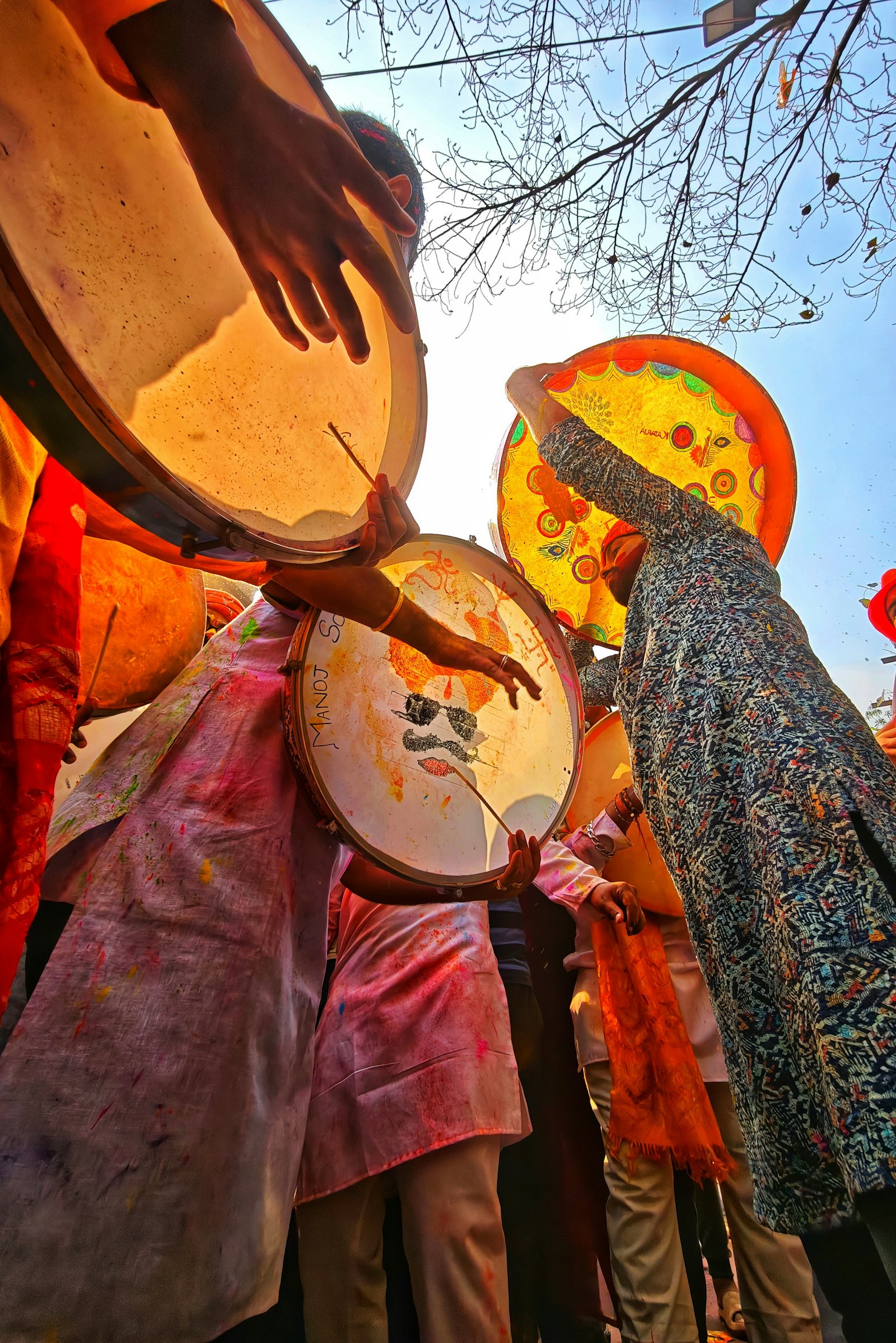
There is a unique magic that happens when a group of people, many of whom may have never met, sit in a circle and find a collective heartbeat. Whether it is the sharp slap of a djembe or the deep, grounding thrum of a dunun, the rhythm has a way of bridging gaps and building community instantly.
However, a truly transformative experience doesn't happen by accident. Effective drum circle planning is the foundation upon which these musical moments are built. As the organizer, your role is to create a safe, inviting space where creativity can flourish. This guide will walk you through every step of the process, from logistical preparation to the nuances of rhythmic facilitation.
1. Defining Your Vision and Purpose
Before you pick up a single mallet, you must define the 'why' behind your gathering. Drum circles generally fall into three categories, and knowing which one you are planning will dictate your logistics:
- Community/Free-Form Circles: These are often held in public parks or at full-moon gatherings. They are less structured, focusing on organic play and social connection.
- Facilitated Drum Circles: A trained facilitator guides the group through specific rhythms, games, and call-and-response patterns. This is ideal for corporate team building or educational settings.
- Spirit-Based or Healing Circles: These focus on the therapeutic benefits of drumming, often incorporating meditation, frame drums, and a slower, more intentional pace.
Deciding if your event is a family-friendly afternoon or a late-night high-energy jam will help you market the event correctly and set expectations for volume and etiquette.
2. Choosing the Perfect Venue
Location is everything in drum circle planning. You need a space that accommodates the physical size of the circle while respecting the surrounding environment.
- Outdoor Spaces: Parks and beaches are classic choices. However, always check local ordinances regarding amplified sound or percussion. Ensure there is a backup plan for rain.
- Indoor Spaces: Community centers, yoga studios, and church halls are excellent options. Look for rooms with wooden floors, which offer better acoustics than carpet, but be mindful of echo in large, empty halls.
- Accessibility: Ensure the venue is accessible to people of all ages and abilities. A truly inclusive circle should be welcoming to those with mobility aids.
If you aren't sure where to host, looking at existing local drum circles can give you an idea of which venues in your area are rhythm-friendly.
3. Curating the Instrument Inventory
While many participants will bring their own gear, a well-planned circle provides a "community pot" of instruments. Aim for a variety of sounds to create a full sonic spectrum:
- Low End (The Heartbeat): Large djembes, congas, or a set of dununs (the bass drums of West Africa) provide the grounding pulse.
- Mid-Range: Doumbeks, ashikos, and smaller frame drums add melodic texture.
- High End (The Sparkle): This is where "small percussion" shines. Provide plenty of shakers, cowbells, woodblocks, and tambourines. These are perfect for beginners who might feel intimidated by a large drum.
Providing chairs without arms is also a crucial part of your equipment list, as armrests often interfere with proper drumming technique.
4. Logistics and Setup
On the day of the event, your setup will dictate the flow of energy. Arrange chairs in a concentric circle rather than rows. This ensures that every participant can see everyone else, fostering a sense of equality.
- The Center: Keep the middle of the circle clear, or place a few small percussion items there for people to swap out. Some organizers place an altar or flowers in the center to provide a focal point.
- Sign-In Station: Have a clear entry point where you can collect donations (if applicable), hand out earplugs, and offer a quick orientation on how to handle the instruments.
- Acoustics: If the room is too "live," you can dampen the sound by placing rugs under the bass drums.
5. Facilitation and Flow
A great facilitator is like a chef—they know when to add more spice and when to let the flavors simmer. If you are leading the circle, start with a simple "pulse" that everyone can lock into.
Use call-and-response patterns to engage the group. For example, play a four-beat rhythm on your djembe and have the group play it back. This builds confidence and listening skills. As the energy peaks, look for natural stopping points. Silence is just as important as the sound; it allows the vibration to settle and gives participants a moment to breathe.
If you feel you need more training in this area, connecting with experienced drum teachers or attending specialized rhythm events can help you hone your leadership style.
6. Promoting Your Drum Circle
Your drum circle planning isn't complete until people know about it. Use a mix of digital and physical promotion:
- Social Media: Create an event page and share videos of drumming to set the mood.
- Local Flyering: Place posters in music shops, health food stores, and community boards.
- Niche Directories: Listing your event on the Drum Circle Directory ensures that the local drumming community can find you easily.
Be clear in your messaging: Is it beginner-friendly? Do people need to bring their own drums? Is there a cost? Transparency helps build trust with your future community.
7. Safety, Etiquette, and Inclusion
Set the tone early by mentioning basic etiquette. Remind participants to remove rings and watches to protect the drum heads (and their hands). Encourage people to "listen more than they play" to ensure the circle doesn't become a chaotic wall of noise.
Inclusion is the heart of drumming. Ensure your circle is a safe space for all genders, races, and skill levels. If you notice one person dominating the volume, use your facilitation skills to bring the group's volume down, naturally encouraging the loud player to blend back in.
After the event, gather feedback. Did people enjoy the venue? Was the timing right? Use this information to improve your next gathering. Many successful organizers even transition their local circles into larger drumming retreats once they have a dedicated core group.
Find a drum circle near you by visiting our global map at /drum-circles.
Frequently asked
- What is the best time of day for a drum circle?
- The best time depends on your target audience. Family-friendly circles thrive on weekend afternoons (around 2:00 PM), while more meditative or high-energy community circles often find success in the early evening (6:00 PM - 8:00 PM) to allow people to join after work.
- Do I need to be a professional drummer to plan a circle?
- Not at all. While musical knowledge helps, drum circle planning is more about community organization and space-holding. Many successful hosts are enthusiasts who simply want to bring people together, often hiring a professional facilitator to handle the musical leadership.
- How many drums should I provide for a public event?
- A good rule of thumb is to have enough instruments for about 50% of your expected attendance. Many regulars will bring their own djembe or conga, but having a 'community basket' of shakers and a few loaner drums ensures that spontaneous newcomers can always participate.
Find a drum circle near you
Browse hundreds of circles, teachers and rhythm community gatherings.
Explore drum circles