Drum Circle Pune: Your Guide to the City's Rhythmic
Discover the vibrant pulse of Pune's rhythm scene, from community djembe circles to corporate wellness workshops in the Oxford of the East.
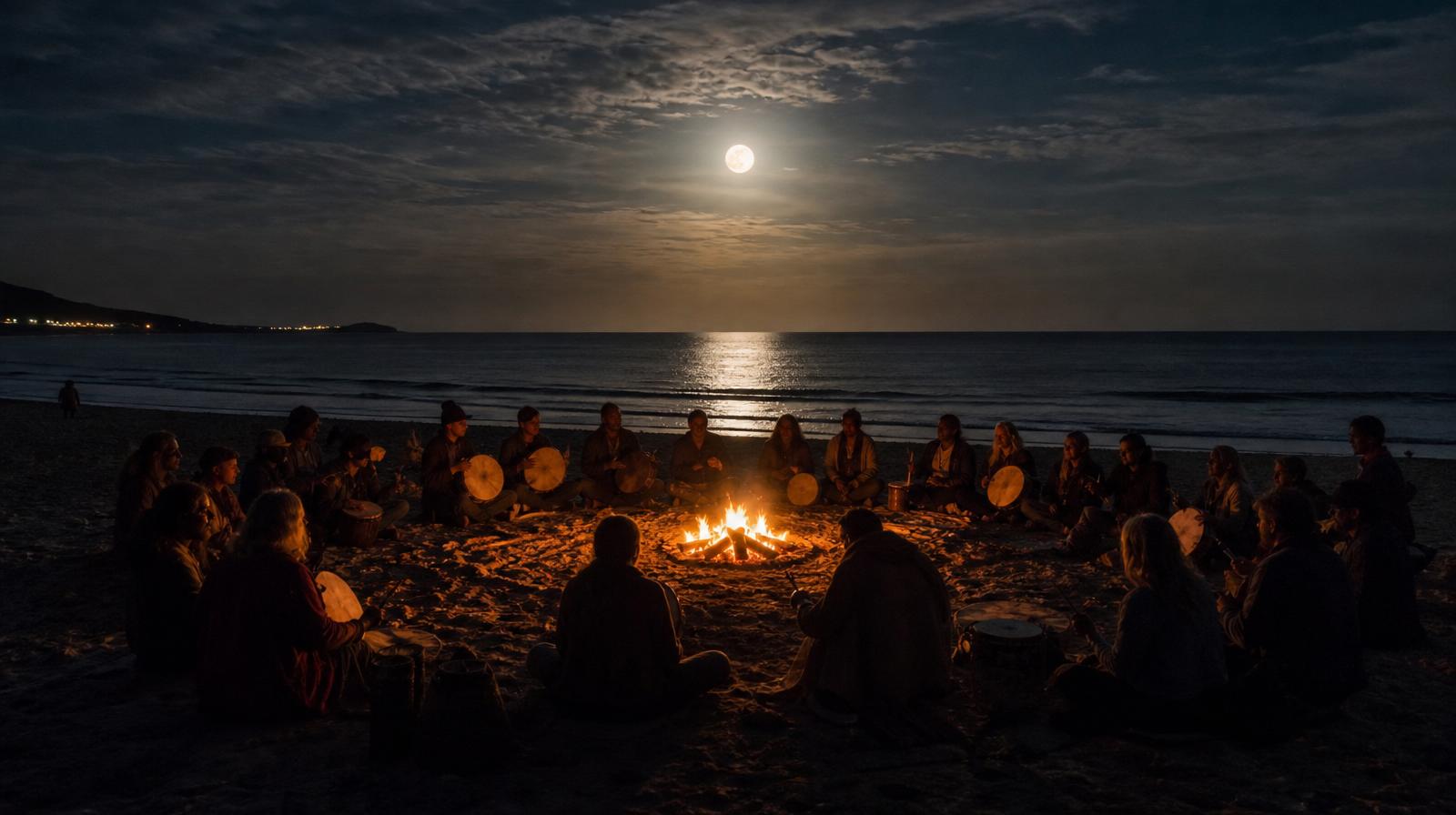
Pune has always been a city that beats to its own rhythm. Known as the 'Oxford of the East' for its academic prowess and the cultural capital of Maharashtra, it is no surprise that the community drumming movement has found a fertile home here. Whether you are walking through the lush lanes of Koregaon Park or attending a corporate offsite in Hinjewadi, the resonant sound of the djembe and the steady pulse of the dunun are becoming synonymous with the city’s spirit of togetherness.
A drum circle in Pune is more than just a musical performance; it is a democratic space where barriers of age, profession, and musical skill dissolve. In this guide, we explore why Pune has become a hub for rhythm enthusiasts and how you can find your place in the circle.
The Rise of Community Drumming in Pune
Over the last decade, Pune has transitioned from traditional percussion roots—deeply embedded in the Dhol Tasha troupes of Ganesh Chaturthi—to a more global, inclusive drumming culture. While the Dhol Tasha remains a proud heritage, the modern drum circle focuses on spontaneous creation and community wellness.
Facilitators across the city have pioneered workshops that use rhythm as a tool for stress relief and social bonding. Unlike a formal concert, a drum circle in Pune invites you to be the performer. You don't need years of training; you just need a heartbeat and a willingness to participate.
Where to Find a Drum Circle in Pune
Pune offers a variety of settings for rhythm gatherings, ranging from public parks to private studios. Here are the most common spots where the beats drop:
- Koregaon Park & Kalyani Nagar: Often the heart of the city’s creative scene, many cafes and wellness centers here host weekend djembe circles.
- Public Parks: Occasionally, groups gather at Chittaranjan Vatika or Empress Garden for open-air sessions, though it is always best to check with local facilitators regarding permits.
- Cultural Hubs: Spaces like Gyaan Adab or various art galleries in Kothrud frequently organize rhythm-based events that combine poetry, art, and drumming.
If you are looking for a scheduled gathering, you can browse our events page to see upcoming sessions in the Maharashtra region.
Popular Instruments in Pune Circles
While you might see a wide array of percussion, a few instruments dominate the Pune scene:
- The Djembe: This West African goblet drum is the king of the circle. Its versatility in producing bass, tone, and slap sounds makes it perfect for beginners.
- The Doumbek: Often found in circles influenced by Middle Eastern rhythms, adding a crisp, metallic texture to the mix.
- Frame Drums: Lightweight and ancient, these are favorites for those focusing on meditative or therapeutic drumming.
- Dunun: These large cylindrical drums provide the 'heartbeat' or the low-end foundation that keeps the circle steady.
- Small Percussion: Shakers, bells, and woodblocks are always available for those who want to contribute to the groove without a large drum.
Corporate and Wellness Drumming
With Pune being a major IT and manufacturing hub, many organizations are turning to drum circles for team building. Companies in Magarpatta and Hinjewadi use rhythm to break down corporate silos. In these settings, the facilitator uses call-and-response techniques to improve communication and morale.
Beyond the office, the wellness benefits are significant. Rhythmic entrainment has been shown to reduce cortisol levels, making these circles a popular weekend escape for stressed professionals seeking a mental reset.
Finding Teachers and Schools
If the bug bites you and you want to move beyond the basic 'boom-chack' of a community circle, Pune has excellent resources for learning. There are dedicated instructors who specialize in West African Mandingue traditions or Latin percussion like congas and bongos.
For those looking to deepen their practice, exploring drum teachers in the city can help you transition from a casual participant to a confident lead drummer. Many drum schools in Pune also offer certification for those who wish to become facilitators themselves.
Etiquette for New Drummers
If it’s your first time joining a drum circle in Pune, keep these simple tips in mind:
- Listen as much as you play: The best circles happen when everyone leaves space for others.
- Follow the facilitator: If a facilitator is leading, they will use hand signals to start, stop, or change the volume.
- Ask before playing someone's drum: Instruments are often personal; always ask for permission before trying out a drum that isn't yours.
- Support the heartbeat: Don't feel the need to play fast. A steady, simple beat is more valuable than a complex one that goes off-tempo.
The Future of Rhythm in the City
As Pune continues to grow, the rhythm community is expanding into the outskirts, with drumming retreats becoming a popular getaway in nearby Mulshi or Lonavala. These retreats offer a deeper immersion into the lifestyle, combining yoga, nature, and communal drumming.
Whether you are a student, a techie, or a retiree, the drum circle in Pune welcomes you. It is a place to find your tribe, release your stress, and celebrate the universal language of rhythm.
Find a drum circle near you today.
Frequently asked
- Do I need to own a drum to join a drum circle in Pune?
- No, most organized drum circles in Pune provide instruments for participants. Facilitators usually bring a large collection of djembes and shakers, though you are always welcome to bring your own if you have one.
- Are Pune drum circles suitable for children?
- Yes, the majority of community drum circles in Pune are family-friendly. Drumming is a fantastic way for children to develop coordination and social skills in a non-competitive environment.
- How much does it typically cost to attend a session?
- Prices vary depending on the venue and facilitator. Open community circles might ask for a small contribution (₹300 - ₹500) to cover instrument maintenance, while specialized workshops or corporate events will have higher registration fees.
- Can I join a circle if I have no musical experience?
- Absolutely. The philosophy of a drum circle is that everyone has a rhythm. Facilitators are trained to guide absolute beginners so they can contribute to the group sound within minutes.
Find a drum circle near you
Browse hundreds of circles, teachers and rhythm community gatherings.
Explore drum circles