
Mastering Drum Circle Rhythms: A Guide to Rhythms and
Unlock the heartbeat of the community with our deep dive into essential drum circle rhythms, from foundational pulses to complex polyrhythms.
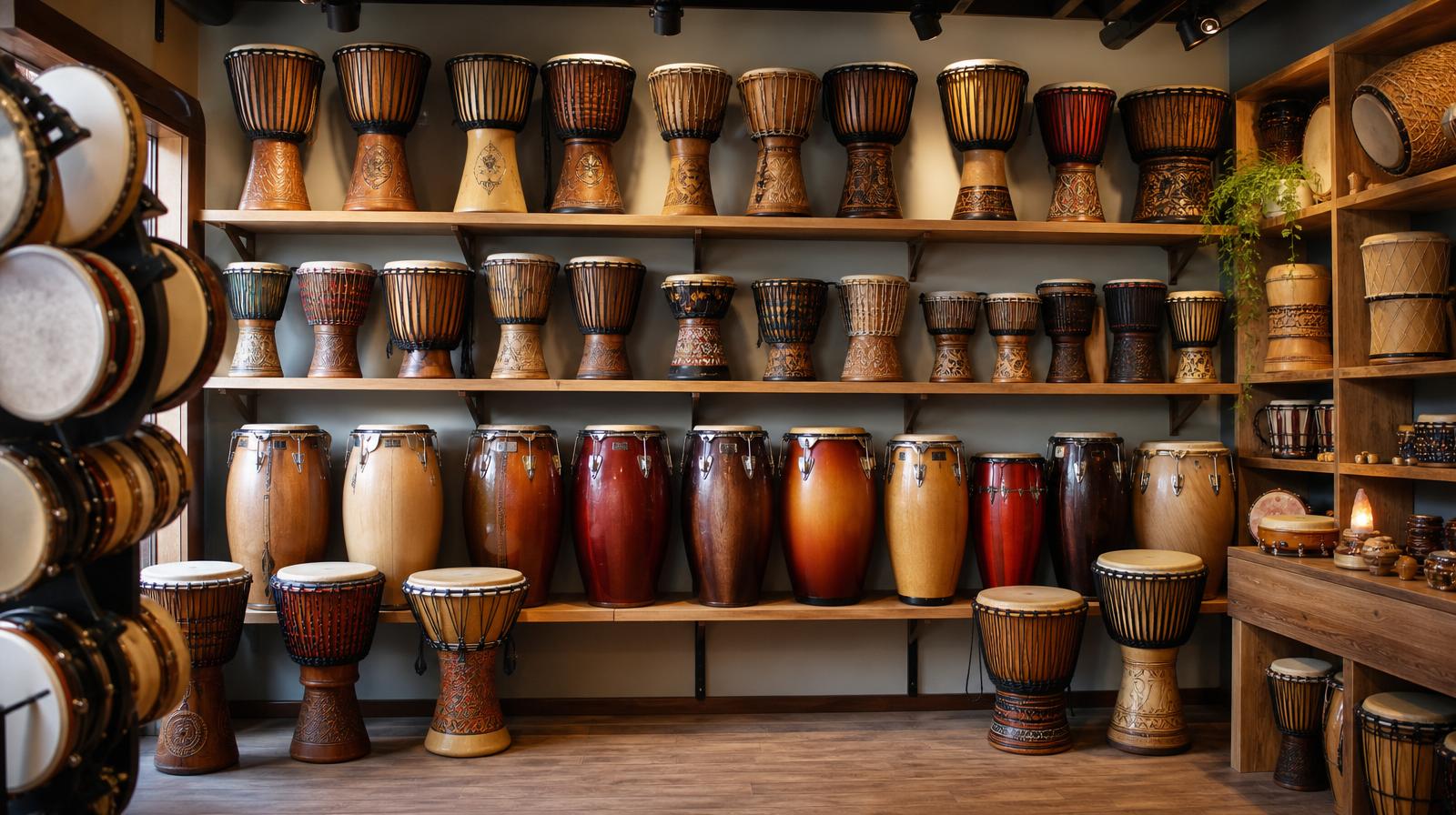
There is a unique magic that happens when a group of people, many of whom may be strangers, sit together in a circle and find a collective heartbeat. This is the essence of the drum circle. Whether you are holding a djembe, a conga, or a simple frame drum, the rhythms you play are the threads that weave the community together.
For many beginners, the first time stepping into a circle can feel intimidating. You see the seasoned facilitators maintaining a steady pulse and hear the intricate layers of sound. But at its core, drum circle rhythms are built on simple foundations that anyone can learn. In this guide, we will explore the essential patterns that keep the energy flowing and how you can contribute to the groove.
The Foundation: The Heartbeat and the Pulse
Every great drum circle rhythm starts with a steady pulse. This is often referred to as the "Heartbeat." It is typically a simple, low-toned beat played on the beat (1, 2, 3, 4). If you are ever lost in a complex polyrhythm, returning to the heartbeat is the best way to ground yourself.
- The Downbeat: The primary emphasis on the count of one.
- The Pulse: A consistent quarter-note rhythm that acts as the anchor for the group.
- The Bass Note: Played in the center of the drum (djembe or conga) to provide that deep, resonant foundation.
If you find yourself struggling to keep up, look for a leader or a drum teacher who can help you lock into this fundamental rhythm. Once you feel the pulse in your body, the rest of the rhythm will follow naturally.
Essential Djembe Rhythms for Beginners
The djembe is perhaps the most iconic instrument in modern drum circles. Its versatility allows for deep bass notes, mid-range tones, and sharp slaps. Here are a few foundational patterns to practice:
The 4/4 Basic Groove
A standard four-beat cycle that works in almost any setting. The pattern is usually: Bass-Tone-Tone-Bass-Tone-Tone. This creates a rocking motion that invites others to join in.
The Kuku Rhythm
Originally an West African social dance rhythm, Kuku has become a staple in Western drum circles. It is upbeat, infectious, and easy to layer. It focuses on the interplay between the bass and the tones, creating a driving energy that is perfect for community events.
Understanding Polyrhythms and Layering
What makes a drum circle sound rich and textured is the use of polyrhythms—multiple different rhythms played at the same time that fit together like a puzzle. In a well-balanced circle, not everyone should be playing the same thing.
Imagine the rhythm as a house. The bass drums (like the dunun or large congas) are the foundation. The mid-range drums (djembes and doumbeks) are the walls. The small percussion (shakers, bells, and woodblocks) are the windows and decorations.
When you enter a circle, listen first. Find a "hole" in the sound—a space where no one else is playing—and try to place your notes there. This creates a conversational feel between the instruments.
The Role of Call-and-Response
One of the most exciting moments in a drum circle is the call-and-response. This is a rhythmic conversation where a leader (often the facilitator) plays a specific phrase, and the rest of the group answers with a predetermined pattern or by mimicking the leader's phrase.
This practice stems from deep-rooted African and Afro-Cuban traditions. It builds focus and forces participants to move from "playing at" each other to "playing with" each other. If you want to dive deeper into these traditional structures, attending specialized drum schools can provide the cultural context and technical skill needed to lead these calls yourself.
Etiquette and Listening in the Circle
While knowing the rhythms is important, the "how" of playing is just as vital as the "what." A drum circle is a collaborative environment, not a solo performance.
- Keep the volume balanced: If you can’t hear the person next to you, you might be playing too loud.
- Support the groove: Avoid playing flashy solos unless the facilitator invites you to do so.
- Follow the facilitator: They are there to manage the energy, start and stop the rhythms, and ensure everyone is included.
If you are looking to immerse yourself fully in the culture of drumming without the distractions of daily life, consider looking into drumming retreats. These provide a focused environment to practice etiquette and complex rhythms alongside experienced players.
Using Small Percussion to Enhance the Groove
Don't underestimate the power of a shaker, a tambourine, or a cowbell. These instruments often hold the "key" to the rhythm (known as the Clave in Latin music). A steady shaker part can provide a high-frequency shimmer that glues the heavy bass of the drums together.
If your hands get tired from drumming, switching to a bell or shaker is a great way to stay involved in the drum circle rhythms without straining your muscles. It also teaches you the importance of the "off-beat," which adds swing and life to the circle.
Conclusion
Mastering drum circle rhythms is a lifelong journey. It starts with a single beat and grows into a deep understanding of timing, listening, and community. Whether you are playing a traditional West African rhythm or a contemporary improvised groove, the goal is always the same: to connect.
Ready to put these rhythms into practice? Find a drum circle near you and join the beat.
Frequently asked
- What is the easiest rhythm for a beginner to play in a drum circle?
- The easiest rhythm is the 'Heartbeat' pulse. Simply play a steady bass note on every beat (1, 2, 3, 4). This provides a solid foundation for others and helps you stay in sync with the group while you get comfortable with your instrument.
- Do I need to know how to read music to participate?
- No, most drum circles are based on oral tradition and improvisation. You learn by listening, watching others, and feeling the vibration. Facilitators often use 'word-rhythms' (mnemonic phrases) to help you remember specific patterns without needing sheet music.
- What drum is best for learning drum circle rhythms?
- The djembe is the most popular choice because it offers three distinct sounds (bass, tone, slap) and is easy to transport. However, frame drums and congas are also excellent choices for beginners due to their intuitive playing styles.
Find a drum circle near you
Browse hundreds of circles, teachers and rhythm community gatherings.
Explore drum circles