
Essential Drum Circle Rules: A Guide to Etiquette and
Mastering the unspoken language of the rhythm circle ensures a welcoming experience for everyone. Learn the essential drum circle rules to play with confidence and respect.
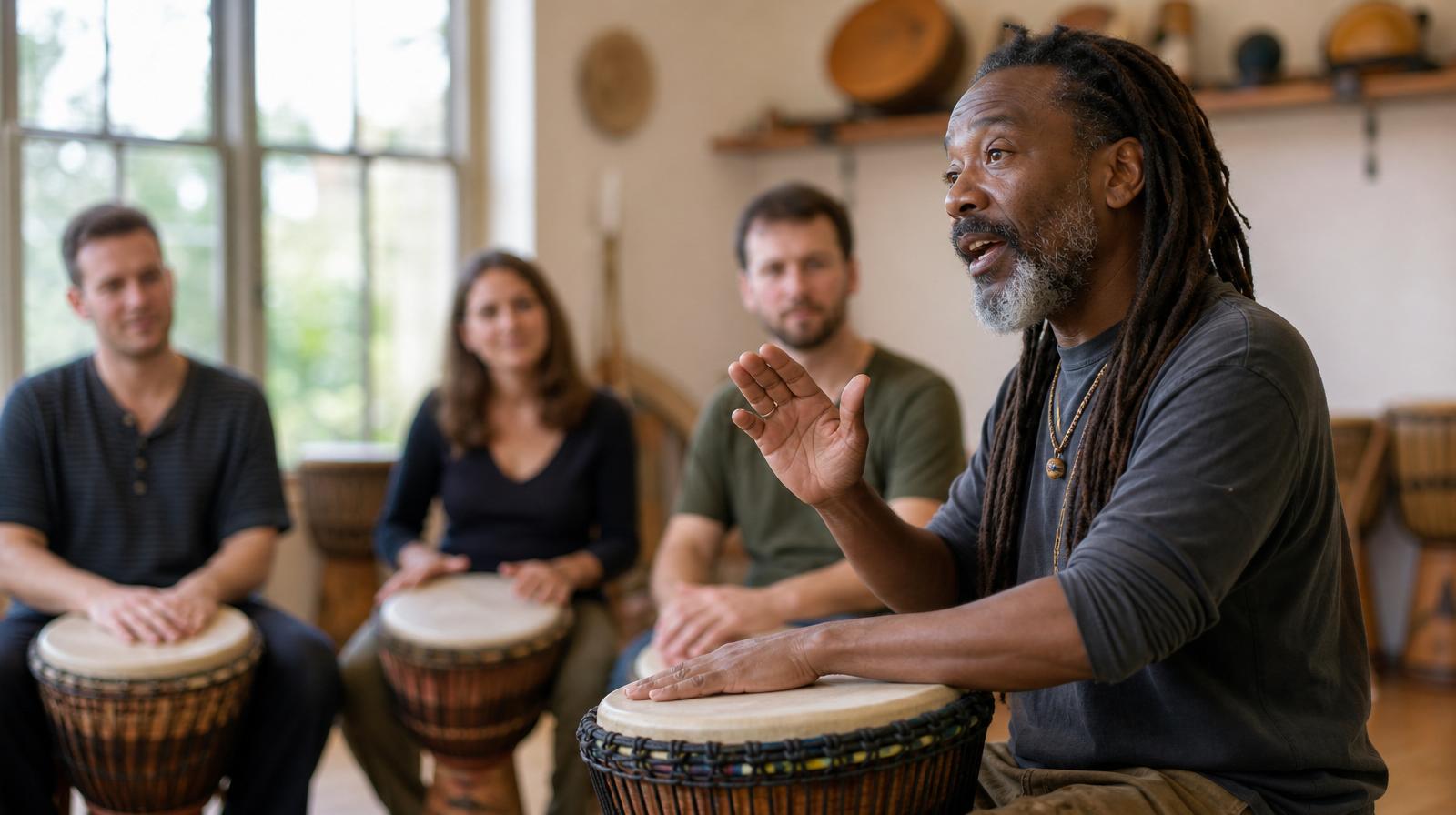
Walking into a drum circle for the first time can feel like stepping onto a different planet. The air is thick with the scent of sage or woodsmoke, the ground vibrates beneath your feet, and the polyrhythms of djembes, congas, and dununs create a wall of sound that is both exhilarating and intimidating. While these gatherings are often spontaneous and free-form, they are held together by a set of unwritten expectations. Understanding these drum circle rules is the key to moving from a nervous observer to a valued contributor to the groove.
At its heart, a drum circle is not a performance; it is a community conversation. Just as you wouldn't walk into a dinner party and start shouting over everyone else, you shouldn't enter a circle and play without first listening to the collective voice. Whether you are attending a full-moon gathering on a beach or a structured workshop led by professional drum teachers, these guidelines will help you navigate the rhythm with grace.
1. Listen First, Play Second
The most important of all drum circle rules is to listen. Before your hands even touch the drumhead, take a moment to absorb the pulse. What is the heartbeat of the circle? Is it a fast, driving 4/4 time, or a swinging, triplet-based 6/8 rhythm?
By listening first, you avoid the common beginner mistake of playing "against" the group. Start by finding the pulse with your feet or a subtle head nod. Once the rhythm is in your body, enter softly. You don't need to play a complex pattern immediately. A simple steady beat that reinforces the foundation is often more appreciated than a flashy lick that disrupts the flow.
2. Respect the Instruments
Instruments are more than just wood and skin; for many drummers, they are sacred tools or expensive investments. Never pick up someone else's drum without asking permission first. This is a fundamental rule of drum circle etiquette.
If you are borrowing a drum provided by the facilitator, treat it with care. Remove rings, watches, and bracelets before playing, as metal jewelry can easily scratch the wood or tear a delicate goatskin head on a djembe or an animal-hide frame drum. If you are looking to purchase your own gear, many drum schools offer advice on selecting the right instrument for your needs.
3. Support the Pulse, Don't Overpower It
A drum circle is a collective organism. If everyone tries to be the loudest person in the room, the music loses its nuance and becomes a chaotic noise.
- Volume Control: Pay attention to the overall volume. If you can't hear the person sitting next to you, the group is likely too loud.
- The Center Space: Leave room for the "middle" of the sound. If you are playing a large, deep-toned dunun or a low-tuned conga, your role is to provide the floor. If you are playing a high-pitched shaker or a bell, you are the "ceiling."
- The Soloist: Occasionally, a facilitator or an experienced player will step into the center to solo. When this happens, the rest of the circle should drop their volume slightly to create a platform for that person to shine.
4. Follow the Facilitator
Many community circles are led by a facilitator. Their job is to start and stop rhythms, manage the energy, and ensure everyone feels included. They may use hand signals to indicate a "sculpt" (where certain instruments stop playing) or a "crescendo" (where everyone gets louder).
If a facilitator holds up their hands in a "V" shape or makes a cutting motion across their throat, it usually means a "stop" is coming. Pay close attention to these cues. Ending a song together is one of the most satisfying parts of the drumming experience.
5. Embrace the Spirit of Inclusion
Drum circles are meant to be safe spaces for people of all skill levels. If you see a newcomer looking lost, give them a warm smile or offer them a simple shaker to help them find the beat.
- No Judgment: Everyone was a beginner once. Avoid giving unsolicited advice unless someone looks like they are physically hurting themselves or specifically asks for help.
- Body Language: Keep your body language open. If there is a physical circle, try to stay in the line rather than hovering behind others. This keeps the energy contained and communal.
- Family-Friendly Vibes: Many local circles are family-friendly. Be mindful of your language and behavior if children are present, as these gatherings are often their first introduction to the world of music.
6. Know When to Stop
Technically, a drum circle could go on forever, but every rhythm eventually reaches a natural conclusion. If you feel the energy of the group waning, or if the facilitator is signaling for a close, don't be the person who keeps playing for thirty seconds after everyone else has stopped. The silence following a powerful drum piece is just as important as the music itself—it allows the group to breathe and integrate the experience.
If you find yourself craving more intensive, long-form drumming, you might consider looking into drumming retreats where you can dive deep into specific traditions like West African or Afro-Cuban rhythms in a more focused setting.
Finding Your Rhythm
At the end of the day, drum circle rules exist to facilitate freedom, not to restrict it. By following these simple guidelines of listening, respect, and community awareness, you contribute to an environment where everyone can lose themselves in the beat.
Whether you are playing a doumbek in a dimly lit cafe or a djembe in a sun-drenched park, the goal is the same: connection. The more you play, the more you will understand the subtle nuances of the circle.
Ready to find your tribe and put these rules into practice?
Find a drum circle near you.
Frequently asked
- Do I need to bring my own drum to a circle?
- It depends on the event. Many community circles provide a 'drum community' basket with extra shakers, bells, and drums for newcomers, while others expect you to bring your own. Always check the event description on the Drum Circle Directory or contact the organizer beforehand.
- What should I do if I lose the beat?
- Don't panic! Simply stop playing, take a deep breath, and listen to the bass drum or the facilitator's pulse. You can tap your foot or clap softly until you feel the rhythm again, then gently re-enter with a simple pattern.
- Is it okay to dance in the middle of a drum circle?
- In most circles, dancing in the center is highly encouraged as it feeds energy back to the drummers. However, always be mindful of the space and ensure you aren't blocking the view or physical movement of the players.
Find a drum circle near you
Browse hundreds of circles, teachers and rhythm community gatherings.
Explore drum circles