Rhythm and Connection: The Ultimate Guide to Drum Circles
Discover how rhythm-based programs transform senior living through social connection, cognitive stimulation, and the pure joy of making music together.
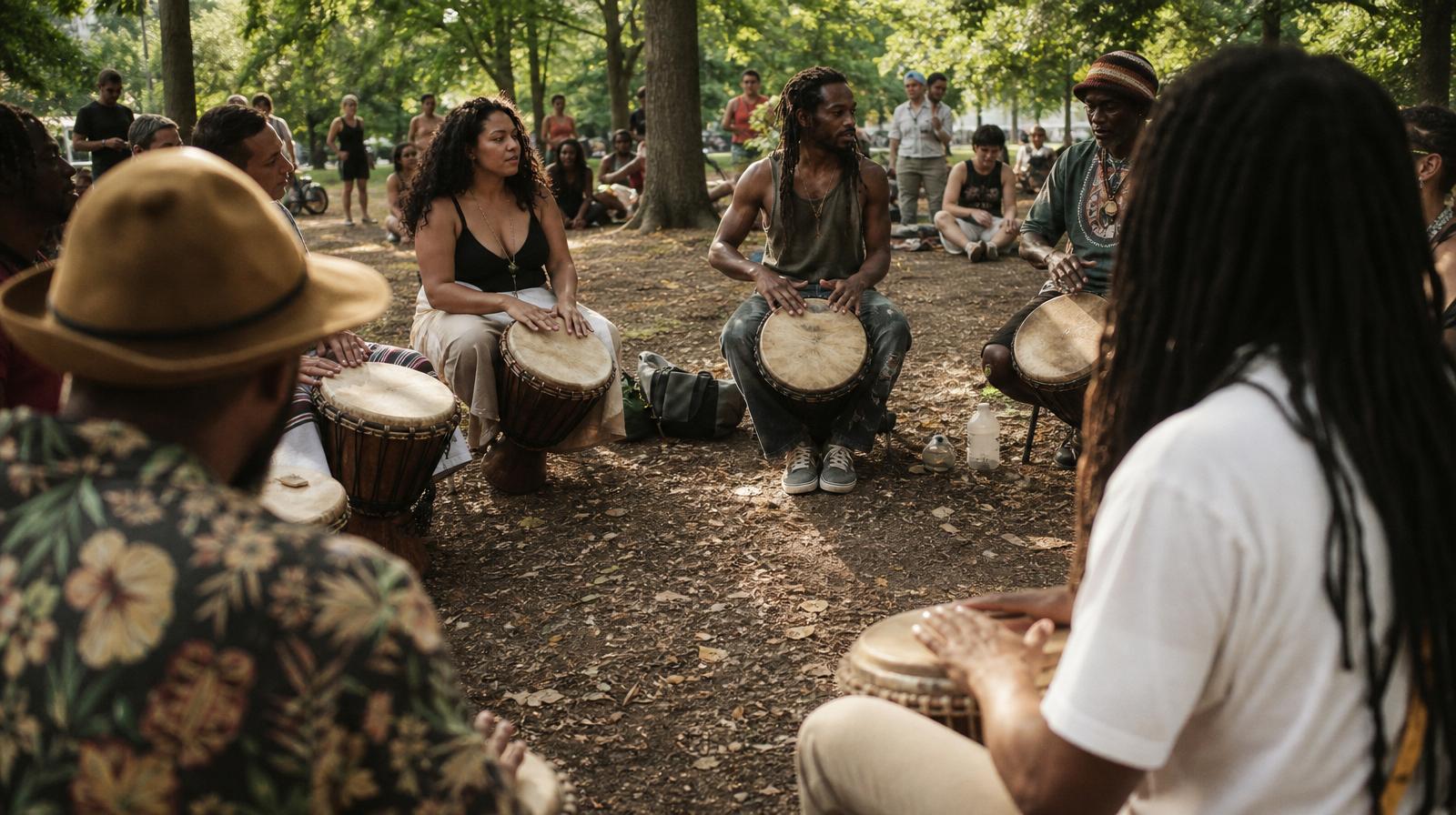
There is something inherently magical about the sound of a drum. It is the first sound we hear in the womb—the steady, rhythmic beat of a heart. For older adults, re-engaging with this primal pulse through a drum circle for senior centers is more than just a musical activity; it is a gateway to improved health, social rejuvenation, and cognitive vitality.
In senior living communities, memory care units, and assisted living facilities, drumming has emerged as a powerful tool for wellness. Unlike traditional music performance, which can feel intimidating, a community drum circle is inclusive, accessible, and requires no prior musical training. Whether a participant is tapping a djembe from a wheelchair or keeping time with a shaker, they are contributing to a collective voice.
The Holistic Benefits of Drumming for Seniors
The impact of rhythm on the aging body and mind is backed by growing scientific research. When we drum in a group, we aren't just making noise; we are engaging in a complex neurological and physical workout.
Cognitive Health and Memory
Drumming requires the use of both hemispheres of the brain. Following a facilitator’s call-and-response pattern or maintaining a steady beat helps strengthen neural pathways. For those living with dementia or Alzheimer’s, familiar rhythms can often unlock memories and facilitate communication when verbal language becomes difficult.
Physical Wellness and Dexterity
Playing instruments like the conga or the frame drum encourages fine and gross motor skills. The act of reaching for the drum head, alternating hands, and controlling the volume of a strike provides gentle exercise that improves circulation and hand-eye coordination without the strain of high-impact activities.
Emotional and Social Connection
Isolation is one of the greatest challenges facing the elderly. A drum circle breaks down social barriers. It creates a space where everyone is equal, and every contribution is valued. The release of endorphins during a group rhythm session naturally reduces stress and elevates mood, leaving participants feeling energized and seen.
Choosing the Right Instruments for Older Adults
When organizing a drum circle for senior centers, instrument selection is key to ensuring everyone can participate comfortably. You want tools that are lightweight, easy to hold, and produce a pleasing sound without requiring excessive force.
- Djembe (Synthetic): Traditional wooden djembes can be heavy. Synthetic versions with pre-tuned heads are lightweight and easy to move. They offer a deep bass and a sharp slap that is easy for seniors to produce.
- Frame Drums: These are excellent for those with limited mobility. A frame drum can be held in one hand or rested on the lap, played with the fingers or a soft mallet.
- Paddle Drums: Often used in therapeutic settings, these look like colorful lollipops and are very easy to grip.
- Hand Percussion: Not everyone wants to play a large drum. Shakers, maracas, and tambourines allow participants to add texture to the rhythm with minimal physical effort.
- Buffalo Drums: These large, flat drums produce a deep, grounding vibration that can be felt in the body, which is particularly soothing for residents.
Structuring a Successful Senior Rhythm Session
A drum circle for senior centers differs from a late-night festival jam. It requires a thoughtful, facilitated approach to ensure the environment remains supportive and not overwhelming.
1. The Warm-Up
Start with gentle movements. Encourage participants to rub their hands together to create heat, stretch their fingers, and take deep breaths. Begin with a simple pulse—the "heartbeat" rhythm—to ground the room.
2. Guided Exploration
Instead of jumping into complex polyrhythms, use call-and-response. The facilitator plays a simple four-beat pattern on a djembe, and the group mimics it back. This builds confidence and ensures everyone is listening to one another.
3. Incorporating Song and Story
Many seniors have a deep connection to the music of their youth. Integrating familiar songs or using the drums to punctuate a shared story can make the session more meaningful. If you are a professional looking to hone these skills, you might consider connecting with experienced drum teachers who specialize in therapeutic applications.
4. The Gentle Fade
Avoid abrupt endings. Gradually lower the volume (decrescendo) and end with a few moments of silence to allow the vibration to settle. This transition helps participants remain in a calm, regulated state.
Tips for Facilitators and Activities Directors
If you are a staff member at a senior center, you don't need to be a master percussionist to start a rhythm program, but a little preparation goes a long way.
- Watch the Volume: Sensory overload can be an issue. Use soft mallets or encourage "quiet drumming" to keep the decibel levels comfortable for those with hearing aids.
- Focus on Eye Contact: A drum circle is a conversation. Encourage participants to look at each other, smile, and acknowledge the person across the circle.
- Accessibility First: Ensure there is plenty of space for wheelchairs and walkers. The circle should be wide enough for easy entry and exit.
- Seek Professional Help: For a truly transformative experience, hire a certified rhythm facilitator. Many drum schools offer outreach programs specifically designed for elderly populations.
Creating a Sustainable Program
Consistency is vital for seeing long-term health benefits. A one-time event is fun, but a monthly or weekly drum circle becomes a highlight of the social calendar. It gives residents something to look forward to and a sense of belonging to a "band."
To expand your program, look for local events where you can see facilitators in action, or invite family members to join the circle. Family-friendly circles allow grandchildren to connect with their grandparents through the universal language of rhythm, bridging the generational gap in a way words often cannot.
Finding Resources and Professionals
If you're ready to bring the beat to your community, the first step is finding the right people and instruments. Whether you are looking for a facilitator to lead a session or a workshop to train your staff, there are resources available to help you succeed.
Find a drum circle near you to see how other communities are utilizing the power of the beat, or browse our directory to connect with professionals who specialize in senior wellness.
Frequently asked
- Do participants need prior musical experience to join a drum circle?
- Not at all. The beauty of a drum circle for senior centers is that it is 'in-the-moment' music making. There are no wrong notes, and the focus is on participation and connection rather than technical skill or performance.
- What if a resident has physical limitations or arthritis?
- Drumming is highly adaptable. Residents can use soft mallets if hitting the drum with their hands is uncomfortable, or they can use small shakers. Even tapping a foot or nodding along to the rhythm is a form of participation that offers benefits.
- How long should a senior drumming session last?
- For most senior centers, a session lasting 30 to 45 minutes is ideal. This provides enough time for a warm-up, several rhythmic exercises, and a cool-down without causing physical fatigue or overstimulation.
- Can drumming help seniors with memory loss?
- Yes, rhythm is processed in many areas of the brain, including those that remain intact longest in patients with dementia. Rhythmic cues can help trigger 'muscle memory' and provide a sense of accomplishment and clarity for those struggling with cognitive decline.
Find a drum circle near you
Browse hundreds of circles, teachers and rhythm community gatherings.
Explore drum circles