
Drum Circle South Africa: Find Your Rhythm in the Rainbow
Discover the vibrant pulse of South Africa's drumming community, from Cape Town's sunset circles to the rhythmic heartbeat of Johannesburg's urban parks.
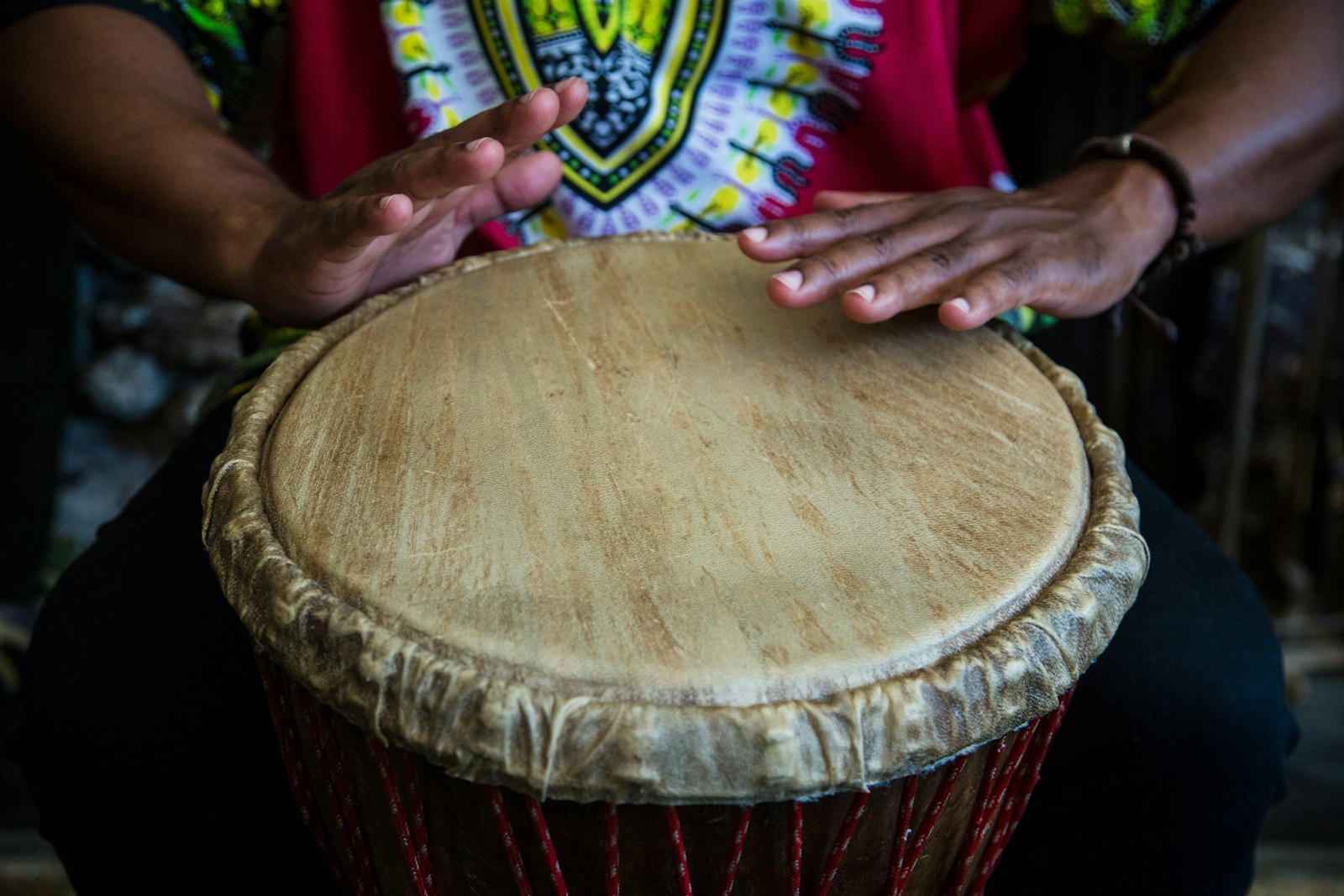
South Africa is a land defined by its rhythm. From the deep, resonant call of the cowhide-covered dunun to the sharp, crackling slap of a djembe, the pulse of the drum is woven into the very fabric of the country’s identity. Whether you are a local looking to reconnect with your roots or a traveler seeking an authentic cultural experience, finding a drum circle in South Africa offers a unique window into the soul of the Rainbow Nation.
In this guide, we explore the thriving community drumming scene across the country, the instruments you’ll encounter, and how you can join the circle.
The Spirit of Ubuntu Through the Drum
In South Africa, drumming is rarely a solo endeavor. It is rooted in the philosophy of Ubuntu—the belief that "I am because we are." When you join a drum circle in Cape Town, Johannesburg, or Durban, you aren't just hitting a drum; you are participating in a collective conversation.
These gatherings are inclusive spaces where barriers of age, race, and background dissolve. Beginners are welcomed with open arms, and the focus is always on the "heartbeat"—that steady, grounding pulse that keeps the group together. Many local drum circles emphasize this community aspect, making them perfect for families and first-timers.
Cape Town: Sunsets and Spirit
Cape Town is arguably the epicenter of the modern South African drumming scene. The city’s natural beauty provides a stunning backdrop for rhythmic gatherings. One of the most iconic experiences is the full moon drum circle, often held on the beaches or in public parks like the Mouille Point beachfront.
- The Djembe Influence: While South Africa has its own indigenous drumming traditions, the West African djembe is the primary instrument found in Cape Town circles.
- Facilitated Circles: Many events in the Mother City are led by expert facilitators who guide the group through call-and-response patterns, ensuring that even those who have never touched a drum can contribute to the groove.
- Indoor Venues: During the winter months, the rhythm moves indoors to community halls and dedicated drum schools in suburbs like Observatory and Hout Bay.
Johannesburg: The Urban Heartbeat
In the "City of Gold," the drumming scene is as high-energy as the city itself. Johannesburg’s drum circles often reflect its cosmopolitan nature, blending traditional African rhythms with contemporary urban influences.
Places like Maboneng and various botanical gardens frequently host weekend drumming sessions. These events serve as a rhythmic sanctuary from the hustle and bustle of urban life. If you're looking to sharpen your technique, you can easily find drum teachers in the Gauteng area who specialize in everything from traditional polyrhythms to modern percussion techniques.
Essential Instruments in South African Circles
While you might see a variety of percussion instruments, a few staples define the South African sound:
- The Djembe: The most popular drum for its versatility and range of sounds (bass, tone, and slap).
- Dunun (Bass Drums): These provide the melodic foundation of the rhythm, often played with sticks.
- The Ngoma: A traditional drum often used in Southern African ceremonies, bringing a deep, spiritual resonance to the circle.
- Shakers and Bells: Instruments like the shekere or simple metal bells add the "salt" to the rhythmic stew, providing high-frequency timing.
Drumming Retreats and Festivals
For those who want to dive deeper, South Africa offers incredible drumming retreats in the KwaZulu-Natal midlands, the Garden Route, and the bushveld. These retreats often combine intensive drumming workshops with nature walks, meditation, and communal living.
Additionally, keep an eye on our events calendar for annual festivals that celebrate rhythm. These gatherings often feature master drummers from across the continent, offering a rare opportunity to learn complex traditional compositions in a beautiful setting.
Beginner Etiquette for South African Circles
If you’re new to the scene, here are a few tips to help you find your flow:
- Listen First: Before you start playing, listen to the established groove for a minute. Try to find the "pulse" before adding your voice.
- Respect the Lead: If there is a facilitator, follow their signals for volume changes or stops.
- Ask Before You Borrow: If you don't have your own drum, many circles provide extras, but always ask before picking up someone else's instrument.
- Support Local Artisans: South Africa has incredible drum makers. If you fall in love with the craft, consider purchasing a locally made instrument to support the community.
Find a drum circle near you and start your rhythmic journey today.
Frequently asked
- Do I need my own drum to join a circle in South Africa?
- Not necessarily. Many organized drum circles in cities like Cape Town and Johannesburg provide drums for rent or have a 'community pot' of instruments for newcomers to use. However, as you become a regular, most practitioners recommend investing in your own djembe.
- Are drum circles in South Africa family-friendly?
- Yes, the vast majority of South African drum circles are highly inclusive and family-oriented. It is very common to see children, parents, and grandparents all drumming together, especially at public park sessions and beach gatherings.
- Where can I learn to play the djembe in South Africa?
- There are numerous drum schools and private teachers located in major hubs. Cape Town and Johannesburg have the highest concentration of instructors who offer both group classes for beginners and advanced one-on-one sessions in traditional African rhythms.
Find a drum circle near you
Browse hundreds of circles, teachers and rhythm community gatherings.
Explore drum circles