
Drum Circle Spain: A Guide to Rhythms in the Mediterranean
Discover the vibrant world of drumming in Spain, from sunset beach circles in Ibiza to traditional djembe workshops in Madrid.
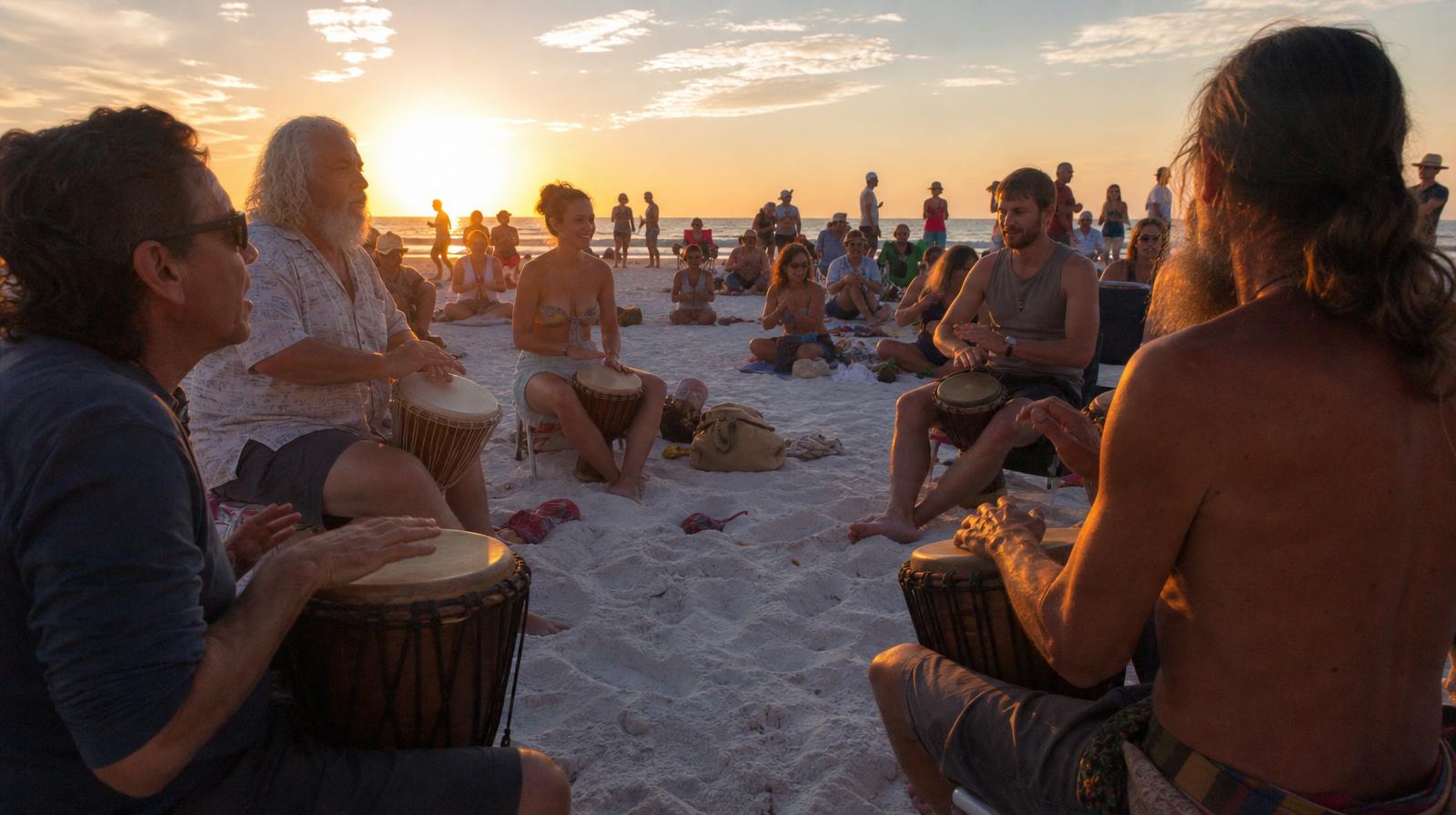
Spain is a land of inherent rhythm. From the intricate footwork of Flamenco to the thunderous drums of the Tamborada festivals in Aragon, the pulse of the percussion instrument is woven into the country's cultural DNA. In recent decades, this traditional love for rhythm has evolved into a thriving modern scene for community drumming.
Whether you are looking for a high-energy djembe jam on a Balearic beach or a meditative frame drum circle in the Andalusian mountains, finding a drum circle in Spain offers a unique way to connect with both locals and travelers. This guide explores the diverse landscapes of the Spanish drumming community.
The Spirit of the Drum Circle in Spain
In Spain, drumming is rarely a solitary activity. It is a social bridge. Unlike some more formal European drumming traditions, the Spanish approach to the drum circle is often spontaneous, welcoming, and deeply tied to the outdoors.
In cities like Barcelona and Madrid, you will find organized groups that focus on West African rhythms using the djembe and dununs. Meanwhile, in the southern regions, the influence of North African and Arabic percussion—such as the doumbek and riq—is more pronounced. These circles serve as a melting pot where traditional Spanish passion meets global rhythmic influences.
Top Destinations for Drumming in Spain
Ibiza: The Sunset Rhythms of Benirràs
Perhaps the most famous drum circle in Spain, if not the world, takes place on the beach of Cala Benirràs in Ibiza. Every Sunday, as the sun begins to dip toward the Mediterranean horizon, dozens of drummers gather to 'bring down the sun.'
This gathering is legendary for its bohemian energy. You’ll hear a mix of professional percussionists and enthusiastic amateurs playing bongos, congas, and djembes. It is a family-friendly environment, but it gets crowded, so arriving early is essential to find a spot on the sand.
Granada: Caves and Community
In the Sacromonte district of Granada, drumming takes on a more mystical tone. Known for its cave dwellings and deep Flamenco roots, this area often hosts informal gatherings where the box-shaped cajón takes center stage. The acoustics of the hills provide a natural amphitheater for late-night rhythm sessions that overlook the Alhambra.
Barcelona: Urban Beats and Parks
Barcelona is a hub for drum schools and professional facilitators. Parc de la Ciutadella is the go-to spot for weekend drummers. On any sunny afternoon, you can walk through the park and encounter small clusters of musicians practicing call-and-response patterns. It is an excellent place for beginners to observe and politely ask to join in.
Popular Instruments in Spanish Circles
While you will see a variety of percussion, certain instruments dominate the Spanish scene:
- The Djembe: The king of the circle, favored for its volume and range of tones.
- The Cajón: Originally from Peru but adopted by Spain, this wooden box is portable and versatile, making it a staple of Spanish street music.
- The Congas: Often found in the more Afro-Cuban influenced circles in coastal cities.
- Frame Drums: Gaining popularity in drumming retreats focused on mindfulness and healing.
- Handpans: Increasingly common in the more meditative circles found in the Canary Islands and the Pyrenees.
Finding a Community and Etiquette
If you are traveling through Spain with a drum, it is important to understand local etiquette. Most circles are 'open,' meaning anyone can join, but it is always polite to catch the eye of the lead drummer or facilitator before jumping in.
Many drummers in Spain are also drum teachers who offer workshops during the week. If you find a circle you love, ask the participants about local classes. It is the best way to improve your technique while supporting the local rhythm community.
Drumming Retreats and Festivals
Beyond the casual park jam, Spain hosts several world-class events dedicated to percussion. From the intensive djembe camps in the Alpujarras to the massive percussion festivals in the Basque Country, there are ample opportunities to immerse yourself for a week or more. These retreats often combine drumming with yoga, organic food, and nature hikes, providing a holistic experience for the traveling drummer.
Why Drum in Spain?
Drumming in Spain is about more than just keeping time; it is about duende—a Spanish term referring to a heightened state of emotion, expression, and authenticity. Whether you are playing under a full moon in the desert of Almería or in a community center in Valencia, the sense of connection is palpable.
Find a drum circle near you.
Frequently asked
- Where is the most famous drum circle in Spain?
- The most famous gathering is the Sunday sunset drum circle at Benirràs Beach in Ibiza. It attracts hundreds of participants and spectators who gather to celebrate the sunset with a powerful, communal rhythmic pulse.
- Can I bring my own drum to a Spanish drum circle?
- Yes, most community circles in parks and on beaches are open to the public. However, if you are attending a facilitated circle at a studio or retreat, it is best to check if they provide instruments or if you should bring your own djembe or cajón.
- Are there drumming festivals in Spain?
- Spain hosts numerous percussion festivals, ranging from traditional Tamboradas in the north to modern handpan and world music festivals in the south. Many of these events are listed in our global events directory.
Find a drum circle near you
Browse hundreds of circles, teachers and rhythm community gatherings.
Explore drum circles