Drum Circle Team Building: Unlock Team Harmony Through
Transform your corporate culture by moving from competition to collaboration with the ancient power of the drum circle.
In the modern workplace, the search for authentic connection often feels like an uphill battle. Between endless Zoom calls and siloed departments, the human element of collaboration can get lost. This is where the ancient practice of the drum circle meets the modern boardroom.
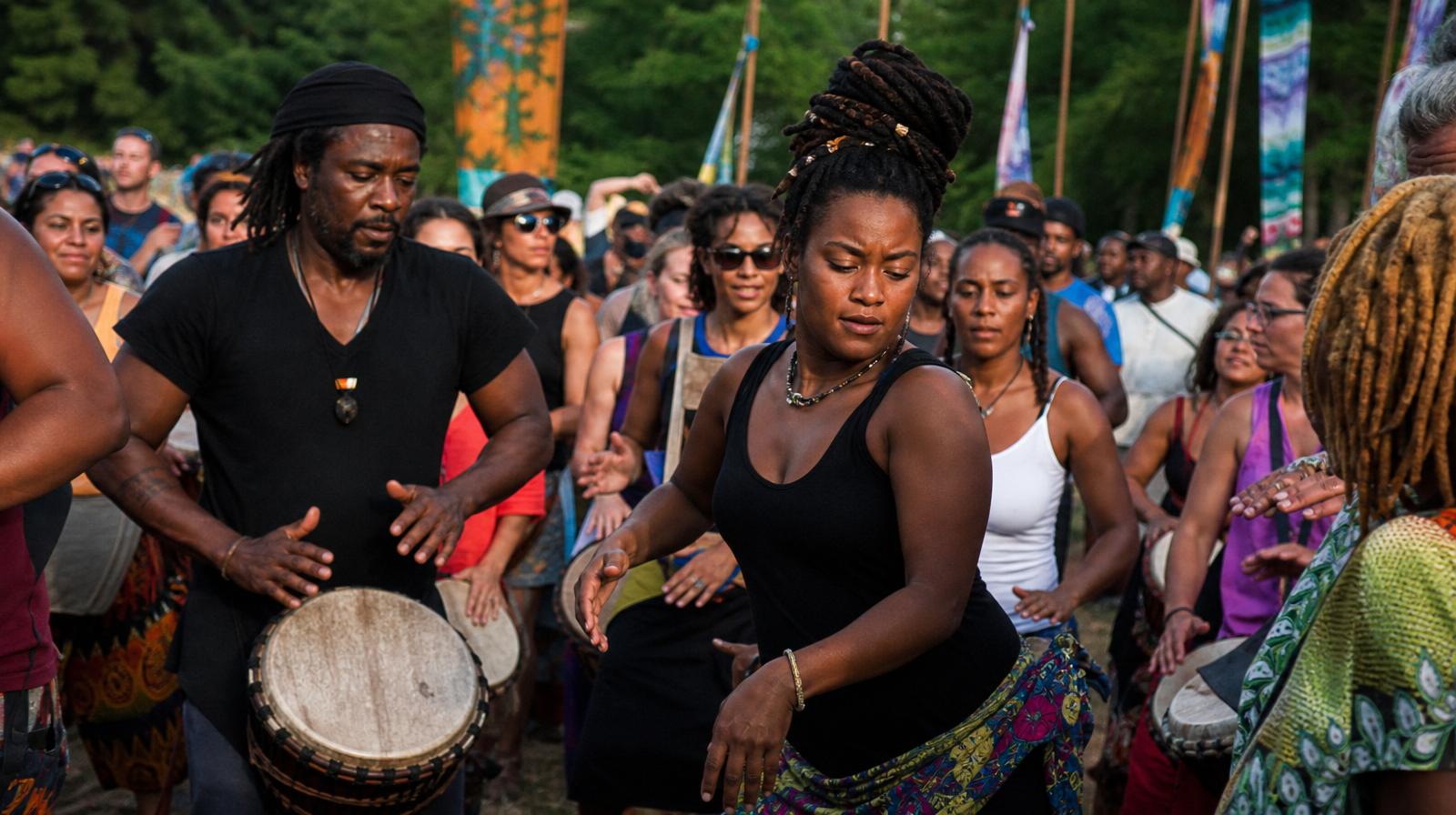
Drum circle team building isn't just about making noise; it is an experiential metaphor for how a high-functioning team operates. When a group of colleagues sits in a circle, each holding a djembe, conga, or a simple shaker, the traditional corporate hierarchy dissolves. What remains is a shared pulse and a common goal: keeping the rhythm alive.
Why Rhythm Works for Corporate Teams
Rhythm is a universal language. It doesn't require a musical background or a specific skill set. In a drum circle, the barriers of job titles and seniority disappear. The CEO might be playing a low-toned dunun while the newest intern holds the steady beat on a woodblock.
This equalizer creates a safe space for vulnerability and creative expression. Unlike traditional trust falls or PowerPoint-heavy seminars, drumming is visceral. It engages the body and the mind simultaneously, leading to what psychologists call "group flow." When your team hits that collective groove, the sense of unity is palpable and immediate.
The Role of the Facilitator in Team Building
A successful corporate rhythm event relies heavily on a skilled facilitator. These professionals are part conductor, part coach, and part mediator. They don't just teach you how to hit a drum; they guide the group through the nuances of communication.
Facilitators use specific techniques to mirror workplace dynamics:
- Call-and-Response: This exercise highlights the importance of listening and responding accurately to leadership and peer cues.
- Dynamic Control: By shifting from loud to soft, teams learn how to make space for others' voices and when to step up their own contributions.
- Soloing and Support: Facilitators may encourage individuals to take a "solo," teaching the group how to provide a solid foundation of support for a colleague's moment of innovation.
If you are looking to bring this experience to your office, you can find expert drum teachers who specialize in group facilitation to lead your next session.
Instruments That Build Connection
Variety is the secret to a rich, textured drum circle. Just as a company needs diverse skill sets, a drum circle needs diverse sounds. Common instruments used in team building include:
- Djembes: The most popular choice, offering deep bass notes and sharp slaps that are easy for beginners to learn.
- Doumbeks: Often used for intricate rhythms, these goblet drums represent precision.
- Frame Drums: These ancient instruments provide a soft, earthy tone that grounds the circle.
- Hand Percussion: Cowbells, shakers, and tambourines allow those who might feel intimidated by a large drum to contribute essential textures to the group sound.
Breaking Down Silos Through Shared Pulse
One of the biggest challenges in any organization is the "silo effect," where departments fail to communicate. In a drum circle, if the bass drums aren't listening to the shakers, the rhythm falls apart.
Participants quickly realize that for the music to sound good, they must listen more than they play. This "active listening" translates directly back to the office environment. When employees return to their desks, they carry with them the physical memory of what it feels like to be in total sync with their peers.
Planning Your Rhythm Event
When organizing a drum circle team building event, consider the setting. While many companies host these in their own conference rooms, taking the team to specialized events or even dedicated drumming retreats can amplify the impact. Removing the team from their daily environment allows for a total mental reset.
Key considerations for your event:
- Accessibility: Ensure the venue is comfortable for all physical abilities.
- Duration: Most effective team building circles last between 60 and 90 minutes.
- Follow-up: A brief debriefing session after the drumming helps connect the rhythmic experience to specific workplace goals.
The Lasting Benefits of Workplace Rhythm
The impact of a drum circle extends far beyond the final beat. Companies that integrate rhythm-based team building often report:
- Reduced Stress: Drumming releases endorphins and provides a healthy emotional outlet.
- Improved Morale: Shared success in creating music fosters a sense of belonging.
- Enhanced Creativity: Breaking out of cognitive patterns through music opens the door to innovative problem-solving.
Whether you are a small startup or a Fortune 500 company, the beat of the drum can be the catalyst for a more harmonious, productive, and connected workplace.
Find a drum circle near you to experience the power of rhythm firsthand.
Frequently asked
- Do employees need musical experience for a drum circle?
- Not at all. Drum circle team building is designed for all skill levels, especially absolute beginners. The facilitator provides simple instructions that allow everyone to contribute to the group rhythm within minutes.
- How many people can participate in a team building drum circle?
- Drum circles are incredibly scalable. They can be intimate sessions for a small executive team of 10 or massive keynote events for 1,000+ employees, depending on the number of instruments and facilitators available.
- What is the typical cost of a corporate drum circle?
- Pricing varies based on the number of participants, the location, and the duration of the event. Costs usually cover instrument rental, transportation, and the professional fees of the facilitator.
Find a drum circle near you
Browse hundreds of circles, teachers and rhythm community gatherings.
Explore drum circles