
Drum Circle Thailand: Your Guide to Rhythm in the Land of
Discover the vibrant pulse of drum circles in Thailand, from the sunset beaches of Koh Phangan to the artistic mountains of Chiang Mai.
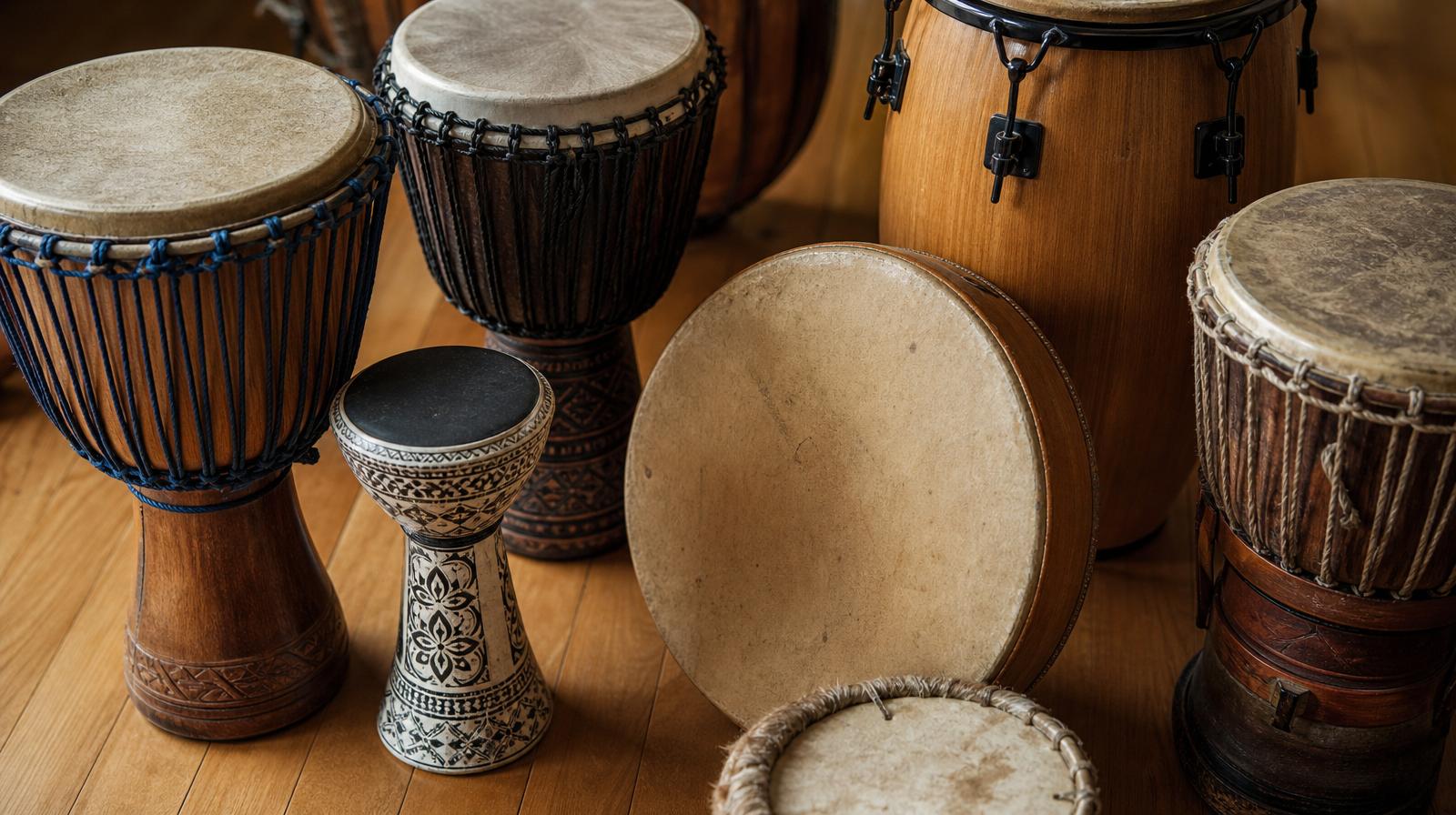
Thailand is a land of sensory wonders, known for its golden temples, spicy street food, and turquoise waters. But for the global rhythm community, there is a deeper heartbeat beneath the surface. The drum circle Thailand scene has grown into a world-class destination for percussionists, travelers, and seekers alike.
Whether you are looking to join a sunset jam on a white sand beach or participate in an intensive drumming retreat in the northern highlands, Thailand offers a unique blend of traditional Thai percussion and international djembe culture. In this guide, we explore the best spots to find your rhythm in the Land of Smiles.
The Magic of Beach Drumming in Koh Phangan
If you are searching for the quintessential drum circle Thailand experience, look no further than the island of Koh Phangan. While famous for its Full Moon Parties, the island hosts a much more soulful rhythmic community on its western shores. Places like Zen Beach in Sri Thanu have become legendary gathering spots.
Every evening as the sun begins to dip toward the horizon, drummers emerge from the palms with djembes, dununs, and frame drums. These gatherings are organic, family-friendly, and open to all skill levels. The focus here is on the 'flow state'—connecting with the elements and the collective heartbeat of the circle.
Chiang Mai: The Rhythmic Heart of the North
Moving away from the coast, Chiang Mai serves as the artistic and spiritual hub of Northern Thailand. Here, the drum circle scene is often intertwined with the city’s thriving yoga and wellness communities. You will find circles held in lush garden cafes or community centers that emphasize the meditative aspect of hand drumming.
In Chiang Mai, it is common to see a fusion of instruments. You might find a traditional Thai klong (barrel drum) played alongside a Middle Eastern doumbek or a modern handpan. If you are looking to sharpen your skills while in the north, there are several world-class drum teachers residing in the area who offer private lessons in West African rhythms or meditative percussion.
Traditional Thai Percussion vs. Global Beats
While many travelers bring their own travel djembes, Thailand has a rich percussive history of its own. Understanding the local instruments can deepen your appreciation for the local scene:
- Klong Yao: The traditional long drum of Thailand, often used in festivals and parades. It has a high-pitched, festive sound.
- Taphon: A sacred horizontal barrel drum used in Thai classical music.
- Rammana: A small frame drum often found in folk ensembles.
In most tourist-friendly drum circles, the djembe remains the king of the circle due to its versatility and volume, but don't be surprised if a local musician joins in with a traditional Thai rhythm that adds a beautiful, complex layer to the jam.
Finding Communities and Events
Finding a consistent drum circle can sometimes be a challenge if you don't know where to look. While many beach jams are spontaneous, larger cities like Bangkok have more structured events held in parks or community studios.
Bangkok’s drumming scene is diverse, ranging from high-energy African dance classes to corporate team-building circles. For those moving to Thailand long-term, checking out local drum schools is a fantastic way to network with other musicians and stay informed about upcoming gatherings.
Etiquette for Drumming in Thailand
Thai culture is rooted in respect and 'Jai Yen' (cool heart). When joining a drum circle in Thailand, keep these etiquette tips in mind:
- Ask Before Joining: If a circle is already in progress, catch the eye of a lead drummer and give a small nod or 'Wai' (the traditional Thai greeting) before jumping in.
- Listen First: Before you start a heavy solo, listen to the established groove. Thailand’s circles often lean toward the melodic and trance-like rather than aggressive technical displays.
- Respect the Space: Many beach circles are in environmentally sensitive areas. Always pack out what you pack in.
- Share the Rhythm: If someone looks interested but doesn't have a drum, offer them a shaker or a turn on your lap drum. Community is the goal.
Why Thailand is a Percussionist’s Paradise
Beyond the circles themselves, Thailand offers an infrastructure that supports a creative lifestyle. The cost of living is accessible, the weather is warm year-round, and the 'Sabai Sabai' (relaxed) attitude makes it easy to lose track of time while practicing your paradiddles on a balcony overlooking the jungle.
From the southern islands to the northern mountains, the drum circle Thailand community is waiting with open arms and steady beats. Whether you are a professional percussionist or someone who just bought their first djembe, the rhythm of this country will stay with you long after you fly home.
Find a drum circle near you and start your journey.
Frequently asked
- Where is the best place for a drum circle in Thailand?
- Koh Phangan is widely considered the best location for beach drum circles, particularly at Zen Beach during sunset. For a more mountain-focused, spiritual vibe, Chiang Mai offers numerous community-led drumming events throughout the year.
- Do I need to bring my own drum to Thailand?
- While many dedicated drummers bring a travel djembe or frame drum, it isn't strictly necessary. Many retreats and organized circles provide instruments, and you can find high-quality, locally-made drums in markets in Bangkok and Chiang Mai.
- Are drum circles in Thailand beginner-friendly?
- Yes, most Thai drum circles are very welcoming to beginners. The culture emphasizes community and 'Sanuk' (fun), so as long as you listen to the beat and respect the lead drummers, you will be welcomed regardless of your skill level.
Find a drum circle near you
Browse hundreds of circles, teachers and rhythm community gatherings.
Explore drum circles