
Drum Circle This Weekend: How to Find Your Rhythm and Join
Looking for a drum circle this weekend? Discover how to find local rhythmic gatherings, what to bring, and how to jump into the heart of the community.
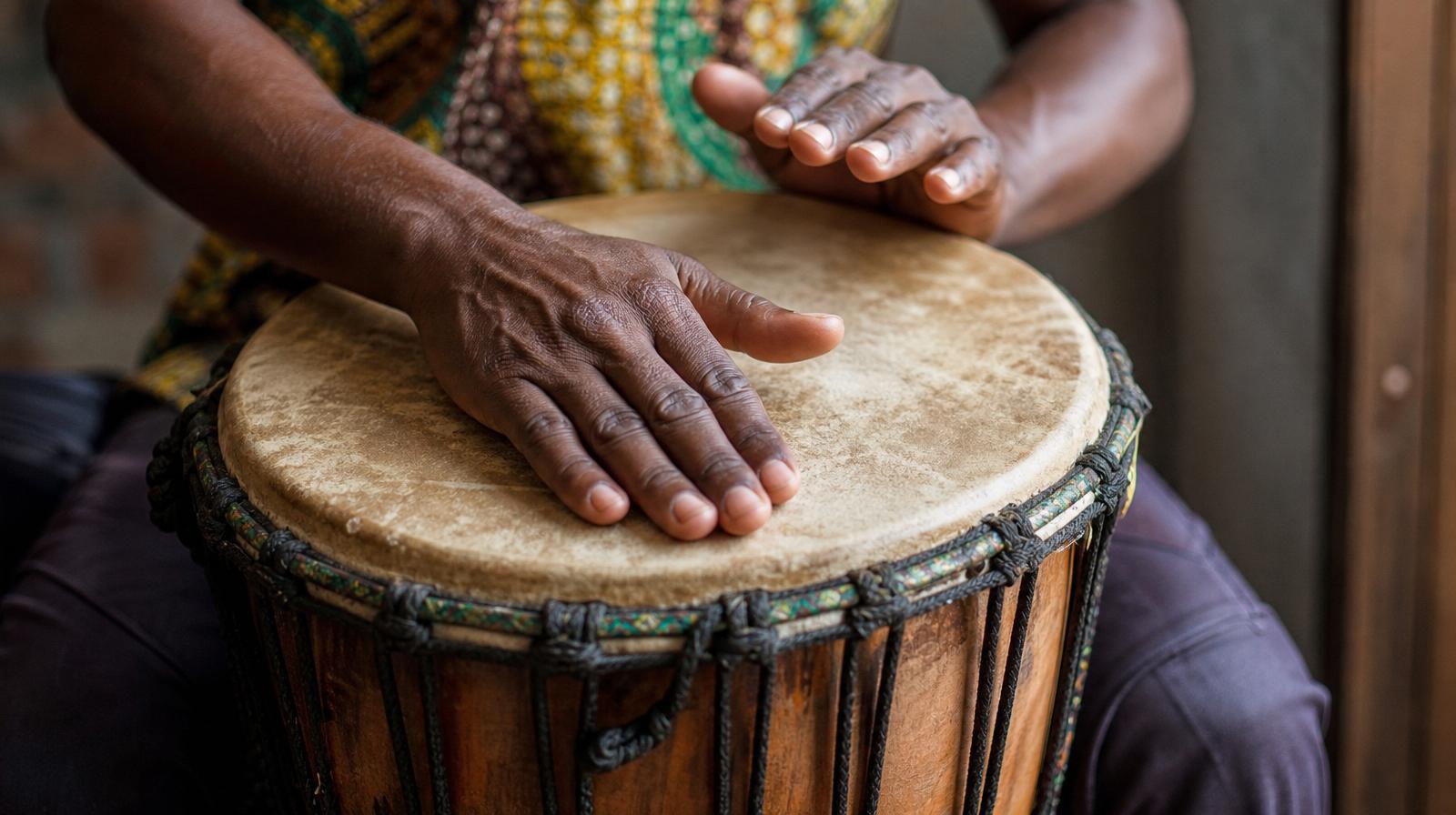
There is a specific kind of magic that happens when a group of strangers gathers under a park pavilion or around a beach bonfire to create a collective pulse. If you are searching for a drum circle this weekend, you aren't just looking for a musical performance; you are looking for a connection. Drumming is one of the oldest forms of human communication, and today, it serves as a powerful way to reduce stress, meet like-minded neighbors, and express yourself without saying a single word.
Whether you are a seasoned percussionist with a set of professional congas or a complete novice who just bought their first frame drum, finding a local circle is the first step toward a more rhythmic life.
Why Join a Drum Circle This Weekend?
In our fast-paced, digital world, the weekend is often the only time we have to truly unplug. A drum circle offers a unique form of "active meditation." Unlike a concert where you sit and watch, a circle invites you to participate.
Participating in a rhythm gathering has been shown to:
- Lower cortisol levels and reduce stress.
- Boost the immune system through shared creative expression.
- Create a sense of belonging and social cohesion.
- Improve motor skills and cognitive function through polyrhythmic patterns.
If you've had a long week, there is no better way to vent frustration and invite joy than by hitting the skin of a drum in unison with twenty other people.
How to Find a Drum Circle Near You
The easiest way to find a drum circle this weekend is to check dedicated community hubs. While social media groups can be helpful, they are often cluttered with outdated information.
To find a reliable event, you should:
- Check Local Directories: Visit our comprehensive list of drum circles to see verified recurring events and one-time gatherings in your area.
- Visit Music Shops: Local percussion shops often host their own circles or keep a bulletin board of community events.
- Search Public Parks: Many community circles meet in public spaces on Saturday afternoons or Sunday mornings. Look for "Full Moon" circles if the lunar calendar aligns with your weekend plans.
- Contact Facilitators: If you want a more structured experience, look for drumming events led by professional facilitators who guide the group through specific rhythms.
What to Expect at Your First Gathering
If this is your first time attending a circle, don't be intimidated. Most community drum circles are "facilitated" or "open," meaning they welcome all skill levels.
You will likely see a diverse array of instruments. You’ll hear the deep, earthy bass of the dunun, the sharp slap of the djembe, and the melodic ringing of a doumbek. You might even see people playing shakers, tambourines, or woodblocks.
The energy usually starts slow, with a basic heartbeat rhythm, and builds into a complex, high-energy peak before settling back down. The beauty of the circle is that there are no mistakes—only variations.
Essential Drum Circle Etiquette
To ensure everyone has a great time, there are a few unwritten rules of the rhythm. Following these will help you blend in and be invited back next weekend:
- Listen More Than You Play: When you first join, listen to the established beat for a minute before jumping in. Try to support the rhythm rather than playing over it.
- Ask Before You Borrow: Never play someone else's drum without asking. Many drummers consider their instruments to be deeply personal tools.
- Respect the Center: The center of the circle is often reserved for dancers or is considered a sacred space for the sound to resonate. Avoid walking through it if possible.
- Follow the Facilitator: If there is a leader in the middle using hand signals to stop or start the music, pay attention to them to keep the group cohesive.
Preparing Your Gear: What to Bring
You don't need a thousand-dollar setup to enjoy a drum circle this weekend. If you don't own a drum yet, many facilitated circles provide extra instruments for a small rental fee or for free.
If you are bringing your own, consider these staples:
- The Djembe: The most popular choice for its versatility in producing bass, tone, and slap sounds.
- Frame Drums: Lightweight and portable, perfect for those who prefer a softer, more meditative sound.
- Small Percussion: If your hands get tired, having a shekere or a pair of maracas allows you to stay in the groove without overexerting yourself.
- Comfort Items: Don't forget a folding chair (if the venue doesn't provide seating), plenty of water, and perhaps earplugs if you have sensitive hearing.
Taking Your Skills to the Next Level
Once you’ve attended a few weekend circles, you might find yourself wanting to learn specific traditional rhythms like Kuku or Moribayassa. This is where formal education comes in.
Connecting with drum teachers can help you improve your technique and prevent hand strain. If you want a more immersive experience, you might even look into drumming retreats where you can spend an entire weekend or week dedicated to the craft in a beautiful setting.
Finding Your Tribe
Ultimately, a drum circle is about community. It’s a place where age, profession, and background disappear, leaving only the shared pulse of the rhythm. Whether you are looking for a family-friendly afternoon in the park or a high-energy late-night jam, there is a seat waiting for you.
Find a drum circle near you and start your rhythmic journey today.
Frequently asked
- Do I need to be a professional musician to join a drum circle?
- Absolutely not. Most community drum circles are beginner-friendly and focus on the joy of rhythm rather than technical perfection. As long as you can keep a basic beat, you are welcome to participate.
- What should I do if I don't own a drum?
- Many organized circles and facilitated events provide 'loaner' drums or small percussion instruments like shakers. You can also check with local drum schools to see if they offer instrument rentals for weekend events.
- Are children allowed at drum circles?
- Most public park circles are family-friendly and encourage children to participate with small shakers or drums. However, it is always best to check the specific event listing to ensure the environment is appropriate for all ages.
Find a drum circle near you
Browse hundreds of circles, teachers and rhythm community gatherings.
Explore drum circles