
Drum Circle Tonight: Your Guide to Finding a Local Rhythm
Looking for a drum circle tonight? Discover how to find community rhythms, what to bring, and what to expect when you step into the circle.
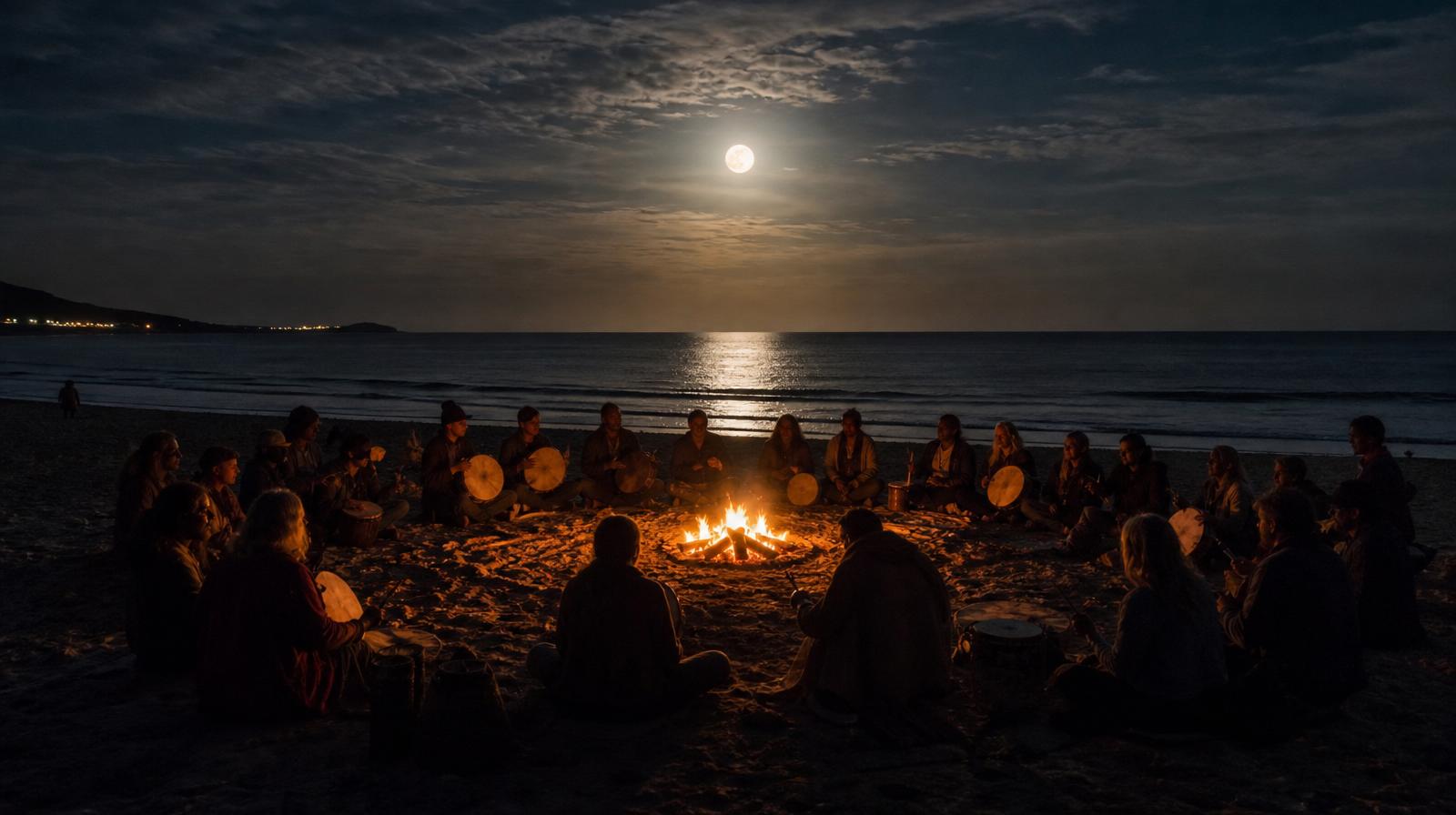
There is a specific kind of magic that happens when you decide to seek out a drum circle tonight. Whether you are a seasoned percussionist with a well-worn djembe or someone who has never touched a drum head in their life, the impulse to join a rhythm gathering is a call to connect. In our digital age, the tactile, grounding experience of skin hitting wood and the collective vibration of a room full of people is a powerful antidote to isolation.
Finding a circle on short notice might seem daunting, but rhythm is happening all around us. From park gatherings under a full moon to structured sessions in community centers, the heartbeat of the drum is never too far away.
How to Find a Drum Circle Tonight
If you are searching for a place to play immediately, the first step is knowing where to look. While some circles are perennial favorites that meet every week, others are pop-up events or tied to lunar cycles.
- Community Directories: The most reliable way to find a gathering is to check specialized listings. You can browse our global directory of drum circles to find groups that meet in your city.
- Social Media Groups: Local "community rhythm" or "hand drumming" groups on social platforms often post last-minute updates about weather changes or location shifts.
- Music Stores and Schools: Local shops that sell world percussion instruments like congas, doumbeks, or frame drums often act as hubs for the community. Staff usually know exactly who is hosting a session tonight.
- Parks and Beaches: In many cities, informal circles gather spontaneously at sunset, especially during the warmer months.
What to Expect at Your First Gathering
Walking into a drum circle for the first time can feel intimidating, but remember: every master drummer started with their first beat. Most circles are incredibly welcoming and operate on the principle that there are no "wrong" notes, only unique contributions to the whole.
There are generally two types of circles you might encounter tonight:
- Facilitated Drum Circles: These are led by a professional who uses verbal and non-verbal cues to guide the energy, start and stop rhythms, and ensure everyone is heard. These are excellent for beginners.
- Improvisational (Vamp) Circles: These are more organic. One person starts a pulse, and others layer rhythms on top. These require a bit more listening and sensitivity to the existing groove.
Essential Drum Circle Etiquette
To ensure you have the best experience at a drum circle tonight, following a few unwritten rules of the road will help you blend in and be respected by the regulars.
- Ask Before You Play Someone's Drum: Many drummers view their instruments as sacred or deeply personal. If there is an extra drum sitting out, always ask the owner before picking it up.
- Listen More Than You Play: The secret to a great circle isn't playing the loudest; it's finding the "pocket" or the space between the notes. Listen to the low-end pulse of the dununs or the steady beat of the cowbell before jumping in.
- Support the Pulse: If the rhythm feels shaky, don't try to play faster to fix it. Instead, play a simple, steady beat that helps ground the group.
- Respect the Space: If it’s a family-friendly circle, keep the energy inclusive. If it's a meditative frame drum circle, keep your volume lower to match the mood.
What Instruments Should You Bring?
If you have your own instrument, bring it! However, many community events offer "loaner" instruments for those who don't own one yet. If you are looking to purchase your first drum, many drum teachers can offer advice on what fits your style.
- Djembe: The most common drum in circles, known for its deep bass and sharp slaps.
- Congas: Great for adding a melodic, mid-range texture.
- Doumbek or Darbuka: Excellent for intricate, rapid-fire finger movements.
- Frame Drums: Perfect for a more portable, spiritual, or subtle sound.
- Small Percussion: Never underestimate the power of a shaker, tambourine, or woodblock. These instruments often hold the entire rhythm together.
The Benefits of Joining a Circle
Beyond the fun of making music, joining a drum circle tonight offers profound health and wellness benefits. Research has shown that group drumming can reduce stress, lower blood pressure, and even boost the immune system.
There is also the "entrainment" factor—the process where your brain waves and heart rate synchronize with the external rhythm. This leads to a state of flow that is rarely found in other hobbies. It is a form of active meditation that clears the mind of the day's anxieties.
Making it a Regular Practice
Once you've experienced the high of a great session, you might find yourself wanting to go deeper. Many people transition from casual circles to structured drum schools to sharpen their technique. Others look for immersive drumming retreats where they can spend a weekend or a week living and breathing rhythm.
If you find that there isn't a drum circle tonight in your immediate area, consider this your sign to start one. All it takes is a few friends, a park bench, and a shared pulse to begin a new community tradition.
Find a drum circle near you: /drum-circles
Frequently asked
- Do I need to be a musician to join a drum circle?
- Absolutely not. Most community drum circles are designed for all skill levels, including total beginners. The focus is on community and connection rather than musical perfection.
- What if I don't have my own drum?
- Many facilitated circles and community events provide extra instruments like shakers or djembes for newcomers. It is always a good idea to check the event description or message the organizer beforehand to see if loaners are available.
- Are children allowed at drum circles?
- Most public park and community center circles are family-friendly and welcome children. However, some indoor or meditative circles may have age restrictions, so it is best to verify on the event page before heading out.
Find a drum circle near you
Browse hundreds of circles, teachers and rhythm community gatherings.
Explore drum circles