
Drum Circle Venice Beach: The Ultimate Guide to the Sunday
Experience the rhythmic heartbeat of Southern California with our guide to the legendary Venice Beach drum circle, from sunset vibes to essential etiquette.
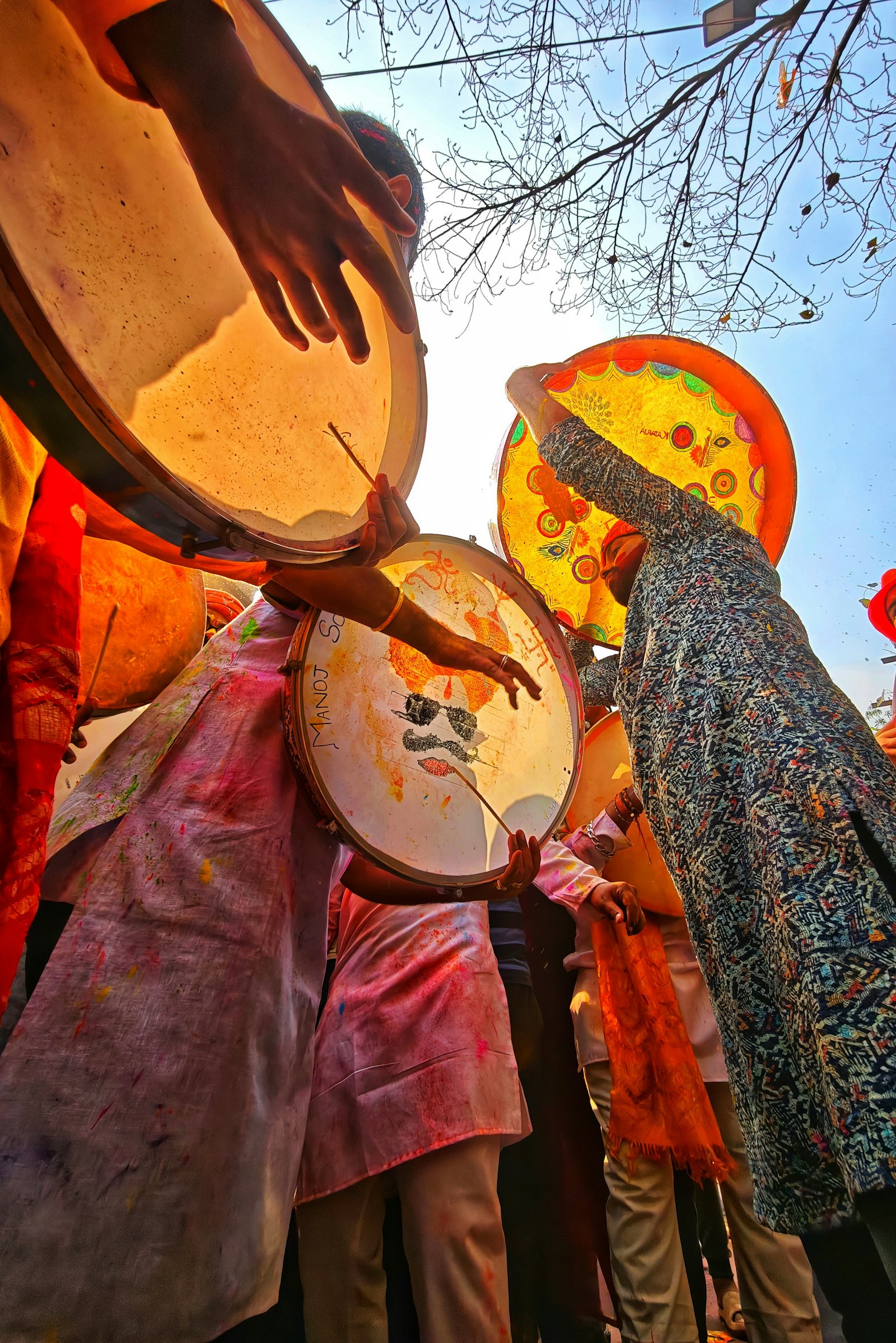
If you find yourself wandering the Venice Beach Boardwalk on a Sunday afternoon, you won’t need a map to find the heart of the action. You only need to follow your ears. As the salty Pacific breeze carries the scent of sage and street food, a low, pulsing thrum begins to rise above the sound of crashing waves. This is the drum circle Venice Beach is famous for—a decades-old tradition that serves as the rhythmic soul of Los Angeles.
Whether you are a seasoned percussionist with a weathered djembe or a curious traveler looking to soak up the bohemian atmosphere, the Venice Beach drum circle is a bucket-list experience. It is a place where professional musicians, spiritual seekers, and weekend tourists merge into a single, vibrating entity under the California sun.
The History and Spirit of the Venice Drum Circle
The Venice Beach drum circle isn't a scheduled performance or a ticketed event; it is a grassroots phenomenon that has evolved over forty years. It began as a small gathering of artists and musicians who found solace in the sand and has grown into one of the most famous community drumming events in the world.
The spirit of the circle is rooted in radical inclusion. Unlike a concert where there is a clear divide between performer and audience, the Venice circle blurs those lines. If you have a rhythm in your heart, you are part of the show. It’s a celebration of the 'now,' where the music is never rehearsed and every sunset brings a completely unique sonic landscape.
When and Where to Find the Rhythm
Timing is everything when planning your visit. While you might hear sporadic drumming throughout the week, the "real" magic happens on Saturdays and Sundays, with Sunday being the main event.
- Location: The circle typically forms on the sand at the end of Brooks Avenue, right on the beach. Look for the large gathering of people south of the iconic Venice Graffiti Walls.
- Start Time: Drummers usually begin trickling in around noon or 1:00 PM.
- The Peak: The energy reaches its crescendo about two hours before sunset.
- The Finale: The drumming traditionally stops right as the sun dips below the horizon, often followed by a collective cheer or a moment of silence.
Essential Instruments: What to Bring
You don’t need an instrument to enjoy the vibe, but many find that participating is far more rewarding than spectating. If you're looking to upgrade your gear or find drum teachers to sharpen your skills before heading to the beach, here are the most common sights and sounds at Venice:
- Djembe: The king of the circle. These West African drums provide the sharp slaps and deep bass notes that drive the tempo.
- Congas and Bongos: Adding a melodic Afro-Cuban flair, these are staples for those who prefer hand-drumming with a softer touch.
- Dunun: Often played with sticks, these cylindrical drums provide the 'heartbeat' or the foundational bass line for the polyrhythms.
- Frame Drums: Lightweight and portable, these are perfect for those who want to weave subtle textures into the sound.
- Shakers and Tambourines: Never underestimate the power of a shekere or a simple egg shaker. They provide the 'glue' that holds the timing together for the heavier hitters.
Etiquette for the Venice Beach Drum Circle
While the atmosphere is free-spirited, there are unwritten rules that keep the circle harmonious. Following these ensures a positive experience for everyone involved.
- Listen First, Play Second: Before you start pounding, take five minutes to listen to the established groove. Try to find a pocket where your sound complements the group rather than fighting it.
- Respect the Center: The middle of the circle is often reserved for dancers and those moving with the energy. Avoid standing in the center if you are just playing a handheld instrument.
- Ask Before Borrowing: Never pick up someone else's drum without asking. Many of these instruments are handmade, expensive, and hold deep personal value to the owner.
- Mind the Volume: If you are a beginner, try to stay on the outer ring. This allows the master drummers to maintain the core rhythm so the whole group stays in sync.
- No Alcohol or Drugs: While Venice has a 'wild' reputation, the drum circle is a family-friendly space. Keep it respectful so the tradition can continue for years to come.
Why Drumming at the Beach is Good for the Soul
There is a reason people flock to the drum circle Venice Beach offers week after week. Beyond the music, there is a profound therapeutic element to collective drumming. Science has shown that group drumming can lower cortisol levels, reduce stress, and even boost the immune system.
When you combine the rhythmic entrainment of fifty drums with the negative ions of the ocean air, you get a powerful 'reset' for the nervous system. It’s a form of moving meditation. For many locals, this is their weekly church—a place to release the stresses of the workweek and reconnect with the community.
Exploring the Local Drumming Scene
If the Venice experience leaves you craving more, Southern California is a hotbed for rhythmic education and gatherings. You can find several drum schools in the Los Angeles area that specialize in everything from Middle Eastern Doumbek to Brazilian Samba. For those who want to dive deeper into the lifestyle, many facilitators host drumming retreats in the nearby Santa Monica Mountains or Joshua Tree, offering a more intimate setting than the bustling boardwalk.
Don't forget to check local events listings for full-moon circles, which often happen at various spots along the coast, offering a more spiritual and quiet alternative to the high-energy Venice Sunday scene.
Tips for Your Visit
- Parking: Venice on a Sunday is notoriously difficult for parking. Arrive early and look for lots near Pacific Ave, or better yet, ride a bike down the strand.
- Sun Protection: There is very little shade on the sand. Bring a hat, eco-friendly sunscreen, and plenty of water.
- Hydration: Drumming for three hours is a workout! Stay hydrated to keep your energy up.
- Support the Artists: You’ll often see dancers or flow artists (fire spinners and hula hoopers) performing in the center. If you enjoy their art, a small tip is a great way to show appreciation.
Find a drum circle near you.
Frequently asked
- What time does the Venice Beach drum circle start?
- The circle typically begins to form around midday, roughly 1:00 PM, on Saturdays and Sundays. The energy peaks in the late afternoon, about two hours before sunset, and concludes as the sun goes down.
- Is the Venice Beach drum circle free to join?
- Yes, it is completely free and open to the public. You don't need a ticket or an invitation to watch, dance, or bring your own drum and join in the music.
- Can I bring my kids to the drum circle?
- Absolutely. The Venice Beach drum circle is a family-friendly environment where children often dance in the center or play small shakers. Just be mindful of the loud volume and the sun exposure on the sand.
- Where exactly is the drum circle located in Venice?
- It is located on the sand at the end of Brooks Avenue, just off the Venice Beach Boardwalk. It is situated between the Venice Graffiti Walls and the Santa Monica border.
Find a drum circle near you
Browse hundreds of circles, teachers and rhythm community gatherings.
Explore drum circles