Drum Circle Wedding: How to Plan a Rhythmic Celebration
Transform your special day into an unforgettable experience with a drum circle wedding that fosters deep connection and joyous celebration.
There is something primal and deeply moving about the sound of a drum. For centuries, across countless cultures, the drum has been the heartbeat of communal life. Today, couples seeking a departure from traditional, cookie-cutter ceremonies are turning to the drum circle wedding as a way to symbolize the merging of two lives, two families, and two rhythms into one.
Incorporating a drum circle into your wedding isn't just about entertainment; it’s about participation. It transforms guests from passive observers into active creators of the celebration's energy. Whether you are lifelong percussionists or simply love the idea of a high-energy, inclusive gathering, here is your comprehensive guide to planning a rhythmic wedding.
Why Choose a Drum Circle for Your Wedding?
Traditional weddings often follow a rigid structure: sit, listen, watch, and eat. A drum circle breaks these barriers. It levels the playing field, allowing the flower girl, the groom's college roommate, and the bride’s grandmother to share a moment of pure, uninhibited joy.
From a symbolic perspective, the drum circle represents the "one heart, one beat" philosophy. As the facilitator guides the group from chaotic noise into a synchronized groove, it mirrors the journey of a relationship—finding harmony amidst the complexity of life. It’s also a fantastic way to bridge the gap between two families who may be meeting for the first time.
Integrating Rhythm into the Ceremony
The ceremony is the most sacred part of the day, and drums can enhance the spiritual weight of the moment. Instead of a standard processional, imagine the bride walking down the aisle to the steady, grounding thump of a frame drum or the intricate patterns of a doumbek.
Many couples are now replacing the "unity candle" or "sand ceremony" with a "unity beat." The couple takes two different drums—perhaps a djembe and a conga—and starts a simple call-and-response. Eventually, they play together in a shared tempo, signifying their commitment to move through life in sync. To make this even more powerful, you can invite the entire guest list to join in with small percussion instruments like shakers or egg maracas provided on their seats.
The Reception: From Cocktails to the Dance Floor
The reception is where the energy of a drum circle wedding truly peaks. There are three primary ways to structure this:
- The Icebreaker: A 20-minute facilitated session during the cocktail hour to get guests laughing and interacting.
- The Main Event: A full-hour circle after dinner but before the DJ takes over, serving as a high-energy transition.
- The Late-Night Jam: A more organic, campfire-style circle that begins as the formal party winds down, often featuring dunun players and fire dancers.
If you aren't sure how to lead these sessions yourself, it is highly recommended to browse our directory of drum teachers or professional facilitators who specialize in rhythmic events.
Choosing the Right Instruments
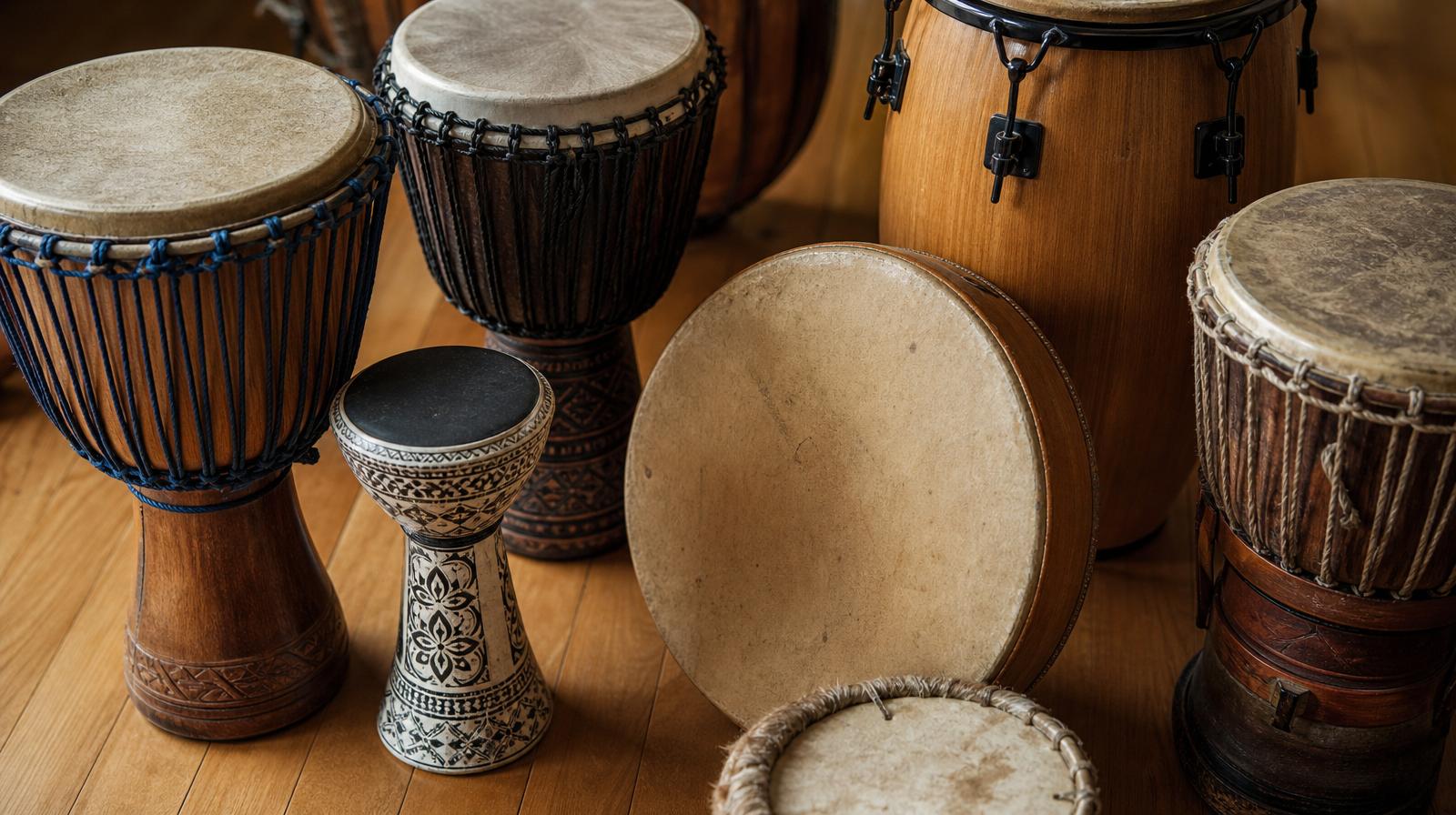
You don’t need a hundred professional-grade drums to have a successful drum circle wedding. A mix of textures and sounds creates the best acoustic environment. Consider a blend of the following:
- Low End (The Heartbeat): Large djembes, dununs, or tubanos provide the grounding bass notes.
- Mid-Range (The Melody): Ashikos, congas, and bongos offer the driving rhythms that keep people moving.
- High End (The Sparkle): Tambourines, woodblocks, cowbells, and shakers allow those who might be shy about drumming to still contribute to the wall of sound.
Many couples choose to buy custom-painted shakers as wedding favors. Not only do these serve as a memento, but they also ensure everyone has an "instrument" in hand when the music starts.
The Importance of a Professional Facilitator
While a "free-for-all" jam can be fun, a wedding usually requires a bit more intentionality. A professional drum circle facilitator acts as a rhythmic conductor. They know how to read the room, when to build the volume, and when to bring it down to a whisper for a poignant moment.
They also handle the logistics: bringing the instruments, setting up the chairs in a concentric circle, and teaching basic techniques so that no guest feels intimidated. You can find experienced professionals by checking out local events or searching for facilitators in your area.
Logistics and Venue Considerations
Before you commit to a drum circle wedding, check with your venue regarding noise ordinances. Drums carry, especially near water or in valleys. Outdoor settings like beaches, forest clearings, or private estates are ideal for these gatherings.
Consider the seating. A circle works best when everyone can see each other. If you have a large guest list, you may need two or three concentric rings of chairs. Ensure there is a focal point in the center—perhaps your wedding cake, a floral installation, or just open space for dancing.
Etiquette for a Rhythmic Wedding
To ensure your drum circle is a success, keep these etiquette tips in mind:
- Respect the Lead: Encourage guests to follow the facilitator’s cues for starting and stopping.
- Support the Groove: Remind guests that they don’t need to be "good" at drumming; they just need to listen to the person next to them.
- Volume Control: Ensure the drums don't drown out the toasts or the officiant. Timing is everything.
If you want to dive deeper into the world of rhythm before your big day, consider attending one of many drumming retreats to hone your skills and find inspiration for your ceremony.
Your wedding is a celebration of your unique bond. By bringing the ancient power of the drum into your modern celebration, you create a vibrant, living memory that your guests will talk about for decades. It is more than a party; it is a heartbeat shared by everyone you love.
Find a drum circle near you to start practicing for your big day.
Frequently asked
- Do guests need to know how to drum to participate in a wedding circle?
- Absolutely not. Most wedding drum circles are facilitated, meaning a leader guides the group through simple rhythms that anyone can follow. The focus is on community and joy rather than technical skill.
- How many drums do I need to provide for my guests?
- You don't necessarily need a drum for every guest. A good rule of thumb is to provide drums for about 50% of the guests and hand percussion like shakers or bells for the rest, allowing people to swap instruments throughout the event.
- Is a drum circle wedding too loud for older guests?
- It can be loud, but a professional facilitator knows how to manage dynamics. You can also provide earplugs in a decorative basket or ensure the drumming takes place in an area where guests can easily step away if they need a break.
Find a drum circle near you
Browse hundreds of circles, teachers and rhythm community gatherings.
Explore drum circles