Healing Beats: Guide to a Drum Circle for Wellness Centers
Discover how rhythmic community drumming transforms wellness programs by reducing stress and fostering social connection.
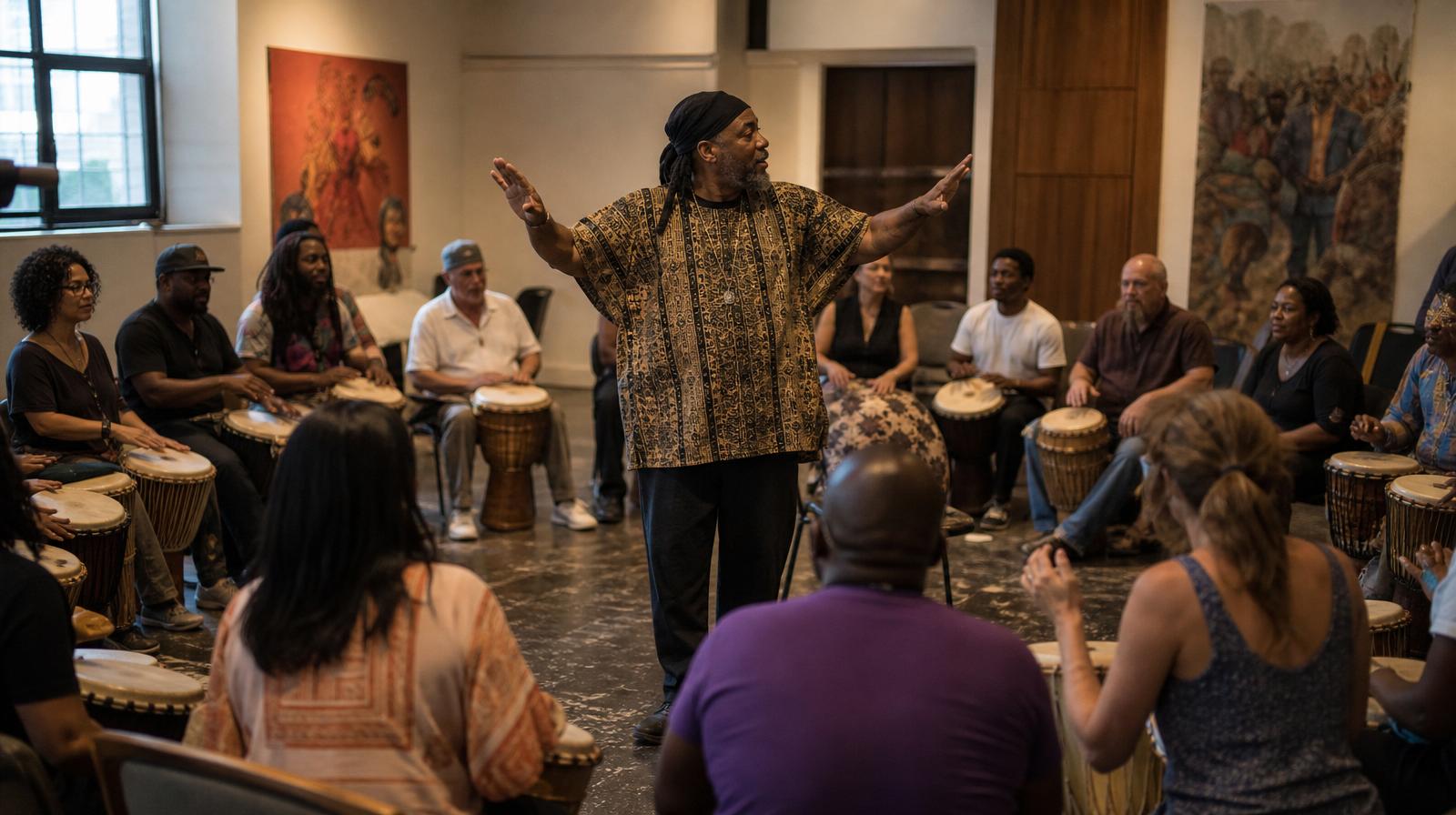
In the modern landscape of holistic health, practitioners are constantly seeking modalities that bridge the gap between physical vitality and emotional resilience. While yoga and meditation remain staples, a rhythmic revolution is taking hold. Integrating a drum circle for wellness centers offers a dynamic, inclusive, and scientifically backed way to foster community healing.
Group drumming is not just about keeping a beat; it is an ancient practice rediscovered for the modern age. Whether it is the deep resonance of a djembe or the sharp, crisp tone of a doumbek, these instruments serve as tools for expression when words are not enough.
The Science of Rhythm and Recovery
Research into music therapy has shown that group drumming can significantly lower cortisol levels and boost the immune system. For wellness centers focusing on recovery, stress management, or chronic pain, the rhythmic entrainment of a drum circle helps synchronize the brain's hemispheres.
When a group of individuals begins to play together, their heart rates often begin to synchronize. This physiological alignment creates a sense of safety and belonging, which is essential for any therapeutic environment. By introducing a drum circle for wellness centers, directors can provide a low-barrier entry point for clients who may feel intimidated by traditional talk therapy.
Choosing the Right Instruments for a Wellness Setting
Not all drums are created equal when it comes to a clinical or wellness setting. The goal is to provide instruments that are accessible to beginners while offering a rich palette of sound.
- Djembes: These versatile West African drums are popular because they offer three distinct tones (bass, tone, and slap), allowing participants to express a range of emotions.
- Frame Drums: Lightweight and easy to hold, frame drums are excellent for gentle, meditative sessions.
- Buffalo Drums: Often used in shamanic or grounding practices, these produce a deep, vibrating tone that resonates in the chest.
- Dununs: These large bass drums provide the "heartbeat" of the circle, offering a grounding foundation for the lighter percussion instruments.
For those looking to deepen their technical skills before leading a group, connecting with drum teachers can provide the necessary foundation in technique and rhythm theory.
Structuring a Session: From Chaos to Cohesion
A successful drum circle for wellness centers follows a predictable yet flexible flow. A facilitator usually guides the group through several stages:
- The Check-in: A simple rhythmic pulse where each person introduces themselves through a brief beat.
- Rumble and Release: A high-energy moment where participants can play freely to release pent-up tension.
- Call-and-Response: The facilitator plays a pattern on a conga or djembe, and the group mimics it, fostering listening skills and focus.
- The Groove: A sustained, steady rhythm that allows participants to enter a flow state.
- The Fading Away: Gradually lowering the volume until the room is silent, leaving space for reflection.
Benefits for Mental Health and Social Connection
Isolation is one of the greatest hurdles in wellness. A drum circle breaks down social barriers instantly. In a circle, there is no hierarchy; the CEO sits next to the student, and the seasoned musician sits next to the novice. This egalitarian structure is why many drumming retreats focus on the circle as a primary tool for social bonding.
For wellness centers, this means faster group cohesion and a reduction in the "loneliness epidemic" among clients. The act of contributing to a collective sound gives participants a sense of agency and purpose.
Facilitation vs. Performance
It is crucial to understand that a drum circle for wellness centers is not a performance. There is no audience. The focus is on the process rather than the product. Facilitators should encourage "mistakes" as part of the organic soundscape.
If your center does not have a trained facilitator on staff, you can search for local experts through drum schools or community directories to find professionals who specialize in therapeutic rhythm.
Creating a Dedicated Space for Rhythm
To host a regular circle, the physical environment matters. Ideally, the space should have:
- Good Acoustics: Avoid overly "live" rooms with too much echo, which can be overstimulating.
- Comfortable Seating: Armless chairs are best to allow for a full range of motion while drumming.
- Accessibility: Ensure the room is inclusive for those with mobility aids.
- A Natural Aesthetic: Incorporating plants or soft lighting can help transition the mind from the outside world into a healing state.
Many centers start by hosting one-off events to gauge interest before committing to a weekly program. Often, the response is so positive that the drum circle becomes the most anticipated hour of the week.
Conclusion: The Heartbeat of Your Center
Integrating a drum circle for wellness centers is an investment in the emotional and physical health of your community. It is a practice that honors ancient traditions while meeting modern needs for connection, stress relief, and joy. By picking up a mallet or placing hands on a drumhead, your clients aren't just making noise—they are finding their way back to their own internal rhythm.
Find a drum circle near you to experience the power of the beat firsthand.
Frequently asked
- Do participants need musical experience to join a wellness drum circle?
- Not at all. The beauty of a drum circle for wellness centers is that it is accessible to everyone regardless of musical background. Facilitators use simple rhythms that anyone can follow, emphasizing the therapeutic experience over technical perfection.
- What is the ideal group size for a therapeutic drum circle?
- While circles can range from 5 to 50 people, the ideal size for a wellness setting is often between 10 and 20 participants. This size is large enough to create a rich, enveloping sound but small enough to maintain a sense of intimacy and individual safety.
- How long should a wellness drumming session last?
- A standard session usually lasts between 60 and 90 minutes. This allows enough time for a warm-up, several rhythmic journeys, a period of high-intensity play, and a cooling-down meditative period at the end.
Find a drum circle near you
Browse hundreds of circles, teachers and rhythm community gatherings.
Explore drum circles