Enhance Your Practice: The Ultimate Drum Circle for Yoga
Discover how integrating rhythmic drum circles into your yoga studio can deepen mindfulness, build community, and create a unique sensory experience for practitioners.
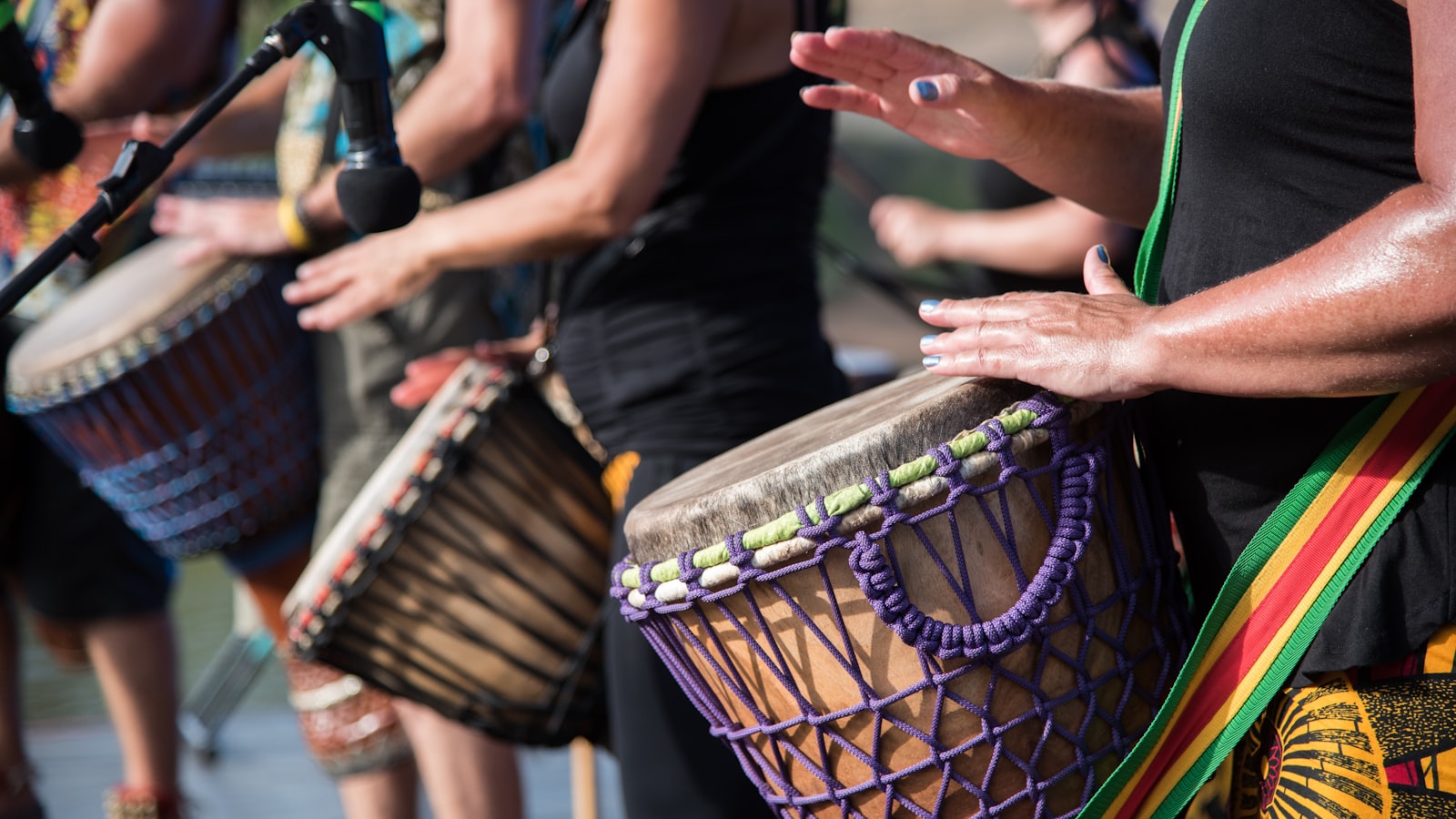
Yoga and drumming are two ancient practices that, when combined, create a powerful synergy of movement and sound. For studio owners looking to expand their offerings beyond traditional vinyasa or hatha classes, hosting a drum circle for yoga studios is an incredible way to foster community and deepen the meditative experience.
While yoga focuses on the internal flow of breath and energy, drumming projects that energy outward, creating a collective vibration that resonates long after the final Om. In this guide, we explore how to bridge these two worlds, from selecting the right instruments to structuring a session that honors the sacred space of your studio.
The Natural Synergy Between Yoga and Rhythm
At its core, yoga is about union. Drumming is the heartbeat of that union. Both practices rely heavily on rhythmic breathing and the concept of 'flow.' When a group of people breathes together in a yoga class, they begin to sync up; when they drum together, that synchronization becomes audible and physical.
Integrating a drum circle into your yoga studio isn't just about making noise—it's about somatic experiencing. The low-frequency vibrations of a djembe or the steady pulse of a dunun can help practitioners drop into a theta brainwave state more quickly than silence alone. This makes drumming a perfect companion for restorative yoga, yin practices, or even high-energy 'Tribal Flow' sessions.
Choosing the Right Instruments for a Yoga Environment
Not all drums are created equal when it comes to the zen atmosphere of a yoga studio. You want instruments that offer a range of tones—from grounding bass to ethereal highs—without being overwhelming in a confined space.
- The Djembe: The most versatile drum for any circle. Its deep bass notes can represent the earth element, while its sharp slaps provide a wake-up call for the spirit.
- Frame Drums: These are particularly popular in yoga settings. Played with the hand or a soft mallet, they produce a haunting, melodic sound perfect for lunar cycles or slow-flow sequences.
- Doumbek: For studios that lean toward Middle Eastern traditions or belly-dance-influenced movement, the crisp, articulate sounds of the doumbek are ideal.
- Singing Bowls and Gongs: While not drums in the traditional sense, they are essential rhythmic anchors that bridge the gap between a drumming retreat and a traditional sound bath.
Structuring a Rhythmic Yoga Workshop
To make a drum circle successful in a studio setting, it helps to have a clear structure. Unlike a wild bonfire circle, a studio session often benefits from a facilitated approach.
- Opening Meditation: Start with a seated centering. Use a single frame drum to mimic a heartbeat, helping students arrive in their bodies.
- Movement with Live Rhythm: As students move through their asanas, the drummer (or the students themselves) can maintain a steady 4/4 beat. This helps with timing during held poses.
- The Interactive Circle: After the physical practice, have students transition into a seated circle. This is where the true 'drum circle' begins. Find a drum teacher who specializes in facilitation to lead simple call-and-response patterns.
- Savasana with Sound: End the session with a long, rhythmic cool-down, fading the drums into soft rattles or chimes as students enter total relaxation.
Building Community and Inclusivity
One of the greatest benefits of hosting a drum circle for yoga studios is the 'village' feel it creates. Many yoga students feel they are on an individual journey even when in a crowded room. Drumming breaks that barrier.
In a circle, there is no front of the room; everyone is equal. This is a fantastic way to attract new members who might be intimidated by the physical demands of yoga but are drawn to the community aspect of music. It's a family-friendly way to introduce rhythm as a form of 'moving meditation.'
Practical Tips for Studio Owners
If you are ready to introduce rhythm to your schedule, consider these logistical points:
- Acoustics: Yoga studios often have hard floors and mirrors, which can make drums sound very loud. Use rugs and tapestries to dampen the sound if necessary.
- Facilitation: Unless you are a drummer yourself, it is worth hiring a professional. You can browse our directory to find experienced facilitators and drum schools who can provide both the talent and the instruments.
- Theme Your Events: Consider hosting 'Full Moon Drumming' or 'Equinox Celebrations.' These events give the community something to look forward to and provide a natural cadence to your studio’s calendar.
The Healing Power of the Beat
Scientific studies have shown that group drumming can reduce cortisol levels and boost the immune system. When you combine this with the physical benefits of yoga—increased flexibility, better posture, and mental clarity—you are offering a holistic wellness package that is hard to beat.
Whether you are using a buffalo drum for a shamanic journey or a set of congas for a high-energy flow, the goal is the same: to help your students find their own rhythm and connect with the world around them.
Find a drum circle near you to see how other communities are blending these powerful traditions.
Frequently asked
- Do students need to bring their own drums to a yoga studio circle?
- It depends on the studio, but many facilitators provide a 'drum bank' of djembes, shakers, and frame drums for participants to use. It is always wise to mention in your event description if students should bring their own percussion or if instruments will be provided.
- Is drumming too loud for a peaceful yoga environment?
- While drumming can be loud, it is all about the facilitation. A skilled leader knows how to manage volume levels and use 'soft touch' techniques to ensure the music complements the yoga practice rather than overpowering it.
- How long should a combined yoga and drumming session last?
- Most successful workshops last between 90 minutes and two hours. This allows for 45-60 minutes of movement followed by 30-45 minutes of facilitated drumming and a final 15-minute integration or Savasana.
Find a drum circle near you
Browse hundreds of circles, teachers and rhythm community gatherings.
Explore drum circles