
Drum Circles Canada: A Guide to Rhythms Across the Provinces
Experience the pulse of the Great White North with our comprehensive guide to finding community, healing, and rhythm in Canadian drum circles.
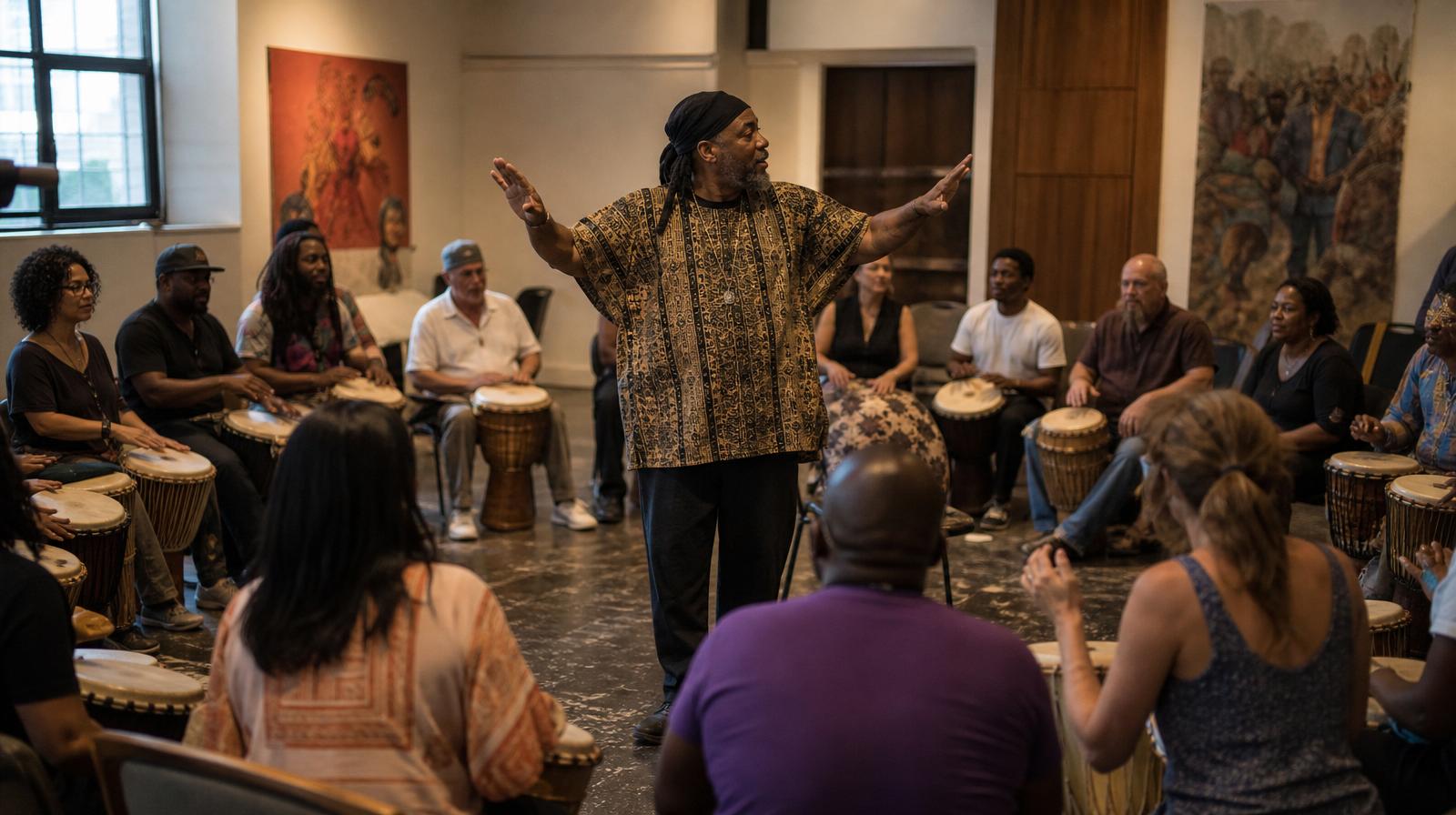
From the rugged coasts of British Columbia to the historic streets of Halifax, the heartbeat of the drum is a constant presence in Canadian culture. Whether you are a seasoned percussionist or someone who has never touched a djembe, the landscape of drum circles in Canada offers a welcoming space for every skill level.
In this guide, we explore the rich tapestry of rhythm communities across the country, providing you with the tools to find your beat and connect with fellow enthusiasts in your own backyard.
The Spirit of Canadian Drumming Communities
Drumming in Canada is more than just a musical hobby; it is a community-building tool that transcends language and cultural barriers. In a country as vast as ours, these circles serve as vital hubs for social connection.
In major urban centers like Toronto, Vancouver, and Montreal, you will find diverse gatherings where West African djembe rhythms blend with Middle Eastern doumbek patterns and Indigenous hand drum traditions. These circles often emphasize inclusivity, welcoming families, seniors, and youth to participate in a shared rhythmic experience.
Finding a Drum Circle in Your Region
Canada’s drumming scene is as varied as its geography. Here is a look at what you can expect in different parts of the country:
- Western Canada: British Columbia is home to a thriving outdoor drumming culture. The Stanley Park drum circle in Vancouver is legendary, drawing hundreds of participants during the summer months to celebrate the sunset. In Alberta, cities like Calgary and Edmonton host indoor community circles that provide a warm refuge during the winter months.
- The Prairies: Saskatchewan and Manitoba have deep-rooted traditions in both community percussion and Indigenous drumming. Look for university-led groups and wellness-focused circles in Saskatoon and Winnipeg.
- Central Canada: Ontario and Quebec boast the highest concentration of drum schools and professional facilitators. From the massive full-moon gatherings in Toronto to the artistic, high-energy circles in Montreal, there is no shortage of opportunities to play.
- Atlantic Canada: The East Coast offers a unique blend of Celtic influence and community-spirited hand drumming. Halifax and St. John’s host intimate circles that often focus on the healing aspects of rhythm.
Essential Instruments for the Canadian Drummer
While many community circles provide instruments for newcomers, many participants eventually choose to invest in their own. In the Canadian scene, you will frequently encounter:
- Djembe: The most popular choice for its versatile range of bass, tone, and slap sounds.
- Dunun: These bass drums provide the heartbeat of West African-inspired ensembles.
- Congas and Bongos: Common in Latin-influenced circles found in multicultural urban hubs.
- Frame Drums: Often used in more meditative or spiritual gatherings.
- Indigenous Hand Drums: Deeply respected instruments used in traditional circles and ceremonies across Turtle Island.
If you are looking to improve your technique on any of these instruments, connecting with drum teachers can help you transition from a casual hobbyist to a confident contributor to the circle.
Etiquette for Newcomers
If you are attending your first drum circle in Canada, a few simple rules of etiquette will ensure you have a great experience and respect the community:
- Listen First: Before joining in, take a moment to listen to the established pulse. Try to find the "one" and support the existing groove.
- Ask Before Playing Someone Else’s Drum: Many drums are handmade and hold personal or spiritual significance for the owner.
- Support the Facilitator: Many Canadian circles are led by a facilitator who uses hand signals to change the tempo or volume. Keep an eye on them for guidance.
- Leave Space: You don't have to play every single beat. Leaving "air" in the rhythm allows others to be heard and creates a more musical experience.
Health, Wellness, and Rhythm Retreats
Beyond the local park or community center, many Canadians are turning to drumming for its proven health benefits. Therapeutic drumming is increasingly used in hospitals, schools, and wellness centers across the provinces to reduce stress and improve cognitive function.
For those looking for a deeper immersion, drumming retreats in the Canadian wilderness offer a chance to disconnect from technology and reconnect with nature through rhythm. These multi-day events often feature master classes, yoga, and communal campfire circles.
How to Get Involved
Ready to start your rhythmic journey? The best way to find a local group is to check community boards, music shops, and specialized online directories. Whether you are looking for a high-energy event or a quiet, meditative space, the Canadian drumming community has a place for you.
Find a drum circle near you by visiting our drum circles directory index.
Frequently asked
- Do I need to own a drum to join a circle in Canada?
- No, many community drum circles in Canada provide 'loaner' instruments for beginners. However, it is always a good idea to check the event description or contact the facilitator beforehand to ensure extra drums are available.
- Are Canadian drum circles family-friendly?
- Most public drum circles in Canada are very family-friendly and welcome children of all ages. Many facilitators even specialize in youth-oriented rhythm games to keep younger participants engaged and learning.
- Where can I find the biggest drum circles in Canada?
- The largest gatherings typically happen during the summer months in major cities. The Stanley Park Drum Circle in Vancouver and the Sunday drum circles at Mount Royal in Montreal are two of the most iconic and well-attended rhythmic events in the country.
Find a drum circle near you
Browse hundreds of circles, teachers and rhythm community gatherings.
Explore drum circles