A Guide to Drum Circles: Find Your Rhythm in the Community
Discover the transformative power of the drum circle, from ancient traditions to modern wellness practices and how to join your first gathering.
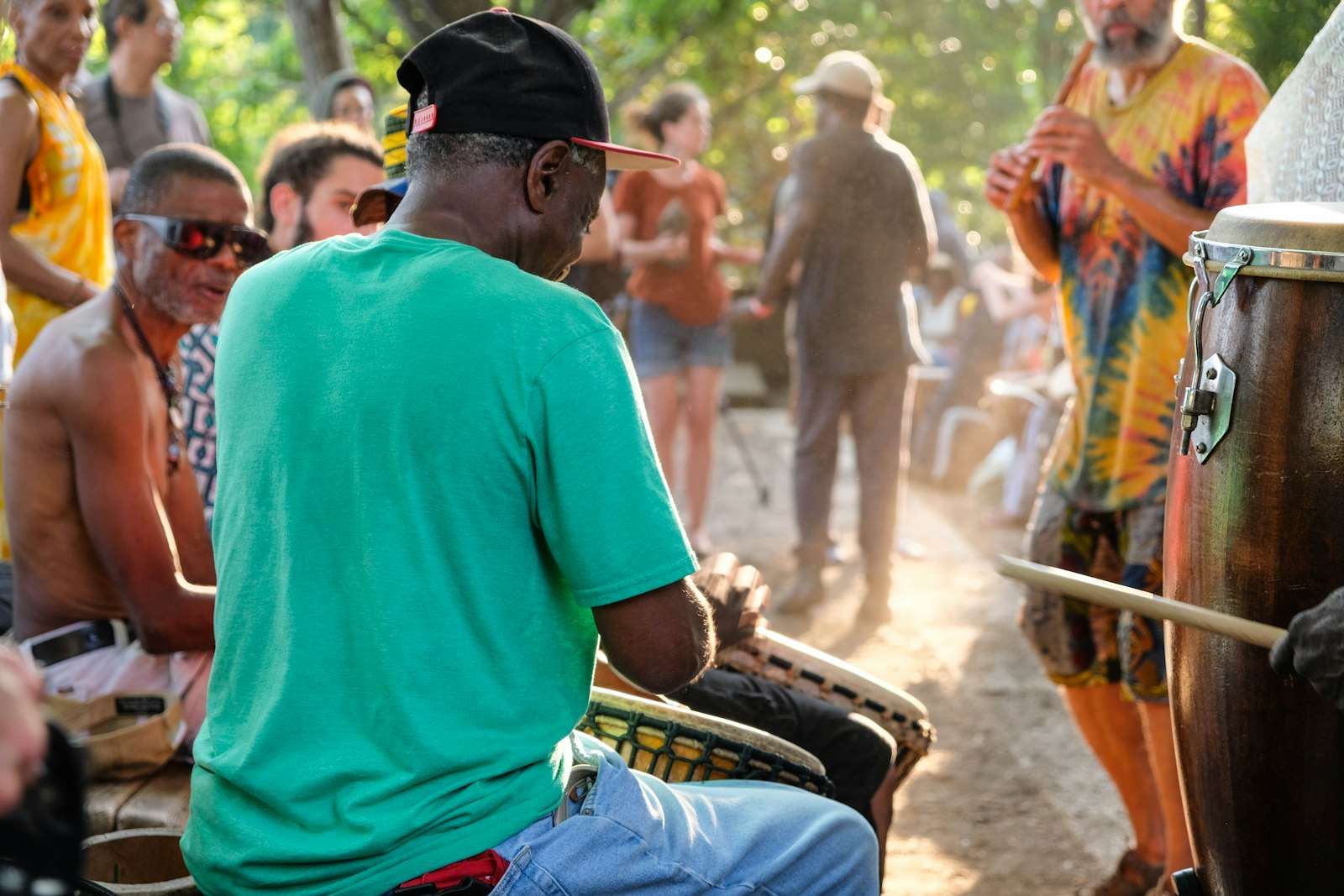
There is something primal and deeply moving about the sound of a drum. It echoes the first sound we ever hear—the heartbeat of our mother in the womb. When we gather in a circle to play together, we tap into a tradition that spans millennia and transcends language.
A drum circle is more than just a musical performance; it is a collaborative experience where people of all skill levels come together to create a spontaneous, living groove. Whether you are holding a djembe for the first time or you are a seasoned percussionist, the circle has a place for you.
What Exactly is a Drum Circle?
At its core, a drum circle is a group of people sitting in a circle, playing hand drums and percussion instruments. Unlike a band or an orchestra, there is often no sheet music and no conductor in the traditional sense. Instead, the music is improvised in the moment.
There are generally two types of circles:
- Community Drum Circles: These are informal, often family-friendly gatherings in parks or community centers. They are self-guided and focus on the joy of participation.
- Facilitated Drum Circles: These are led by a trained facilitator who uses verbal and non-verbal cues to help the group find their rhythm. This is a great way for beginners to feel comfortable while the group explores dynamics like volume, tempo, and call-and-response patterns.
The Essential Instruments of the Circle
While you don't need to own a professional instrument to join, knowing the common voices of the circle helps you find your place in the soundscape.
- The Djembe: This goblet-shaped drum from West Africa is the most popular instrument in modern circles. It offers a deep bass, a rich tone, and sharp slaps.
- The Conga: Originating from Cuba, these tall, narrow drums provide a warm, melodic pulse.
- The Doumbek: A goblet drum from the Middle East, often made of metal or ceramic, known for its crisp, ringing high notes.
- Frame Drums: One of the oldest drum types, these are portable and produce earthy, resonant tones.
- The Dunun: These are the large cylindrical drums played with sticks that provide the deep, driving foundation for West African rhythms.
- Auxiliary Percussion: Shakers, bells, woodblocks, and tambourines are the 'salt and pepper' of the circle, adding texture and brightness to the groove.
If you want to master a specific instrument, connecting with drum teachers can help you develop the technique needed to play for hours without fatigue.
Understanding Drum Circle Etiquette
For a beginner, walking into a circle can feel intimidating, but the community is famously welcoming. Following a few simple guidelines ensures a great experience for everyone:
- Listen as much as you play: The goal is to weave your sound into the existing fabric, not to play over everyone else.
- Support the pulse: If you get lost, stop and listen for the bass drum or the heartbeat. When you feel the pulse, start with a simple beat.
- Ask before playing someone else’s drum: Many drummers have a deep personal connection to their instruments. Always ask permission before trying out a drum that isn't yours.
- Respect the facilitator: If someone is leading the group, keep an eye on them for signals to stop, start, or change volume.
- Leave space: Music is made of sound and silence. You don't have to play every single beat. Leaving 'holes' in the rhythm allows other voices to be heard.
The Health and Wellness Benefits of Drumming
Modern science is finally catching up to what ancient cultures have known for centuries: drumming is good for the soul. Participating in events focused on rhythmic healing has been shown to reduce stress, lower blood pressure, and boost the immune system.
Group drumming releases endorphins and promotes 'alpha' brain waves, which are associated with relaxation and creativity. It is also a powerful tool for social connection, helping to combat feelings of isolation by placing individuals in a supportive, non-judgmental environment.
How to Find Your First Circle
If you are ready to experience the 'rumble' for yourself, there are many ways to get started. Many cities host full-moon drum circles on beaches or in public parks. Others are hosted by drum schools as a way for students to practice what they have learned in a low-pressure setting.
For those looking for a deeper immersion, drumming retreats offer the chance to spend several days in nature, learning from master drummers and connecting deeply with a tribe of like-minded rhythm seekers.
Tips for Your First Time
- Arrive early: This gives you a chance to meet people and find a comfortable seat.
- Don't worry about 'talent': Drum circles are about community, not performance. If you can breathe, you have rhythm.
- Protect your ears: If the circle is indoors or very large, consider high-fidelity earplugs to protect your hearing while still being able to hear the music.
- Bring a chair: Not every circle provides seating. A small folding stool can be a lifesaver.
Find a drum circle near you.
Frequently asked
- Do I need to bring my own drum to a drum circle?
- Not necessarily. Many facilitated circles provide extra instruments or 'house' drums for newcomers to use. However, it is always a good idea to check the event description or bring a small shaker just in case.
- Can children participate in drum circles?
- Most community drum circles are highly family-friendly and welcome children of all ages. It is a wonderful way for kids to develop coordination and social skills in a creative environment.
- What if I have no musical experience or rhythm?
- Drum circles are designed for you! The collective beat of the group makes it easy to find the pulse. Most people find that their natural rhythm emerges quickly once they stop overthinking and start listening to the group.
Find a drum circle near you
Browse hundreds of circles, teachers and rhythm community gatherings.
Explore drum circles