Drum Classes Near Me: Find Your Rhythm in Local Hand
Discover the joy of hand drumming by finding the perfect local class or teacher to guide your rhythmic journey.
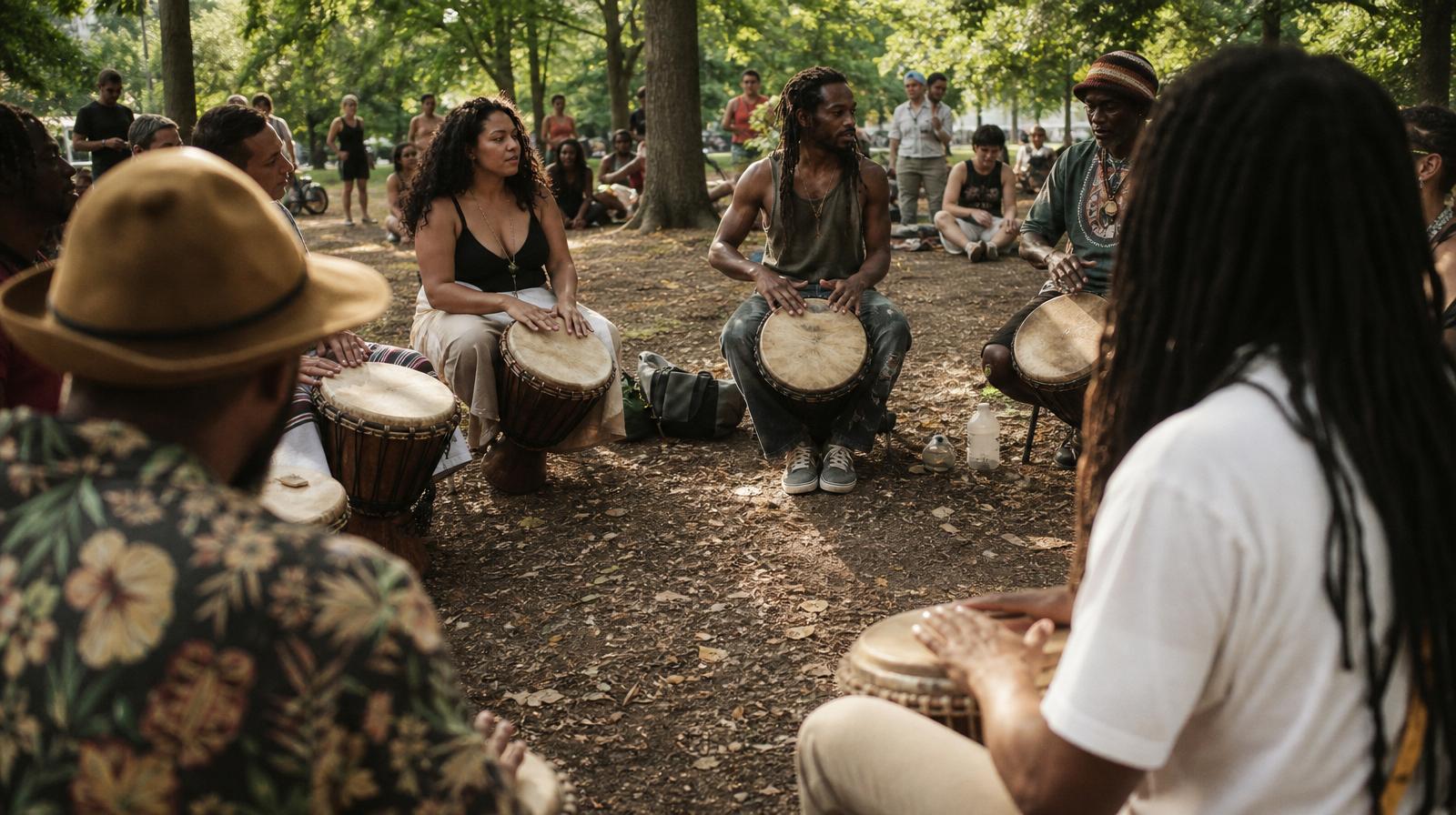
There is a primal, undeniable pull to the sound of a hand drum. Whether it is the deep, resonant bass of a djembe or the sharp, melodic slap of a doumbek, drumming connects us to a universal pulse. If you have been searching for "drum classes near me," you are likely looking for more than just a musical skill—you are looking for a community and a way to express your inner rhythm.
Finding the right instructor or school is the first step toward mastering the art of the drum. From the traditional rhythms of West Africa to the modern applications of health-focused drumming, the world of percussion is vast and welcoming. This guide will help you navigate your local scene and find the perfect place to start your journey.
Why Start Your Drumming Journey Now?
Drumming is one of the few activities that engages the entire brain. It is physical, mental, and emotional. When you join a local class, you aren't just hitting a goat-skin head; you are participating in an ancient form of communication.
Learning in a group setting offers unique benefits:
- Real-time Feedback: An instructor can correct your hand positioning to prevent strain.
- Shared Energy: There is a specific magic that happens when a room full of people locks into a groove.
- Cultural Context: Many teachers share the history and stories behind the rhythms of the dunun or the frame drum.
Choosing the Right Instrument to Learn
Before you commit to a series of classes, it is helpful to know which instrument speaks to you. Most local percussion schools offer a variety of focuses:
The Djembe
Hailing from West Africa, the djembe is perhaps the most popular hand drum in the world. It is known for its wide range of tones—bass, tone, and slap. If you want to play in high-energy drum circles, this is often the best place to start.
Congas and Bongos
If you are drawn to Afro-Cuban sounds and Latin jazz, look for classes specializing in congas. These drums require specific palm-and-finger techniques that are best learned under the watchful eye of a professional drum teacher.
The Doumbek and Middle Eastern Percussion
The doumbek (or darbuka) offers intricate, rapid-fire rhythms. It is perfect for those who love detail and nuance in their playing.
What to Expect in Your First Drumming Class
Walking into your first class can be intimidating, but the drumming community is famously inclusive. Most beginner classes follow a predictable, comfortable flow:
- The Warm-up: Simple exercises to get the blood flowing to your hands and wrists.
- Technique Training: Learning how to strike the drum to produce clean, distinct sounds.
- Call-and-Response: The teacher plays a pattern, and the students mimic it back. This is a foundational way of learning rhythm by ear.
- Ensemble Playing: Splitting the group into different parts to create a multi-layered polyrhythm.
Finding Quality Drum Schools and Teachers
When searching for "drum classes near me," you will likely find a mix of private studios, community centers, and specialized drum schools.
Look for instructors who emphasize ergonomics and longevity. Hand drumming is physical, and learning how to play without hurting your joints is crucial. Check if the school provides drums for students, as this allows you to try different instruments before investing in your own. Many local schools also host events where students can perform, helping you build confidence in a supportive environment.
The Benefits of Group Learning vs. Private Lessons
Both paths have their merits. Private lessons are excellent for technical mastery and personalized troubleshooting. However, group classes are where the social aspect of drumming shines. In a group, you learn to listen to others while maintaining your own part—a skill known as "rhythmic independence."
If you are a beginner, we often recommend starting with a group class to get a feel for the community, then supplementing with private lessons if you want to advance quickly on a specific instrument like the tabla or udu.
Beyond the Classroom: Retreats and Workshops
Once you have mastered the basics, you might find yourself wanting to dive deeper. Many students look for drumming retreats to immerse themselves in the practice. These retreats often take place in nature and combine drumming with wellness, yoga, and intensive study with master drummers. It is a transformative way to take your skills from a local level to a global understanding.
Tips for Your First Session
- Trim your fingernails: Long nails can interfere with proper hand technique and can even damage the drum head.
- Remove rings and jewelry: Rings can crack the wooden shell of a drum or tear the skin.
- Be patient: Your hands need time to develop the necessary calluses and muscle memory.
- Listen more than you play: Rhythm is 90% listening.
Finding the right rhythm community is a life-changing experience. Whether you are looking for stress relief, a new hobby, or a deep cultural connection, the right class is out there waiting for you.
Find a drum circle near you to practice your new skills!
Frequently asked
- Do I need to own a drum to start classes?
- Most beginner-friendly drum schools and community centers provide 'loaner' drums for your first few sessions. It is actually better to wait until you have learned the basics before buying a drum, so you know which size and style (like a djembe or conga) suits you best.
- Am I too old to start learning the drums?
- Absolutely not. Hand drumming is a low-impact activity enjoyed by people of all ages, from toddlers to seniors. Many local classes specifically cater to older adults for the cognitive and social benefits that rhythm provides.
- How long does it take to learn hand drumming?
- While you can learn a basic rhythm in your very first class, mastering the nuances of tone and complex polyrhythms is a lifelong journey. Most students feel comfortable participating in a community drum circle after 4 to 8 weeks of consistent classes.
Find a drum circle near you
Browse hundreds of circles, teachers and rhythm community gatherings.
Explore drum circles