Finding Rhythm: A Guide to the Global Drum Community
Discover the transformative power of the drum community, where rhythm transcends language and builds lasting connections across the globe.
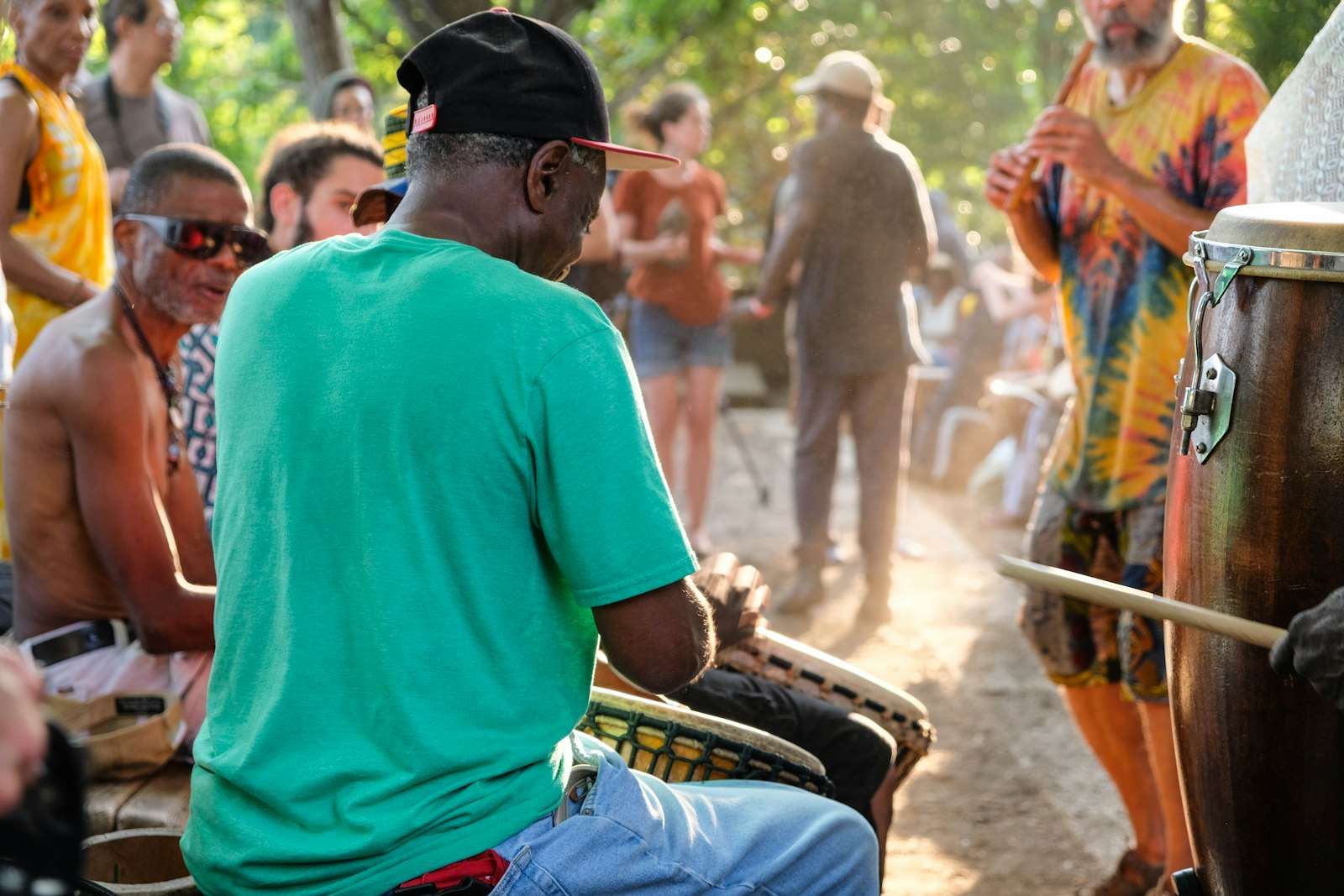
There is a pulse that exists beneath the noise of modern life. It is the steady, grounding thrum of the skin on wood, the metallic ring of a bell, and the collective heartbeat of people gathered in a circle. This is the drum community—a diverse, global network of individuals united by the ancient language of rhythm.
Whether you are holding a djembe for the first time or you are a seasoned conguero, entering this space is about more than just music. It is about finding a sense of belonging that is increasingly rare in our digital age. In this guide, we will explore what makes the drum community so special and how you can find your place within it.
The Heart of the Circle: What Defines a Drum Community?
At its core, a drum community is a group of people who use percussion as a tool for communication, celebration, and healing. Unlike a traditional band where there is a clear distinction between performer and audience, a drum circle often blurs these lines. Everyone is a participant.
In these spaces, you will find a mix of instruments: the deep, resonant bass of the African dununs, the sharp slap of a djembe, the intricate finger-work on a Middle Eastern doumbek, and the steady pulse of a frame drum. The community is defined by its inclusivity. It doesn't matter your age, profession, or skill level; if you can tap a beat, you have a voice.
The Benefits of Joining a Local Rhythm Group
Joining a drum community offers benefits that extend far beyond learning a new hobby. For many, it is a vital part of their mental and physical well-being.
- Stress Reduction: The rhythmic nature of drumming is meditative. It helps lower cortisol levels and allows participants to enter a 'flow state.'
- Social Connection: Drumming together releases oxytocin, the 'bonding hormone,' which helps strangers feel like family within a single session.
- Cultural Education: Engaging with the drum community often involves learning the history and traditions behind instruments like the conga or the bata, fostering a deeper respect for global cultures.
- Cognitive Health: Keeping time and learning complex call-and-response patterns keeps the brain sharp and improves coordination.
Types of Gatherings Within the Drum Community
Not all drum circles are the same. Depending on what you are looking for, you might find yourself in different types of rhythmic environments:
Community Drum Circles
These are often facilitated events, frequently held in parks or community centers. They are family-friendly and focus on improvisation and high-energy connection. They are the perfect entry point for beginners.
Traditional Study Groups
If you are interested in the technical mastery of a specific instrument, you might seek out drum teachers who lead study groups. These focus on traditional rhythms from West Africa, Cuba, or Brazil, emphasizing technique and historical context.
Therapeutic and Wellness Circles
Led by music therapists or health practitioners, these circles focus on the healing power of sound. They are often found in hospitals, schools, and wellness centers, using rhythm to help with trauma recovery or neurological conditions.
Full Moon and Spirit Circles
Many drum communities gather around natural cycles. Full moon drum circles are a staple in many cities, blending spirituality with rhythm to celebrate the change of seasons or lunar phases.
Etiquette: How to Be a Good Community Member
Every community has its unwritten rules. To ensure you contribute positively to the vibe of the circle, keep these etiquette tips in mind:
- Listen More Than You Play: The best drummers are the best listeners. Pay attention to the volume and tempo of the group.
- Support the Pulse: Don't feel the need to play a complex solo. Often, the most valuable thing you can do is hold down a steady beat that allows others to lean in.
- Ask Before Borrowing: If you see a beautiful instrument you’d like to try, always ask the owner first. Many drums are handmade and hold deep personal or spiritual significance.
- Follow the Facilitator: If the circle has a leader using hand signals to change the tempo or stop the music, give them your full attention.
How to Find Your People
Starting your journey into the drum community can feel intimidating if you don't know where to look. Fortunately, the community is notoriously welcoming to newcomers.
You can start by checking local community boards or searching for drum schools in your area that offer introductory workshops. For those who want to dive deeper, attending drumming retreats can be a life-changing way to immerse yourself in the culture for a weekend or longer.
If you are looking for a regular local gathering, the best place to start is by browsing the listings of drum circles near you. Most organizers are happy to answer questions via email before you show up for the first time.
The Future of the Drum Community
As we move further into a tech-driven world, the need for tactile, face-to-face connection grows. The drum community is evolving, incorporating digital tools to share rhythms across borders while maintaining the sacredness of the physical circle. From online workshops to international festivals and events, the beat goes on.
Whether you are looking for a way to de-stress after work or a lifelong path of musical mastery, the drum community has a seat waiting for you. All you have to do is pick up a drum and join the pulse.
Frequently asked
- Do I need to own a drum to join a drum community?
- No, many community drum circles provide extra instruments for newcomers to use. However, as you become more involved, you may want to purchase your own djembe or frame drum to practice at home and develop your own sound.
- Are drum circles open to beginners?
- Absolutely. Most drum circles are designed to be inclusive and do not require any prior musical experience. Facilitators are usually present to help guide the rhythm and ensure everyone feels comfortable participating.
- What is the difference between a drum circle and a drum class?
- A drum circle is generally focused on improvisation, community connection, and the collective experience. A drum class is a structured environment led by a teacher to help you learn specific techniques, rhythms, and the cultural history of an instrument.
Find a drum circle near you
Browse hundreds of circles, teachers and rhythm community gatherings.
Explore drum circles