Drum Events Near Me: How to Find Your Local Rhythm Community
Discover the magic of community drumming and learn how to locate the best drum circles, workshops, and festivals in your local area.
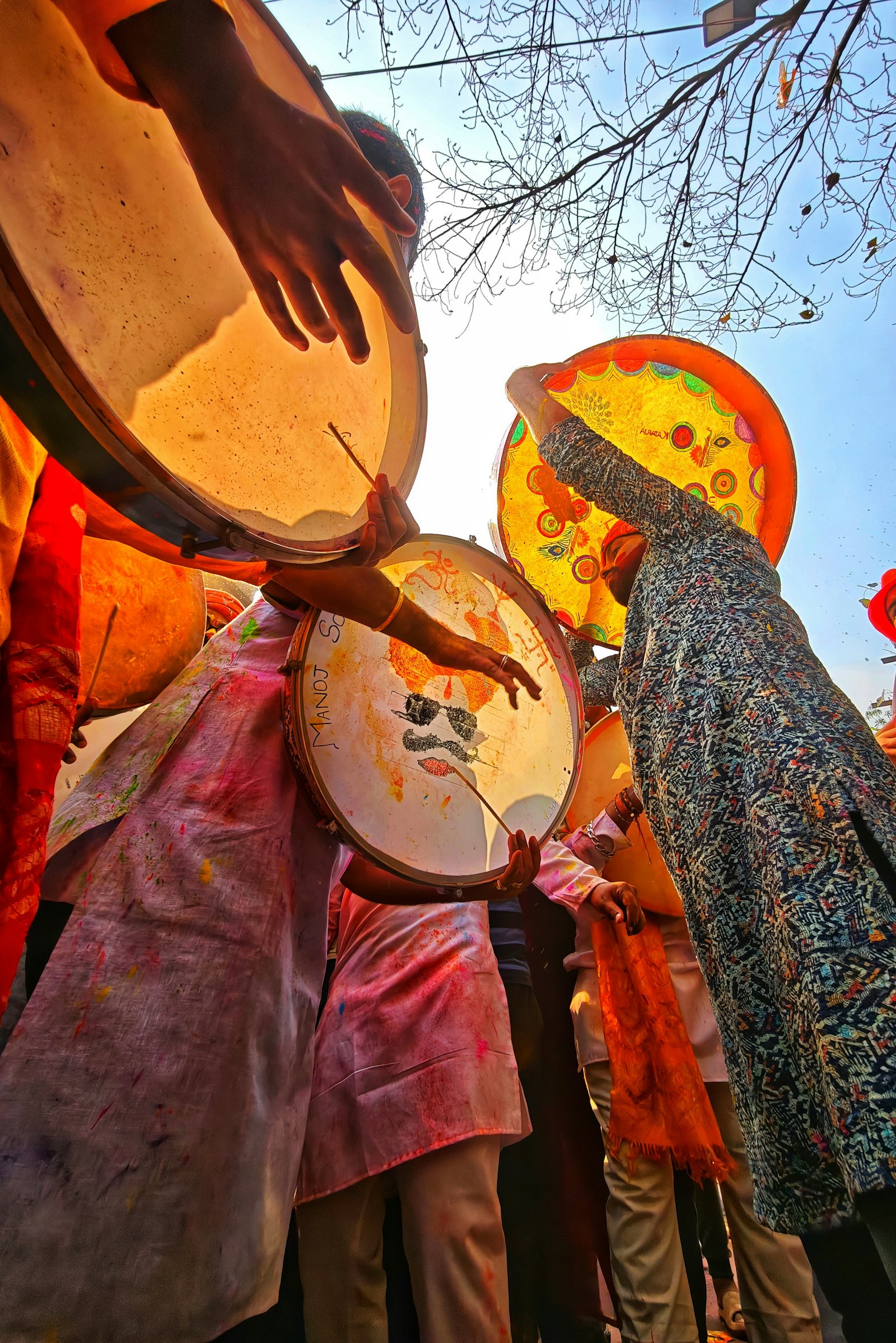
There is a specific kind of magic that happens when a group of people comes together to strike a drum in unison. It starts as a single pulse—a heartbeat—and grows into a complex tapestry of sound that transcends language and culture. If you have been searching for "drum events near me," you aren't just looking for a concert or a show; you are looking for a connection.
Whether you are a seasoned percussionist with a collection of professional congas or a curious beginner who has never touched a djembe, the world of community drumming is open to you. This guide will help you navigate the different types of gatherings available and show you how to find the perfect rhythm home in your neighborhood.
Understanding the Different Types of Drum Events
Not all drum events are created equal. Depending on your goals—whether you want to learn a specific African rhythm, meditate with a frame drum, or just let loose at a community jam—it helps to know what you are looking for.
- Community Drum Circles: These are typically open-to-all gatherings where the focus is on improvisation and connection rather than performance. They are often held in parks, community centers, or on beaches during a full moon.
- Facilitated Drum Circles: Led by a professional rhythm facilitator, these events use games and call-and-response techniques to help the group find their groove. These are excellent for beginners.
- Instructional Workshops: If you want to master the 'slap' and 'tone' on your djembe or learn the intricate stick-work of the dununs, look for workshops hosted by local drum teachers.
- Rhythm Festivals: These are larger, multi-day events that often feature performances, masterclasses, and late-night campfire jams.
What to Expect at Your First Community Drum Circle
Walking into a circle for the first time can feel intimidating, but the drumming community is famously inclusive. Most events follow a "come as you are" philosophy. You will likely see a diverse mix of instruments: West African djembes, Middle Eastern doumbeks, Native American frame drums, and perhaps even some recycled plastic buckets.
When you arrive, take a moment to observe. Most circles have an inner ring for experienced players and an outer ring for those who prefer to listen or play softly. If you don't own an instrument, don't worry—many facilitators provide a "loaner" basket of shakers, cowbells, and hand drums for newcomers to use.
The Health Benefits of Group Drumming
Searching for "drum events near me" might be the best thing you do for your health this year. Science has caught up with what indigenous cultures have known for millennia: drumming is deeply therapeutic.
Research shows that group drumming can reduce cortisol levels, boost the immune system, and even help manage chronic pain. The rhythmic entrainment—the process where your internal rhythms synchronize with the external beat—creates a state of "flow" that calms the nervous system. It is a form of active meditation that is accessible to everyone, regardless of musical talent.
Finding Family-Friendly Drumming Gatherings
Drumming is one of the few activities where a three-year-old and an eighty-year-old can participate on equal footing. Many local events are specifically billed as family-friendly. These gatherings often take place in the afternoon and focus on simple, high-energy rhythms that keep kids engaged.
If you are looking to deepen your family's connection to music, consider checking out local drum schools. Many offer "Mommy and Me" rhythm classes or youth percussion ensembles that provide a structured way for children to learn the cultural history behind the instruments they are playing.
Essential Etiquette for New Drummers
To ensure you have the best experience at local drum events, keep these unwritten rules of the circle in mind:
- Listen as Much as You Play: The best drummers aren't the loudest; they are the ones who support the collective groove.
- Ask Before Playing Someone Else's Drum: Hand drums are personal and often expensive. Always ask for permission before trying out a neighbor's instrument.
- Support the Pulse: If the rhythm gets complex, return to the "heartbeat" (the basic 1-2-3-4 pulse) to help ground the group.
- Remove Jewelry: Rings and bracelets can damage the skin of a drum and create unpleasant metallic clicking sounds.
Taking the Next Step: Retreats and Intensives
Once you have caught the "drum bug" at a local event, you might find yourself wanting to dive deeper. This is where drumming retreats come into play. These are immersive experiences, often held in beautiful natural settings, where you can spend several days focused entirely on rhythm, movement, and community building. It is a powerful way to accelerate your learning and forge lifelong friendships with fellow rhythm seekers.
How to Locate Drum Events in Your Area
The easiest way to find a gathering is to use a dedicated resource. While social media can be helpful, it is often cluttered. Our directory is designed to connect you directly with the pulse of your city. Whether you are looking for a weekly park jam or a professional masterclass, the right beat is waiting for you.
Find a drum circle near you today.
Frequently asked
- Do I need to bring my own drum to a drum event?
- Not necessarily! Many community drum circles and facilitated events provide 'loaner' instruments for beginners. However, it is always a good idea to check the event description or contact the organizer beforehand to ensure instruments will be available.
- Are drum circles suitable for people with no musical experience?
- Absolutely. Drum circles are about community and expression rather than technical perfection. Most circles are 'open,' meaning they welcome all skill levels, and facilitators are there to help guide you into the rhythm even if you've never played before.
- What is the difference between a drum circle and a drum class?
- A drum circle is focused on spontaneous, group-led improvisation and social connection. A drum class or workshop is led by a teacher and focuses on learning specific techniques, traditional rhythms, and the cultural history of the instrument.
Find a drum circle near you
Browse hundreds of circles, teachers and rhythm community gatherings.
Explore drum circles