Drum Jams Near Me: A Guide to Finding Your Local Rhythm
Discover the magic of community percussion and learn how to find the best local drum jams, whether you are a djembe pro or a first-time shaker player.
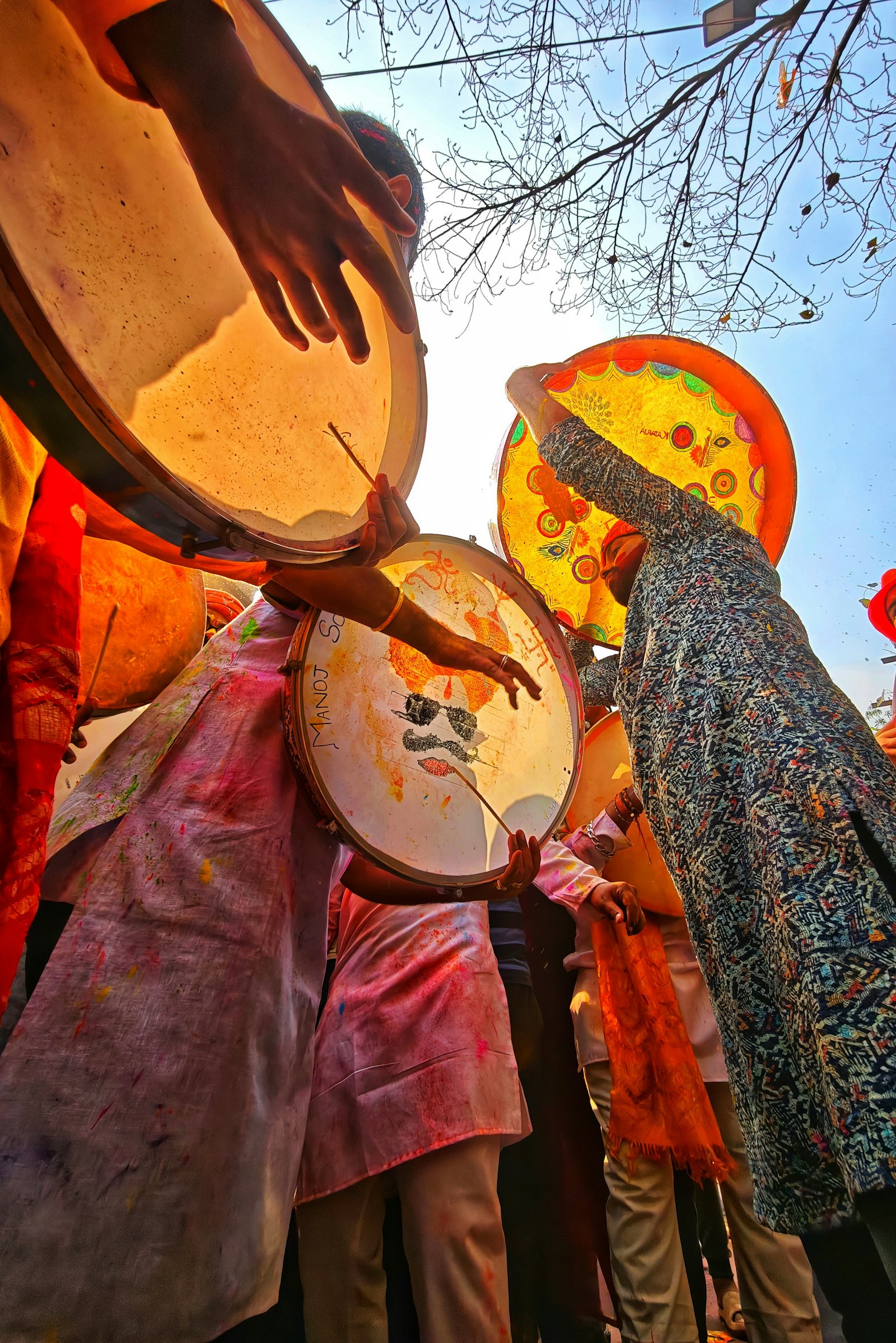
There is a specific kind of magic that happens when a group of strangers sits in a circle, instruments in hand, and begins to play. It starts with a single heartbeat—usually a deep, resonant tone from a djembe or a dunun—and evolves into a complex, soaring tapestry of sound. If you have been searching for "drum jams near me," you aren't just looking for a musical performance; you are looking for a community.
Drum jams, often referred to as community drum circles, are inclusive gatherings where people of all skill levels come together to improvise. Unlike a structured concert, there is no audience. Everyone is a participant. Whether you are holding a professional-grade conga or a simple plastic shaker, your contribution is part of the collective pulse.
Why Search for a Local Drum Jam?
In our increasingly digital world, the physical act of drumming with others offers a rare sense of groundedness. People flock to local rhythm events for various reasons, ranging from the health benefits of stress reduction to the simple joy of creative expression.
When you find a jam in your area, you are tapping into:
- Stress Relief: The rhythmic vibrations help lower cortisol levels and induce a state of flow.
- Social Connection: Drumming bridges gaps between ages, cultures, and backgrounds.
- Musical Growth: Playing with others is the fastest way to improve your sense of timing and improvisation.
- Wellness: Many find the experience to be a form of active meditation.
Understanding the Different Types of Drum Jams
Not all drum circles are created equal. When browsing local events, it helps to know what kind of environment you are walking into.
Facilitated Drum Circles
In a facilitated circle, a leader (the facilitator) stands in the center to guide the energy. They use hand signals to manage volume, start and stop the group, and lead "call-and-response" patterns. These are ideal for beginners because the facilitator ensures the rhythm stays cohesive.
Free-Form or "Organic" Jams
These are more common at beaches, parks, or full-moon gatherings. There is no central leader. The rhythm evolves naturally based on whoever is playing the loudest or most consistent beat. These jams can be high-energy and trance-like, often featuring dancers in the center.
Culturally Specific Circles
You might find jams focused specifically on West African traditions (djembe and dunun), Middle Eastern rhythms (doumbek and riq), or Afro-Cuban styles (congas and bongos). These often involve more specific traditional patterns rather than pure improvisation.
Essential Instruments for Your First Jam
You don’t need an expensive kit to join a drum jam. In fact, many circles provide "loaner" instruments for newcomers. However, if you want to bring your own, here are the most common choices:
- Djembe: The most popular drum-circle instrument. It offers a wide range of sounds, from deep basses to sharp slaps.
- Doumbek: A goblet-shaped drum from the Middle East that provides crisp, metallic tones.
- Frame Drum: A portable, ancient instrument played with the hands or a mallet.
- Cajon: A box drum you sit on, providing a snare-like sound that fits well in acoustic jams.
- Auxiliary Percussion: Shakers, cowbells, woodblocks, and tambourines are the "glue" that holds a rhythm together.
If you find yourself falling in love with a specific instrument, we recommend connecting with drum teachers to learn the proper technique and prevent hand fatigue.
Drum Circle Etiquette: Tips for Newcomers
Walking into your first jam can be intimidating, but drum communities are notoriously welcoming. Following a few unwritten rules will help you find your groove quickly:
- Listen First: Before you start playing, listen to the existing beat for a minute. Try to find the "heartbeat" (the downbeat) and lock in with it.
- Leave Space: You don't have to play on every single beat. Leaving "holes" in the rhythm allows other instruments to be heard.
- Respect the Facilitator: If someone is facilitating, keep your eyes on them for cues to fade out or speed up.
- Ask Before Borrowing: Never play someone else's drum without asking. Many drums are handmade and hold deep personal or spiritual value to the owner.
- Support the Bottom: If the rhythm feels messy, return to a simple, steady pulse on a low-toned drum. This helps ground the group.
How to Find the Best Drum Jams Near You
Finding a consistent circle used to be a matter of word-of-mouth, but today, there are several ways to locate your tribe.
Start by checking local community centers, New Age bookstores, and music shops. Parks and beaches are also prime locations, especially on weekend afternoons or during full moons. If you are looking for a more structured learning environment, visiting drum schools can lead you to student-led jams that are very beginner-friendly.
For those who want to dive deeper, drumming retreats offer immersive experiences where you can jam for days at a time in beautiful settings, often led by master drummers.
Finding Your Place in the Circle
Ultimately, a drum jam is a microcosm of a healthy community. It requires listening, contributing, and respecting the collective voice. Whether you are looking to heal, to learn, or simply to make some noise, there is a seat waiting for you.
Don't worry about being "good enough." In a drum circle, the only mistake is not playing at all. The rhythm is already inside you—you just need to find the right place to let it out.
Find a drum circle near you.
Frequently asked
- Do I need to bring my own drum to a jam?
- While many regulars bring their own djembe or conga, many community jams provide extra percussion like shakers or loaner drums. It is always a good idea to check the event description or arrive early to see if extras are available.
- What if I have no musical experience?
- Drum jams are perfect for beginners. Most circles focus on community and connection rather than technical perfection. If you can clap your hands, you can participate in a drum jam.
- Are drum jams family-friendly?
- Most community drum circles are highly inclusive and family-friendly, often attracting everyone from toddlers to seniors. However, some late-night beach jams or specific indoor events might be geared more toward adults, so check the venue beforehand.
Find a drum circle near you
Browse hundreds of circles, teachers and rhythm community gatherings.
Explore drum circles