Drum Lessons Near Me: Find Your Rhythm with Expert
Discover how to find the perfect drum teacher or school to master the djembe, conga, or drum kit and join a thriving rhythmic community.
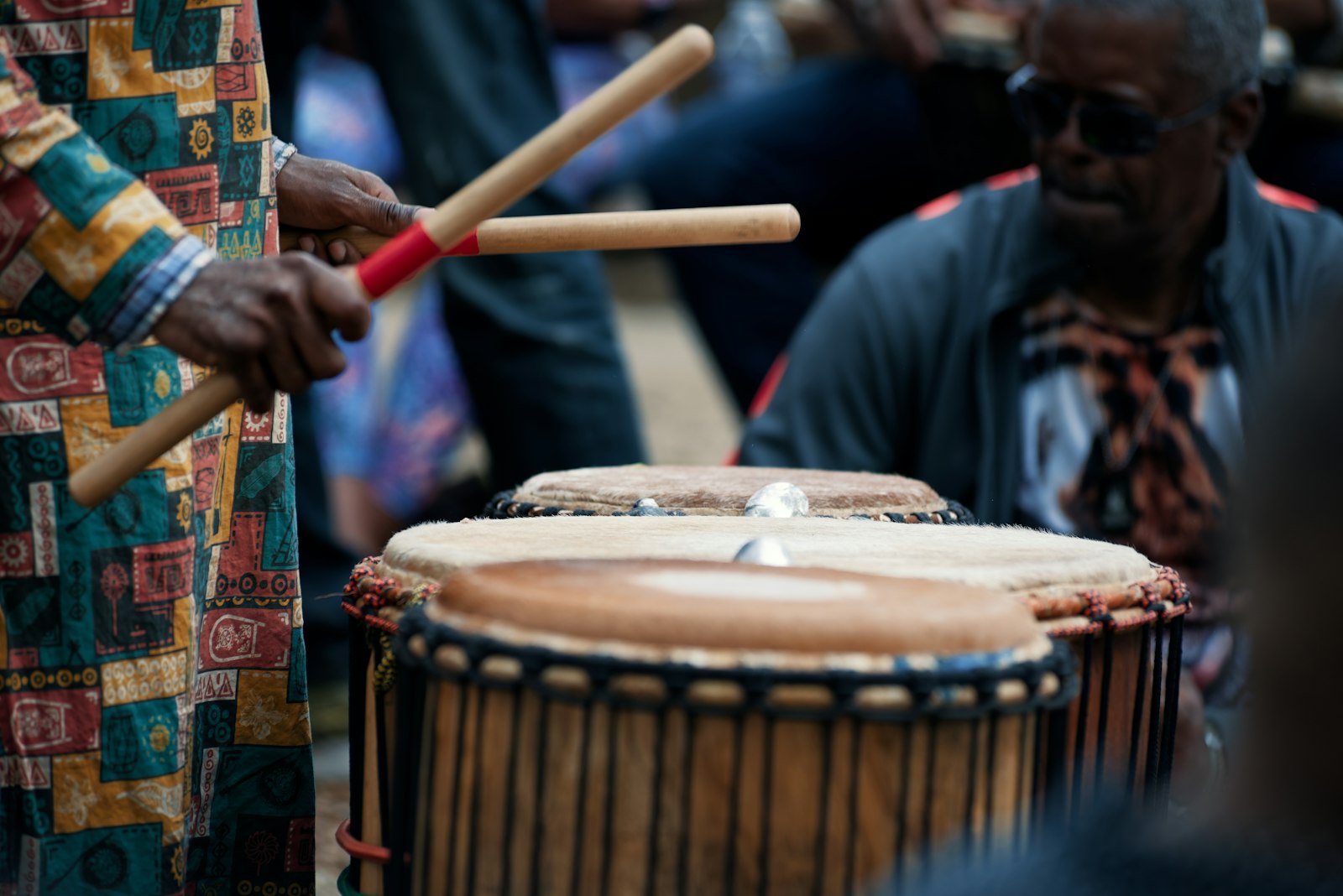
There is a primal pull in the sound of a drum that speaks to everyone. Whether it is the deep, earthy thrum of a djembe or the sharp, articulate pop of a doumbek, drumming is more than just keeping time—it is a language of expression and a gateway to community. If you have found yourself searching for "drum lessons near me," you are likely ready to move beyond casual tapping and into the world of intentional rhythm.
Finding the right instructor is the first step in a lifelong journey. From learning the basic bass and tone strokes to mastering complex polyrhythms, formal instruction provides the foundation you need to play with confidence, whether you are in a practice room or a crowded community circle.
Why In-Person Drum Lessons Matter
While the internet is full of video tutorials, nothing replaces the tactile feedback of a professional instructor. In-person lessons allow a teacher to observe your posture, the angle of your wrists, and the way your hands strike the skin of the drum. This is particularly vital for hand drummers playing instruments like the conga or djembe, where improper technique can lead to strain or injury.
A local teacher provides immediate correction and encouragement. They can introduce you to the nuances of "call-and-response"—a fundamental aspect of traditional West African and Afro-Cuban drumming—where you learn to listen as much as you play. Furthermore, local drum teachers often serve as your bridge to the local music scene, alerting you to upcoming workshops and jams.
Choosing Your Instrument: From Djembe to Drum Kit
Before you book your first session, consider which rhythmic path calls to you. Many students start their search for "drum lessons near me" with a specific instrument in mind, while others are open to exploration.
- The Djembe: Perhaps the most popular hand drum globally, known for its wide range of frequencies and communal spirit.
- The Congas: Essential for Latin rhythms, requiring specific palm-and-finger techniques.
- The Frame Drum: One of the oldest instruments, often used in meditative and spiritual drumming practices.
- The Dunun: These cylindrical drums provide the melodic heartbeat for djembe ensembles.
- The Modern Drum Set: Perfect for those looking to play in rock, jazz, or pop bands.
Many drum schools offer introductory sessions where you can try various instruments before committing to a full course. This hands-on experience is invaluable in finding the sound that resonates with your personal energy.
What to Expect in Your First Few Lessons
Your initial lessons will focus on the "alphabet" of rhythm. For hand drummers, this means mastering the three basic sounds: the Bass, the Tone, and the Slap. Your teacher will emphasize the importance of a relaxed grip and the "rebound"—letting the hand bounce off the drum head to allow the sound to breathe.
You will also learn about timing and notation. You don't necessarily need to read traditional sheet music to be a great drummer, but understanding rhythmic subdivisions (quarter notes, eighth notes, and triplets) is crucial. Most importantly, your teacher will help you develop your "internal clock," the steady pulse that allows you to play in sync with others.
Moving from Private Lessons to Community Circles
Learning in a vacuum can only take you so far. The true magic of drumming happens when rhythms interlock with others. Once you have a few months of lessons under your belt, your teacher will likely encourage you to attend drum circles.
These gatherings are the ultimate testing ground for your skills. Unlike a formal performance, a community drum circle is a collaborative space. You will practice maintaining a steady beat while others improvise, and you'll learn the etiquette of the circle—such as listening to the facilitator and leaving space for the "low-end" heartbeat of the dununs. It is here that the lessons you've taken truly come to life.
Finding the Right Drum School or Private Teacher
When searching for "drum lessons near me," look for instructors who align with your goals. Are you looking for a rigorous, academic approach to percussion? Or are you seeking a more intuitive, community-focused experience?
- Credentials and Experience: Look for teachers who have a history of both performing and teaching. A great player isn't always a great teacher.
- Specialization: If you want to learn the doumbek, find a teacher who specializes in Middle Eastern rhythms rather than a generalist.
- Trial Lessons: Many teachers offer a discounted first lesson. Use this to see if your personalities mesh.
- Community Connection: Ask if the school hosts student recitals or participates in local events.
Health and Wellness Benefits of Drumming
Beyond the musical skill, there is a reason so many people are drawn to drumming for their well-being. Scientific studies have shown that rhythmic drumming can reduce stress, lower blood pressure, and even boost the immune system. The focused, repetitive nature of drumming creates a state of "flow" similar to meditation.
When you take drum lessons, you aren't just learning a hobby; you are investing in a tool for mental clarity. Group drumming, in particular, releases endorphins and fosters a sense of belonging that is hard to find elsewhere. Many students find that their weekly lesson becomes the highlight of their week—a dedicated hour to disconnect from the digital world and reconnect with their own heartbeat.
Taking Your Skills Further: Retreats and Workshops
Once you have moved beyond the beginner stage, you might find yourself craving a deeper immersion. This is where drumming retreats come into play. These intensives often take place in beautiful, natural settings and offer the chance to study with master drummers for several days at a time.
A retreat allows you to move past the basics and into the cultural history and spiritual significance of the rhythms you are playing. It is a transformative experience that can turn a casual interest into a lifelong passion.
Ready to start your journey? Whether you are looking for a one-on-one mentor or a vibrant school environment, the right instruction is waiting for you.
Find a drum circle near you to see the power of rhythm in action.
Frequently asked
- Do I need to own a drum before starting lessons?
- Not necessarily. Many teachers and drum schools provide instruments for students to use during their first few lessons. However, having your own djembe or practice pad at home is highly recommended so you can reinforce what you learn through daily practice.
- How long does it take to learn the drums?
- While you can learn basic rhythms in just a few sessions, mastering the drums is a lifelong journey. Most students feel comfortable participating in a community drum circle after 3 to 6 months of consistent weekly lessons and practice.
- Are drum lessons suitable for adults with no musical background?
- Absolutely. Drumming is one of the most accessible forms of music. Because it is based on natural body movements and internal pulse, adults of all ages can find success and joy in drumming, even if they have never picked up an instrument before.
Find a drum circle near you
Browse hundreds of circles, teachers and rhythm community gatherings.
Explore drum circles