
Unplug and Reconnect: The Ultimate Guide to Drum Retreats
Escape the noise of daily life and find your rhythm with our comprehensive guide to the world's most transformative drum retreats.
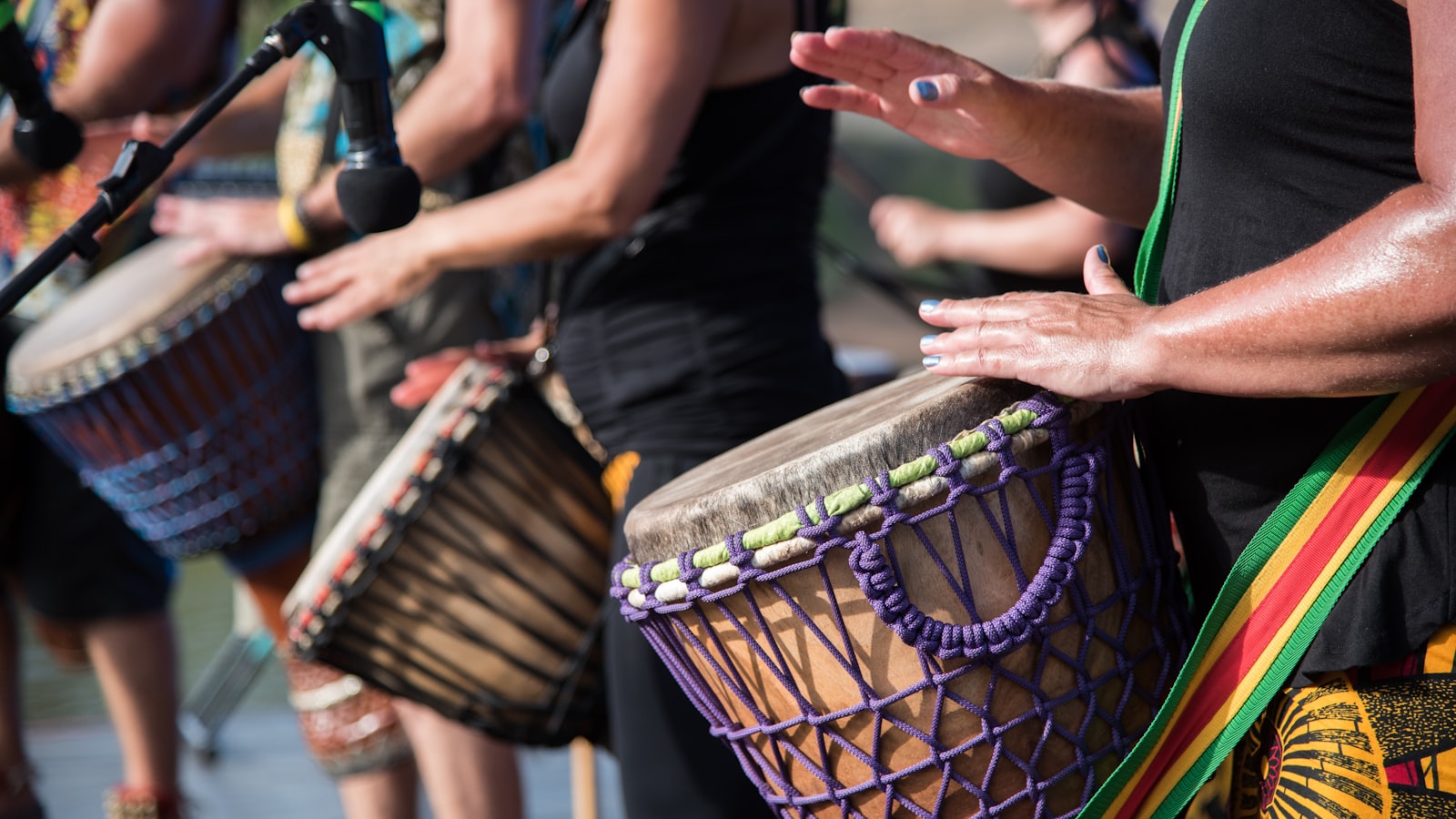
There is something primal and profoundly healing about the sound of a drum. When you step away from the digital buzz of modern life and enter a space dedicated entirely to rhythm, your perspective shifts. This is the core appeal of drum retreats—immersive experiences that combine travel, community, and the ancient art of the beat.
Whether you are a seasoned percussionist looking to master complex polyrhythms on the djembe or a curious beginner who has never picked up a frame drum, a retreat offers the time and space to grow in ways a weekly one-hour class simply cannot. In this guide, we explore what makes these gatherings so special and how to choose the right one for your journey.
Why Attend a Drumming Retreat?
Unlike a standard music workshop, a drum retreat is an immersive ecosystem. You aren't just learning techniques; you are living them. Most retreats are held in nature—think coastal villages in West Africa, redwood forests in California, or serene mountains in the Appalachian range. This setting allows for a 'deep dive' into the music.
Participants often report a sense of 'rhythmic entrainment,' where the group begins to breathe and move as one. This collective experience fosters deep bonds, often leading to lifelong friendships. Beyond the music, these events frequently incorporate yoga, meditation, and healthy communal meals, making them a holistic reset for the mind and body.
Types of Drum Retreats Around the World
Not all retreats are created equal. Depending on your interests, you might find yourself in one of several different environments:
- Cultural Immersion Camps: These often take place in the ancestral homes of the instruments. For example, djembe and dunun intensives in Guinea or Mali, or conga and bongo workshops in Cuba. These are high-energy, rigorous, and deeply rooted in tradition.
- Wellness and Healing Retreats: These focus on the therapeutic power of the drum. Using frame drums or gentle hand percussion, these gatherings emphasize mindfulness, stress reduction, and the 'heartbeat' rhythm.
- Facilitator Training: For those who want to lead their own groups, these retreats focus on the art of drum circle facilitation, teaching you how to manage group dynamics and inspire community play.
- Family-Friendly Gatherings: These are inclusive spaces where children and adults can learn side-by-side, often featuring campfire circles and storytelling.
If you are looking for specific dates and locations, our directory of drumming retreats is a great place to start your search.
Essential Instruments You’ll Encounter
While some retreats provide instruments, many participants prefer to bring their own. Depending on the focus of the retreat, you’ll likely see a diverse array of percussion:
- Djembe: The classic West African hand drum known for its sharp slaps and deep bass.
- Dunun: The cylindrical drums played with sticks that provide the melodic foundation for djembe rhythms.
- Congas and Bongos: Essential for Afro-Cuban styles.
- Doumbek and Darbuka: Goblet-shaped drums common in Middle Eastern rhythmic traditions.
- Frame Drums: One of the world's oldest instruments, often used in spiritual and shamanic drumming practices.
What to Expect: A Typical Day in the Circle
A day at a drum retreat is structured yet flowing. It usually begins with a morning warm-up—perhaps some light stretching or a 'morning pulse' to wake up the hands.
After breakfast, you’ll likely move into intensive morning sessions. This is where the technical work happens: practicing call-and-response patterns, refining your tone, and learning specific traditional rhythms. After a communal lunch, afternoons might feature elective workshops—perhaps a session on the shekere or a masterclass with a guest drum teacher.
Evenings are usually reserved for the 'big circle.' This is the time for free-play, dancing, and celebrating the progress made during the day. Under the stars or around a fire, the formal lessons drop away, and the pure joy of the rhythm takes over.
Preparing for Your First Retreat
Preparation is key to getting the most out of your experience. First, consider your physical stamina. Drumming for six to eight hours a day can be taxing on the hands and back. Start practicing shorter sessions at home to build up your calluses and core strength.
Packing is also vital. In addition to your drum, remember:
- Ear protection: Even acoustic drums can get loud in a group setting.
- Hand care: Shea butter or specialized 'drummer's salve' helps keep your skin from cracking.
- Recording device: With permission, recording your lessons is the best way to remember complex patterns once you return home.
If you aren't ready for a full week away, consider attending local events or weekend intensives to build your confidence.
Finding the Right Community
The most important part of any retreat is the people. Every gathering has its own 'vibe'—some are academic and strict, while others are loose and celebratory. Read reviews, watch videos of past years, and don't be afraid to reach out to the organizers with questions about the skill level required.
Many people find their first retreat leads them to seek out a more permanent rhythm community back home. If you've returned from a trip and are missing that collective energy, you can always search for a drum circle near you to keep the spark alive.
Conclusion: The Long-Term Impact of Rhythm
A drum retreat is more than just a vacation; it is an investment in your well-being and your craft. You will return home with more than just new rhythms; you’ll have a clearer mind, a stronger sense of community, and a deeper connection to the universal language of the beat. The world is full of rhythm—all you have to do is find the circle that calls to you.
Find a drum circle near you and start your rhythmic journey today.
Frequently asked
- Do I need to be an expert drummer to attend a retreat?
- Not at all. Most drum retreats offer different tracks for beginners, intermediate players, and advanced students. Always check the event description, but many facilitators pride themselves on being inclusive to all skill levels.
- Should I bring my own drum to a retreat?
- It depends on the location. For domestic retreats, most people prefer their own instrument. For international travel, many organizers provide high-quality rentals or have drums available for purchase on-site to save you the hassle of flying with a large djembe.
- What are the health benefits of a drumming retreat?
- Drumming has been shown to reduce cortisol levels, boost the immune system, and promote a sense of emotional release. Combining these benefits with the fresh air and digital detox of a retreat setting creates a powerful environment for stress relief and mental clarity.
Find a drum circle near you
Browse hundreds of circles, teachers and rhythm community gatherings.
Explore drum circles