Top Drum Schools in the USA: Find Your Rhythm Today
Discover the best drum schools in the USA to master the djembe, congas, or frame drum through expert-led classes and community rhythm programs.
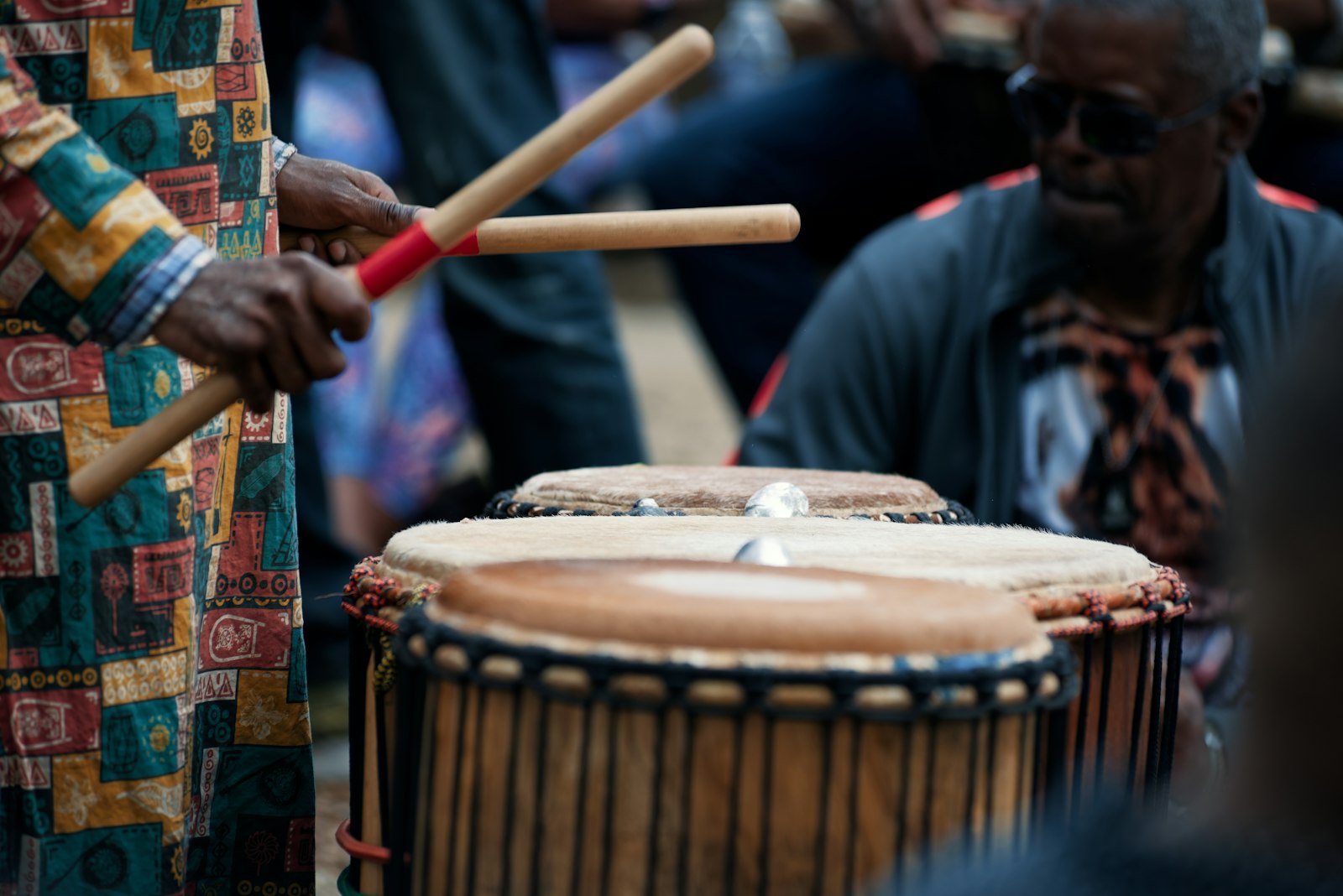
There is a specific kind of magic that happens when you strike a drum for the first time and feel the vibration travel from the goat-skin head of a djembe through your palms and into your chest. For many, that first beat is the start of a lifelong journey. Whether you are drawn to the intricate polyrhythms of West Africa, the soulful pulse of Afro-Cuban congas, or the meditative resonance of a frame drum, finding the right guidance is essential.
Across the United States, a vibrant network of percussion academies and community-based programs offers students the chance to move beyond basic patterns and into the heart of rhythmic expression. If you have been searching for "drum schools in the USA," you are likely looking for more than just a technique class—you are looking for a community.
Why Join a Dedicated Drum School?
While self-taught drumming has its merits, a structured environment provides the foundation necessary to prevent injury and master complex timing. Professional drum schools offer several advantages that YouTube tutorials simply cannot match:
- Proper Technique: Learning the correct way to hit a bass, tone, and slap ensures you don't strain your wrists or fingers.
- Cultural Context: Understanding the history behind the rhythms—such as the traditional uses of the Dunun in Mali or the ceremonial roots of the Batá—enriches the playing experience.
- Real-Time Feedback: An instructor can see if your posture is off or if your timing is dragging, providing immediate corrections.
- Community Connection: Drumming is a social art. Schools often host student showcases and facilitate connections to local drum circles.
Popular Instruments Taught in US Drum Schools
Most schools specializing in hand percussion focus on a few core traditions. Here are the instruments you will most likely encounter in a professional curriculum:
The Djembe and Dunun
Originating from West Africa, the djembe is perhaps the most popular hand drum in the world. Schools focusing on Mandingue traditions often teach the djembe alongside the dunun (the bass drums played with sticks), emphasizing the call-and-response relationship between the instruments.
Afro-Cuban Percussion (Congas and Bongos)
If you are interested in Salsa, Latin Jazz, or Rumba, look for schools that specialize in the congas (tumbadoras). These classes often cover specific patterns like the tumbao and help students master the difficult "open slap" technique.
Middle Eastern Doumbek and Frame Drums
For those interested in odd time signatures (like 7/8 or 9/8), Middle Eastern percussion schools offer training in the doumbek (or darbuka) and various frame drums like the riq or tar. These instruments require delicate finger-work and a high level of precision.
What to Look for in a Drumming Program
Not every music school is created equal. When evaluating drum teachers and institutions, consider the following factors:
- Specialization: Does the school focus on kit drumming (rock/jazz) or hand percussion? Ensure their expertise aligns with your instrument of choice.
- Class Size: Smaller groups allow for more individual attention, which is vital for beginners learning hand placement.
- Instruments Provided: Some schools provide drums for use during class, which is a great way for beginners to start before investing in their own professional-grade instrument.
- Performance Opportunities: Look for schools that organize community jams or public recitals. This builds confidence and helps you transition from a student to a performer.
From the Classroom to the Circle
The ultimate goal for many students is to take their skills into a live setting. Many top-tier schools are closely affiliated with local events and gatherings. Learning the etiquette of a circle—such as listening more than you play and respecting the "center" of the rhythm—is a core part of the curriculum at many community-driven schools.
Once you have mastered the basics of your instrument, you might even consider deepening your practice through drumming retreats. these immersive experiences allow you to live and breathe rhythm for several days, often in beautiful natural settings that enhance the spiritual side of the craft.
Finding the Best Drum Schools Near You
Whether you are in a major hub like New York, Los Angeles, or Chicago, or in a smaller community, there is likely a rhythm master nearby ready to share their knowledge. Many instructors now offer hybrid models, combining in-person group classes with private Zoom sessions for technical refinement.
To find a local program that fits your schedule and style, you can browse our comprehensive listings. We connect students with the most respected facilitators and educators in the country, ensuring that the heartbeat of your community stays strong.
Find a drum circle near you at Drum Circle Directory.
Frequently asked
- Do I need to own a drum before I start classes?
- Many drum schools provide 'loaner' drums for beginners during their first few sessions. However, it is highly recommended to eventually purchase your own djembe or conga so you can practice the hand techniques and muscle memory at home between classes.
- How long does it take to learn hand drumming?
- While you can learn basic sounds (bass, tone, slap) in a single afternoon, mastering traditional rhythms and developing the hand strength for long sessions usually takes several months of consistent practice. Most schools offer 6-to-12-week introductory courses to get students comfortable.
- Are drum schools suitable for children?
- Yes, many schools offer family-friendly classes or specific youth programs. Drumming is excellent for developing coordination, focus, and social skills in children, and many instructors use 'game-based' learning to keep younger students engaged with the rhythm.
Find a drum circle near you
Browse hundreds of circles, teachers and rhythm community gatherings.
Explore drum circles