
Drumming for Anxiety: Finding Your Rhythm and Peace of Mind
Discover how the ancient practice of group drumming can lower cortisol, reduce stress, and provide a rhythmic path to emotional grounding.
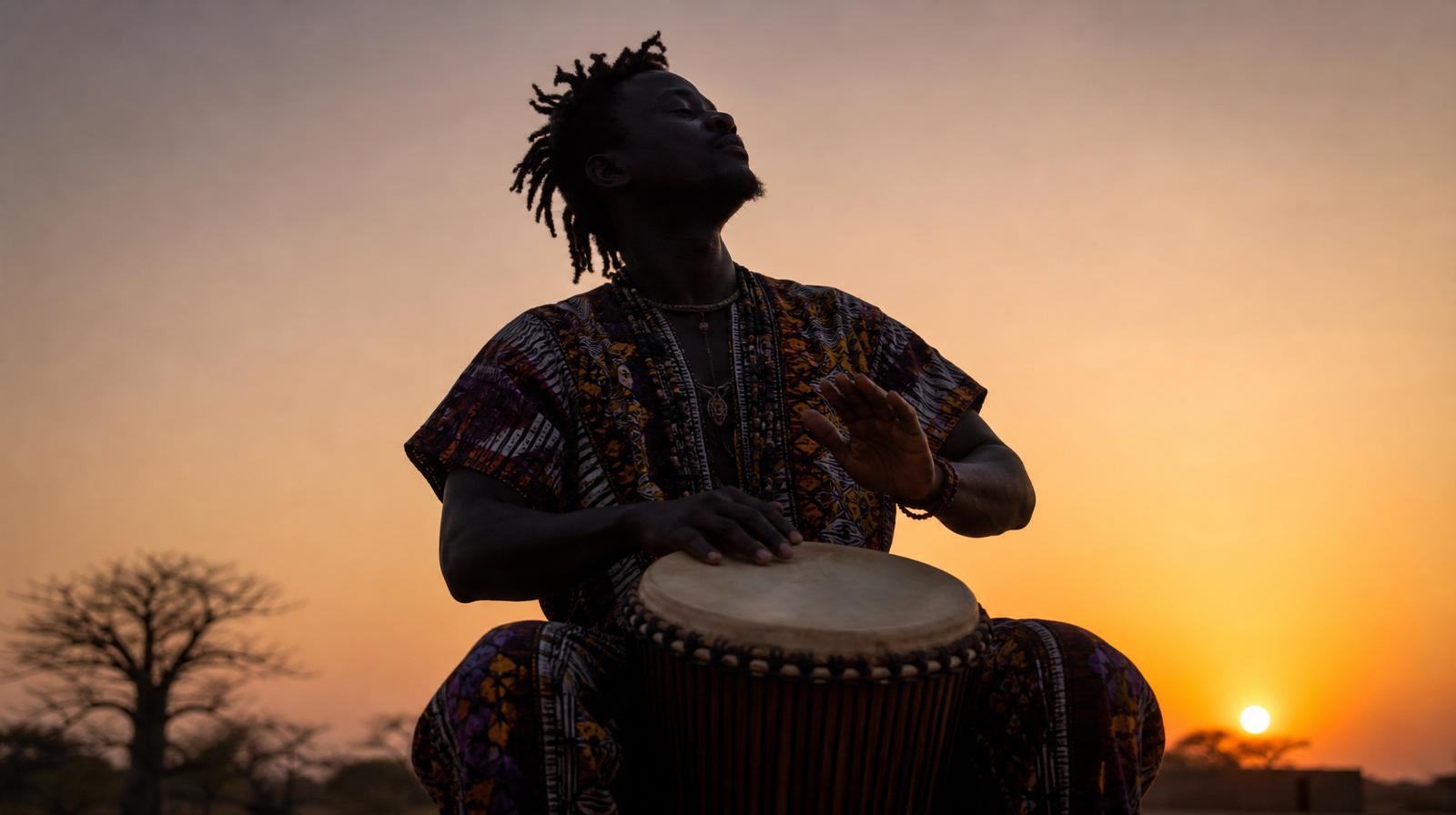
In a world that feels increasingly loud, chaotic, and unpredictable, the search for stillness often leads us to an unexpected place: the center of a drum. While it might seem counterintuitive that a loud, percussive activity could soothe a frayed nervous system, the practice of drumming for anxiety is backed by both ancient wisdom and modern neuroscience.
Whether it is the steady pulse of a djembe or the deep, grounding resonance of a buffalo drum, rhythm has a unique way of bypassing the analytical mind and speaking directly to the body. For those struggling with racing thoughts or the physical tension of stress, picking up a pair of sticks or using your bare palms on a drumhead can be a transformative act of self-care.
The Science of Rhythm: Why Your Brain Loves the Beat
When we talk about drumming for anxiety, we aren't just talking about a hobby; we are talking about biological entrainment. Entrainment occurs when our internal rhythms—such as heart rate or brain waves—align with an external rhythmic stimulus.
Research has shown that group drumming can actually lower cortisol levels and increase the production of endorphins. When you participate in a drum circle, your brain begins to shift from the high-frequency Beta waves (associated with concentration and anxiety) to the slower Alpha and Theta waves. This shift is similar to what happens during deep meditation, allowing the mind to rest while the body remains active.
Grounding Through the Hands: Djembe, Congas, and Frame Drums
Anxiety often feels like "living in your head." Drumming forces you back into your body. The tactile sensation of skin hitting skin—whether you are playing a bass note on a djembe or a sharp slap on a pair of congas—provides immediate sensory feedback.
- The Djembe: Its deep bass notes vibrate in the chest, helping to ground the player.
- The Frame Drum: Often used in melodic, trance-like rhythms, it encourages slow, rhythmic breathing.
- The Doumbek: The intricate fingerwork required for this Middle Eastern drum helps focus the mind on the present moment, acting as a form of "active mindfulness."
By focusing on the technique of the stroke and the quality of the sound, the "noise" of anxious thoughts begins to fade into the background.
The Power of Community and the Drum Circle
One of the most isolating aspects of anxiety is the feeling of being alone in your struggle. This is where the community aspect of drumming becomes vital. In a drum circle, there is no "wrong" note. The collective beat creates a safety net of sound where every participant is a necessary part of the whole.
In these gatherings, facilitators often lead call-and-response exercises. This requires active listening and social synchronization, which can help break the cycle of social anxiety. You aren't being judged on your soloing ability; you are being welcomed into a shared human experience that has existed for millennia. Many people find that attending local rhythm events provides a sense of belonging that is often missing in modern digital life.
Rhythmic Breathing and the Vagus Nerve
Deep breathing is the cornerstone of anxiety management. Drumming naturally regulates the breath. As you follow a steady 4/4 beat, your respiration tends to sync with the tempo.
Furthermore, the physical vibration of the drum has been suggested to stimulate the vagus nerve. The vagus nerve is a key component of the parasympathetic nervous system, responsible for the "rest and digest" response. By engaging in low-frequency drumming, you are essentially sending a signal to your brain that it is safe to relax.
How to Start Your Therapeutic Drumming Journey
If you are new to the world of rhythm, you don't need to be a virtuoso to experience the benefits of drumming for anxiety. Here are a few ways to get started:
- Find a Local Circle: Look for family-friendly or beginner-oriented circles where the focus is on wellness rather than performance.
- Take a Lesson: Working with drum teachers can help you learn the proper technique so you can play for long periods without physical strain.
- Create a Home Practice: Just ten minutes of steady drumming on a lap drum or even a tabletop can help reset your nervous system after a long day.
- Attend a Retreat: For a deeper dive, drumming retreats offer an immersive environment to disconnect from stressors and reconnect with your inner beat.
Beyond the Beat: A Path to Lasting Calm
Drumming for anxiety isn't about "curing" a condition; it’s about building a toolkit for emotional resilience. It offers a way to express emotions that are too complex for words. Anger, grief, and fear can all be channeled through the drumhead, transformed into sound, and released into the air.
As you find your rhythm, you may find that the stillness you were seeking wasn't the absence of sound, but the presence of a steady, reliable beat that reminds you: you are here, you are breathing, and you are part of the song.
Find a drum circle near you and start your journey toward rhythmic peace today.
Frequently asked
- Do I need to be a musician to use drumming for anxiety?
- Not at all. The therapeutic benefits of drumming come from the act of participation and the physical vibration of the instrument, not from musical perfection. Most community drum circles are open to absolute beginners and focus on rhythm as a wellness tool rather than a performance art.
- What type of drum is best for stress relief?
- While any drum can work, many people prefer the djembe or the buffalo drum for anxiety. The djembe offers a wide range of tones and a deep, grounding bass, while the buffalo drum (played with a mallet) provides a steady, heartbeat-like thump that is very soothing for the nervous system.
- How long should I drum to feel the effects on my mood?
- Research suggests that even 20 to 30 minutes of rhythmic drumming can significantly lower cortisol levels and induce a state of relaxation. However, even a short 5-10 minute session can help break a cycle of ruminating thoughts and ground you in the present moment.
Find a drum circle near you
Browse hundreds of circles, teachers and rhythm community gatherings.
Explore drum circles