Drumming Calendar: Finding Local Circles and Global Rhythm
Discover how to navigate a drumming calendar to find full moon circles, djembe workshops, and percussion retreats that match your rhythm.
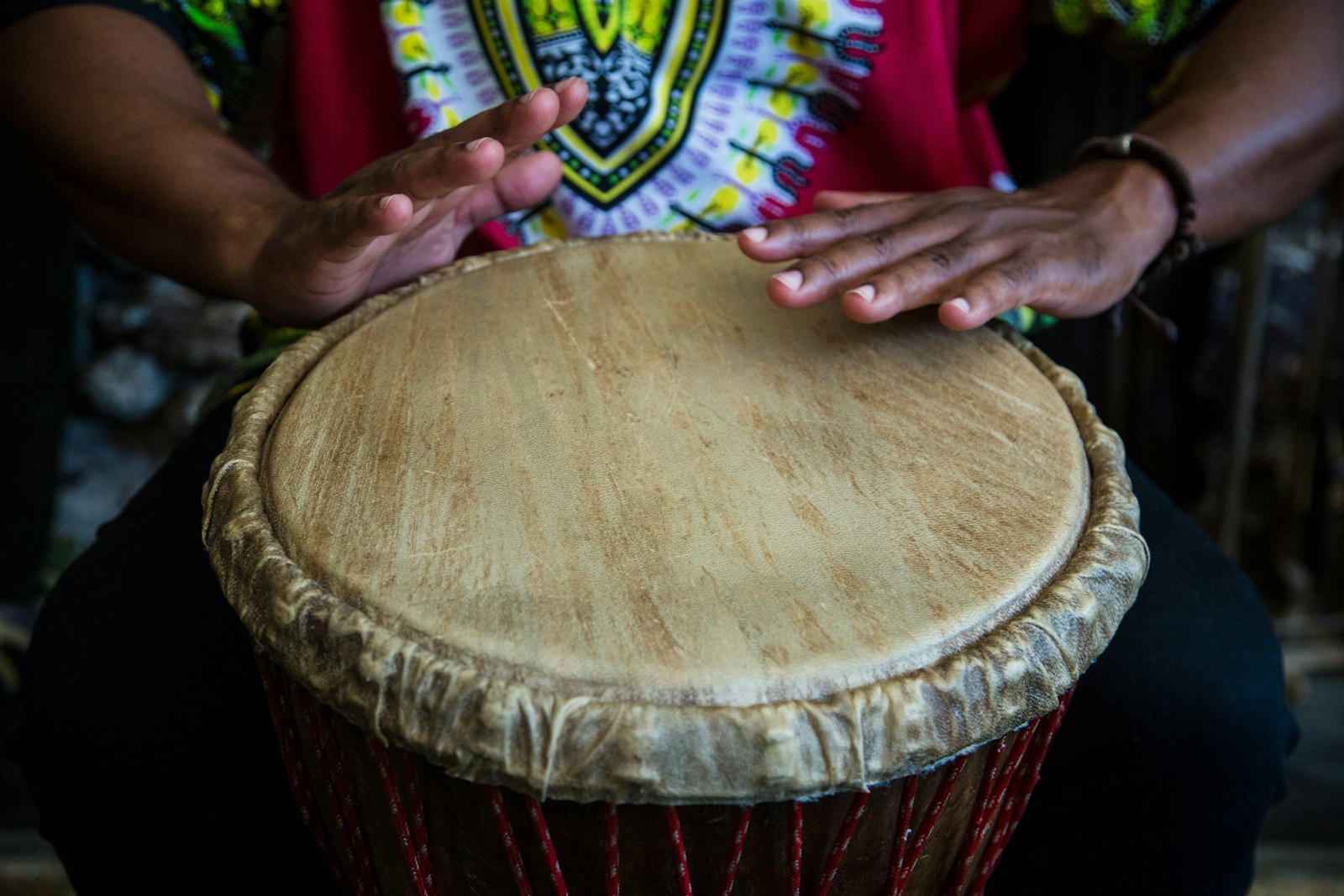
There is a specific kind of magic that occurs when a group of strangers gathers in a circle, instruments in hand, and begins to find a collective pulse. Whether you are a seasoned percussionist or someone who has never touched a djembe, the rhythm community is open and welcoming. However, the most common question beginners ask is: "How do I know when and where these gatherings happen?"
Navigating a drumming calendar is about more than just checking dates; it is about understanding the cycles of the community. From monthly full-moon gatherings to annual rhythm festivals, knowing how to track these events ensures you never miss a beat.
Understanding Different Types of Drumming Events
Not every event on a drumming calendar is the same. To find the right fit for your skill level and interest, you need to recognize the different formats:
- Community Drum Circles: Often held in public parks or community centers, these are usually facilitated events open to all ages and skill levels. The focus is on connection rather than performance.
- Instructional Workshops: These are led by drum teachers who focus on specific techniques, such as traditional West African dunun rhythms or Middle Eastern doumbek patterns.
- Full Moon Circles: A staple in the drumming world, these outdoors gatherings often lean into the spiritual and meditative aspects of rhythm.
- Rhythm Retreats: Multi-day immersions that allow you to dive deep into the craft. You can explore upcoming drumming retreats to find intensive training in beautiful locations.
How to Read a Local Drumming Calendar
When you look at a calendar on the Drum Circle Directory or a local community board, look for specific keywords that indicate the "vibe" of the event.
If a listing mentions "facilitated," it means a leader will guide the group, ensuring the volume stays manageable and the rhythm remains cohesive. If it says "open jam," expect a more free-form, high-energy environment where experienced players might take longer solos on congas or bongos.
Pay attention to the instrument requirements as well. While most community circles allow any hand drum—from frame drums to ashikos—some specialized workshops may require a specific instrument, like a tabla or a set of timbales.
Seasonal Rhythms: When to Look for Events
The global drumming calendar often follows the seasons. In the summer months, outdoor festivals and park circles are abundant. These are excellent opportunities for families to introduce children to rhythm in a low-pressure environment.
In the winter, the scene often shifts indoors to yoga studios, churches, and drum schools. These indoor sessions tend to be more intimate and are perfect for focusing on the health and wellness benefits of drumming, such as stress reduction and cognitive clarity.
Etiquette for Your First Calendar Event
Once you’ve found an event on the drumming calendar that fits your schedule, it’s important to arrive with the right mindset. Community drumming relies on mutual respect.
- Listen First: Before you start a heavy beat on your djembe, listen to the existing pulse of the circle.
- Support the Base: The heart of any circle is the low-end rhythm. If you are unsure what to play, a simple steady beat on a dunun or the center of your drum helps hold the space for others.
- Ask Before Borrowing: If you don't own a drum, many facilitators provide extras. Always ask before picking up someone else's instrument.
- Respect the Facilitator: If a leader signals for the volume to drop or for the rhythm to end, follow their lead immediately.
Building Your Personal Rhythm Schedule
To truly grow as a drummer, consistency is key. Don't just look for one-off events; try to find a recurring circle. Many groups meet on the first Saturday of every month or every Tuesday evening.
By adding these to your personal drumming calendar, you build relationships with other players. This community connection is where the real growth happens—you’ll start to recognize the subtle cues of call-and-response and learn how to weave your voice into the larger tapestry of sound.
Finding International Drumming Events
For those who love to travel, the drumming calendar extends globally. There are world-renowned rhythm festivals in places like Senegal, Brazil, and the United States. These events often feature master drummers and offer a chance to see how rhythm is celebrated across different cultures. Planning your travel around these dates can be a life-changing experience for any percussion enthusiast.
Find a drum circle near you.
Frequently asked
- Do I need to bring my own drum to a calendar event?
- It depends on the specific event listing. Many community drum circles and facilitated workshops provide extra instruments like djembes or shakers for beginners, but it is always best to check the event description or contact the organizer beforehand.
- Are drumming calendar events kid-friendly?
- Most community drum circles are highly family-friendly and encouraged for all ages. However, some intensive technical workshops or late-night fire circles may be geared toward adults, so look for 'family-friendly' tags in the calendar notes.
- How much do drum circle events usually cost?
- Prices vary widely. Many public park circles are free or ask for a small $5-$10 donation to support the facilitator, while professional workshops at drum schools or multi-day retreats will have higher registration fees reflecting the level of instruction.
Find a drum circle near you
Browse hundreds of circles, teachers and rhythm community gatherings.
Explore drum circles