
Sunsets and Spirits: The Ultimate Guide to Drumming Circle
Experience the rhythmic heartbeat of Florida's most famous beach gathering. Discover the magic, history, and etiquette of the Siesta Key Drum Circle.
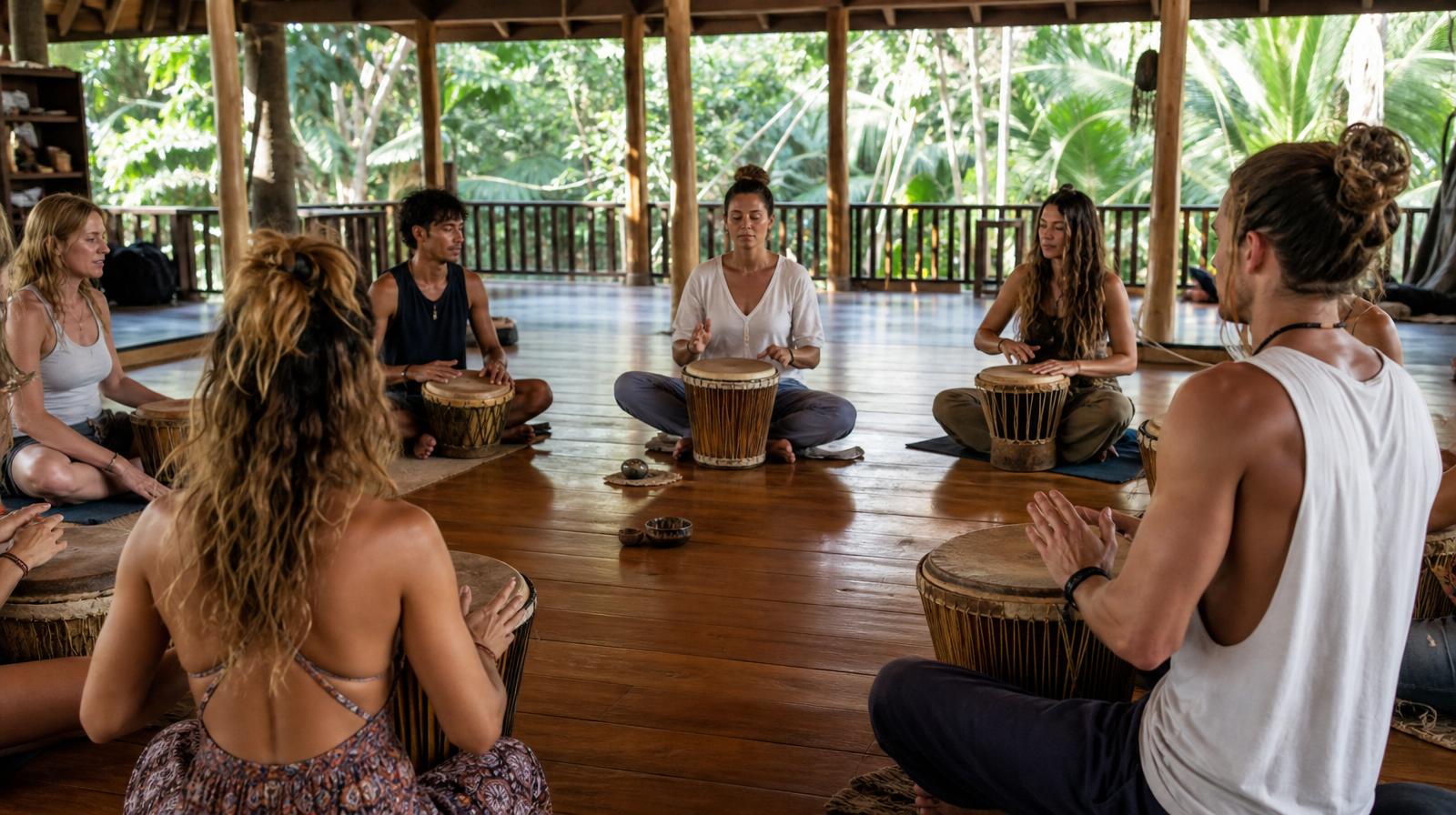
There is a specific moment on Siesta Key beach, just as the Gulf of Mexico begins to swallow the sun, where the air changes. It isn’t just the shift from the heat of the Florida afternoon to the cool evening breeze; it is the sound. A low, resonant pulse begins to echo off the quartz sand—a rhythmic vibration that has drawn thousands of locals and travelers alike for over two decades. This is the drumming circle Siesta Key, a weekly celebration of life, rhythm, and community.
Whether you are a seasoned percussionist carrying a weathered djembe or a curious traveler hoping to witness one of the most iconic events in Sarasota, the Siesta Key Drum Circle offers a spiritual and sensory experience unlike any other. In this guide, we will explore the roots of this gathering, how to participate, and what to expect when the rhythm takes hold.
The History and Heart of the Siesta Key Rhythm
The Siesta Key Drum Circle isn't a formal performance or a ticketed event. It is a grassroots community gathering that began in the mid-1990s. What started as a small group of friends meeting to celebrate the sunset has evolved into a massive, multi-generational phenomenon.
Unlike many organized drumming retreats that focus on specific technical mastery, the Siesta Key circle is rooted in the "community drum circle" philosophy. This means there is no stage and no audience—everyone present is a part of the experience. The circle represents equality; there is no beginning and no end, only the shared pulse of the group.
When and Where to Find the Beat
Consistency is the hallmark of this gathering. The drumming circle Siesta Key takes place every Sunday evening, year-round.
- Location: Siesta Key Public Beach, just south of the main pavilion and concession stand.
- Timing: The drumming usually begins about an hour before sunset. In the summer, this may be around 7:00 PM, while winter gatherings start as early as 4:30 PM.
- The Crowd: On a typical Sunday, you’ll find hundreds, sometimes thousands, of people. The inner ring is reserved for drummers and dancers, while the outer rings are filled with families, hula-hoopers, and spectators.
The Instruments of the Circle
While the djembe is the most common sight at the drumming circle Siesta Key, the sonic landscape is incredibly diverse. The beauty of a beach circle is the blend of different cultural traditions meeting on the sand.
- The Djembe: This West African drum is the backbone of the circle. Its ability to produce deep bass notes and sharp slaps makes it perfect for the open-air acoustics of the beach.
- Congas and Bongos: These Afro-Cuban staples add a melodic, driving texture to the rhythm.
- Doumbeks: Often brought by players of Middle Eastern traditions, the doumbek provides crisp, rapid-fire rhythms that cut through the lower frequencies.
- Frame Drums: These ancient instruments offer a more meditative, earthy tone, often used by those who prefer a subtler contribution to the pulse.
- Dunun: Occasionally, you will see the large, cylindrical dunun drums played with sticks, providing the "heartbeat" that keeps the faster drummers in time.
- Percussion Toys: Shakers, shekeres, cowbells, and woodblocks are everywhere, allowing even those without a drum to contribute to the polyrhythm.
Etiquette for the Siesta Key Drum Circle
To keep the vibe positive and the rhythm flowing, there are a few unwritten rules of the sand. If you are new to this environment, following these tips will ensure you are welcomed with open arms.
- Ask Before You Play: If you see someone’s drum sitting on a chair or a rug, do not pick it up and start playing. Many of these instruments are handmade and very expensive. If you want to learn, it’s better to find local drum teachers who can guide you on your journey.
- Listen First: Before joining in, stand on the edge of the circle and listen for a few minutes. Try to find the "one"—the main downbeat. Start softly and build your volume as you find your place in the groove.
- Respect the Dancers: The center of the circle is for movement. Give the dancers plenty of space to express the rhythm physically.
- Leave No Trace: Siesta Key is famous for its white quartz sand. Be sure to pack out everything you bring in, including water bottles and snack wrappers.
- No Alcohol on the Beach: Sarasota County ordinances prohibit alcohol on the beach. To keep the circle family-friendly and ensure it continues for years to come, please respect the local laws.
Why We Drum: The Benefits of the Circle
Beyond the fun of a beach party, the drumming circle Siesta Key serves a deeper purpose. For many regulars, this is a form of "rhythm therapy." Science has shown that group drumming can reduce stress, boost the immune system, and create a sense of social belonging.
In a world that is increasingly digital and disconnected, standing in a circle of humans, all vibrating to the same frequency, is a powerful antidote to isolation. The collective energy of the Siesta Key circle is palpable; it is a place where social barriers dissolve, and the only thing that matters is the shared moment.
Making the Most of Your Visit
If you are traveling from out of town to experience the drumming circle Siesta Key, here are a few pro-tips for a seamless evening:
- Arrive Early: Parking at Siesta Key Beach is notoriously difficult on Sundays. Aim to arrive at least two hours before sunset if you want a spot in the main lot.
- Bring a Chair or Blanket: Unless you plan on dancing the entire time, you'll want a place to sit.
- Hydrate: Florida humidity is no joke, especially when you are dancing or drumming vigorously.
- Check the Weather: While the drummers are dedicated, heavy rain will cancel the gathering. However, a light drizzle often leads to some of the most magical, intimate circles.
Discover More Rhythms
The Siesta Key experience often leaves people wanting more. If you've caught the "drumming bug," there are plenty of ways to deepen your practice. You can look for drum schools in the Sarasota area to refine your technique or browse our global listings to find your next rhythmic destination.
Whether you are a local regular or a first-time visitor, the drumming circle Siesta Key is a reminder that rhythm is our universal language. We’ll see you on the sand this Sunday.
Find a drum circle near you.
Frequently asked
- What day and time is the Siesta Key Drum Circle?
- The circle takes place every Sunday evening throughout the year. It typically begins about one hour before sunset, meaning start times range from 4:30 PM in the winter to 7:00 PM in the summer.
- Do I need to bring my own drum to participate?
- While many participants bring their own djembes or congas, it is not strictly required to enjoy the event. You can dance, play shakers, or simply enjoy the atmosphere, though having your own instrument allows you to fully join the rhythmic conversation.
- Is the Siesta Key Drum Circle family-friendly?
- Yes, it is a very family-friendly event. You will see people of all ages, from toddlers dancing in the sand to seniors playing the drums. It is a peaceful, community-oriented gathering that welcomes everyone.
- Where exactly on the beach is the drum circle located?
- The circle forms on the main Siesta Key Public Beach (948 Beach Rd). Once you walk past the main pavilion and concession stand toward the water, look to the left (south). You will easily find the crowd and hear the music.
Find a drum circle near you
Browse hundreds of circles, teachers and rhythm community gatherings.
Explore drum circles