Drumming Event Listings: Find Your Rhythm Community Today
Discover the ultimate guide to finding and listing drum circles, workshops, and festivals near you to connect with the global rhythm community.
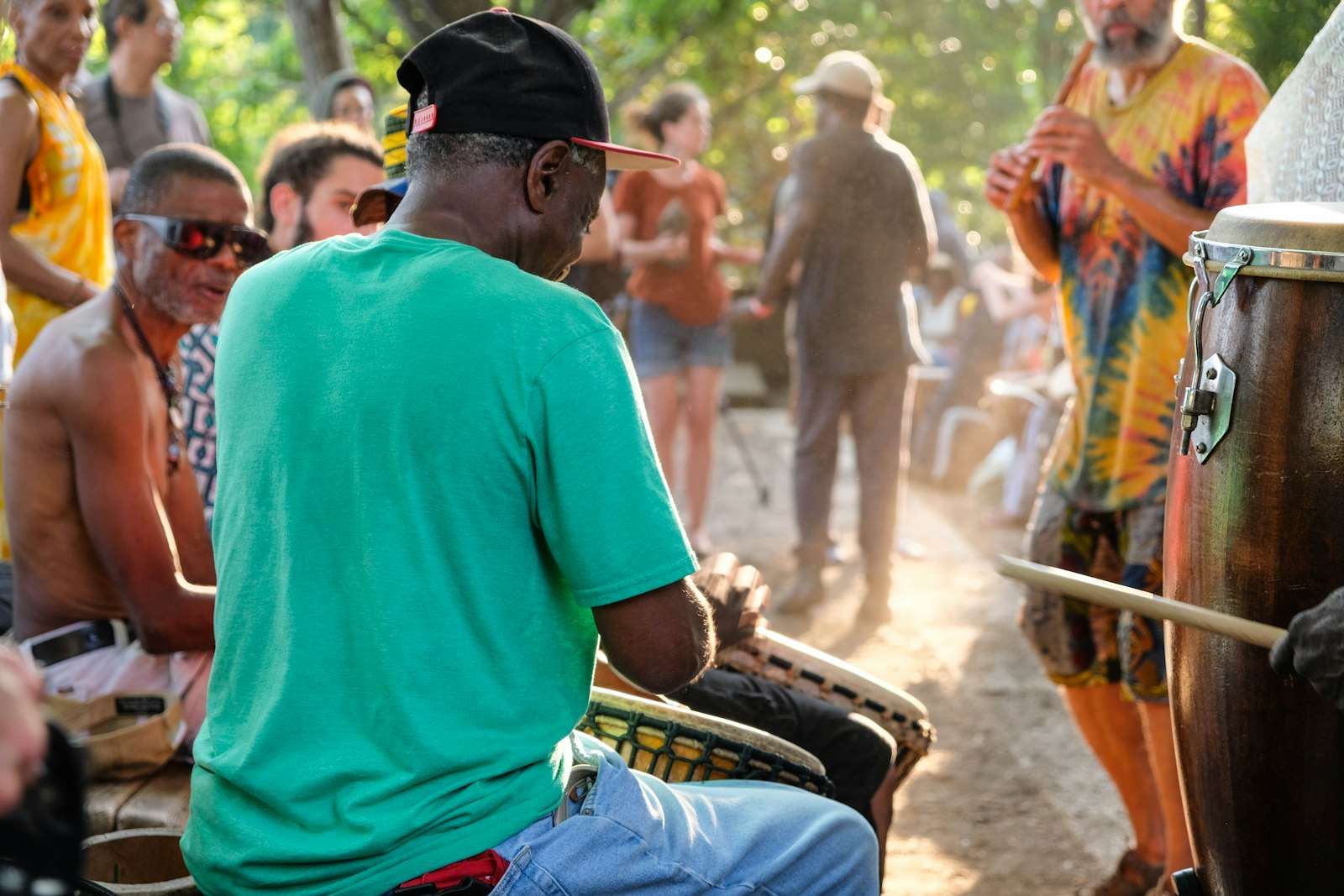
There is a primal magic that happens when a group of people gathers in a circle, instruments in hand, to create a collective heartbeat. Whether you are a seasoned percussionist or someone who has never touched a djembe, finding the right space to play is the first step toward a lifelong passion. The world of rhythm is vast, and navigating drumming event listings is the key to unlocking these transformative experiences.
From casual community jams in local parks to intensive masterclasses with West African griots, the variety of events available can be overwhelming. This guide will help you understand what to look for, how to prepare, and where to find the most reliable information to help you get out of the house and behind a drum.
Why Seek Out Local Drumming Events?
Drumming is inherently social. While practicing your paradiddles on a practice pad at home is essential for technique, the true soul of the instrument is found in the "call-and-response" of a live group. Participating in events listed in a directory allows you to:
- Improve Your Timing: Playing with others forces you to hold a steady pulse in a way solo practice cannot.
- Learn New Traditions: Many events focus on specific cultures, such as Afro-Cuban conga rhythms or Middle Eastern doumbek patterns.
- Reduce Stress: Group drumming has been scientifically shown to lower cortisol levels and boost the immune system.
- Build Community: You will meet people from all walks of life who share a common love for the beat.
Types of Gatherings in Drumming Event Listings
When browsing drumming event listings, it is helpful to know exactly what kind of atmosphere you are walking into. Not all circles are created equal.
Community Drum Circles
These are often the most accessible events. Usually facilitated by a leader who guides the energy of the group, community circles are often family-friendly and open to all skill levels. You might see a mix of instruments, from professional-grade dununs to homemade shakers.
Instructional Workshops and Clinics
If you want to move beyond "just jamming," look for workshops led by professional drum teachers. These events are structured, focusing on specific techniques, traditional rhythms, or ensemble arrangements. They are perfect for those looking to sharpen their skills on a specific instrument like the frame drum or cajon.
Full Moon and Solstice Gatherings
These events often lean into the spiritual or meditative side of percussion. They are usually less about technical perfection and more about the shared energy and the natural cycles of the earth. These are frequently held outdoors and have a very welcoming, "come as you are" vibe.
Multi-Day Drumming Retreats
For those looking for a deep dive, drumming retreats offer an immersive experience. These often take place in nature and include multiple workshops, communal meals, and evening fire circles. They are excellent for building lasting bonds within the drumming community.
What to Look for in a Quality Event Listing
Not all event descriptions provide the information you need. When searching for your next rhythm fix, a high-quality listing should include:
- Skill Level: Is it beginner-friendly, or is it an advanced masterclass?
- Instrument Requirements: Do you need to bring your own drum, or are there loaners available?
- Cost: Is there a suggested donation, a fixed door fee, or is it a free community event?
- Facilitator Bio: Knowing who is leading the circle can give you a good idea of the musical style and teaching approach.
- Location Details: Is it in a park (weather permitting) or an indoor studio at one of the local drum schools?
Etiquette for Your First Drumming Event
Once you have found a compelling listing and decided to attend, keeping a few etiquette tips in mind will ensure you have a great time and are welcomed back.
- Listen More Than You Play: When you first join a circle, listen to the established groove for a few minutes before jumping in.
- Respect the Lead Drummer: If there is a facilitator or a lead dunun player, follow their cues for volume and tempo changes.
- Ask Before Playing Someone Else's Drum: Drummers can be very protective of their instrument's heads and tuning.
- Support the Pulse: Don't feel the need to play complex solos. Often, the most valued player is the one holding down a simple, steady beat that everyone else can lean on.
How to List Your Own Drumming Event
If you are a facilitator or a teacher, getting your event in front of the right eyes is crucial. When creating your own drumming event listings, use clear, descriptive titles and include a high-quality photo of a previous circle. Mention if the event is "family-friendly" or "alcohol-free" to set the right expectations. Word of mouth is great, but a searchable online presence is how you grow a sustainable rhythm community.
Finding Your Beat Locally
The best way to stay connected is to check a dedicated directory regularly. Local community centers, music shops, and even yoga studios often host these events, but they are most easily found when aggregated in one place. Whether you are looking for a high-energy djembe circle or a quiet meditative frame drum session, the right event is waiting for you.
Find a drum circle near you and start making some noise today!
Frequently asked
- Do I need to own a drum to attend an event I found online?
- Not necessarily. Many community drum circles and workshops provide 'loaner' instruments for a small fee or as part of the admission. Always check the event description to see if the host mentions providing drums or if you are expected to bring your own djembe, conga, or shaker.
- Are drumming event listings usually for professionals only?
- Absolutely not. The majority of community drumming events are designed for all skill levels, including absolute beginners. Listings will typically specify if an event is a 'Masterclass' or 'Advanced Workshop,' but unless stated otherwise, most circles welcome anyone with a heartbeat and a desire to play.
- Is there a specific dress code for drum circles?
- Comfort is key. Most drummers prefer loose-fitting clothing that allows for a full range of motion. It is also a good idea to avoid wearing large rings or bracelets that might bang against the drum shell or damage the skin of the instrument.
Find a drum circle near you
Browse hundreds of circles, teachers and rhythm community gatherings.
Explore drum circles