
Drumming Events Guide: Find Your Rhythm in the Global
Discover the vibrant world of drumming events, from community circles to international retreats, and learn how to find your place in the rhythm.
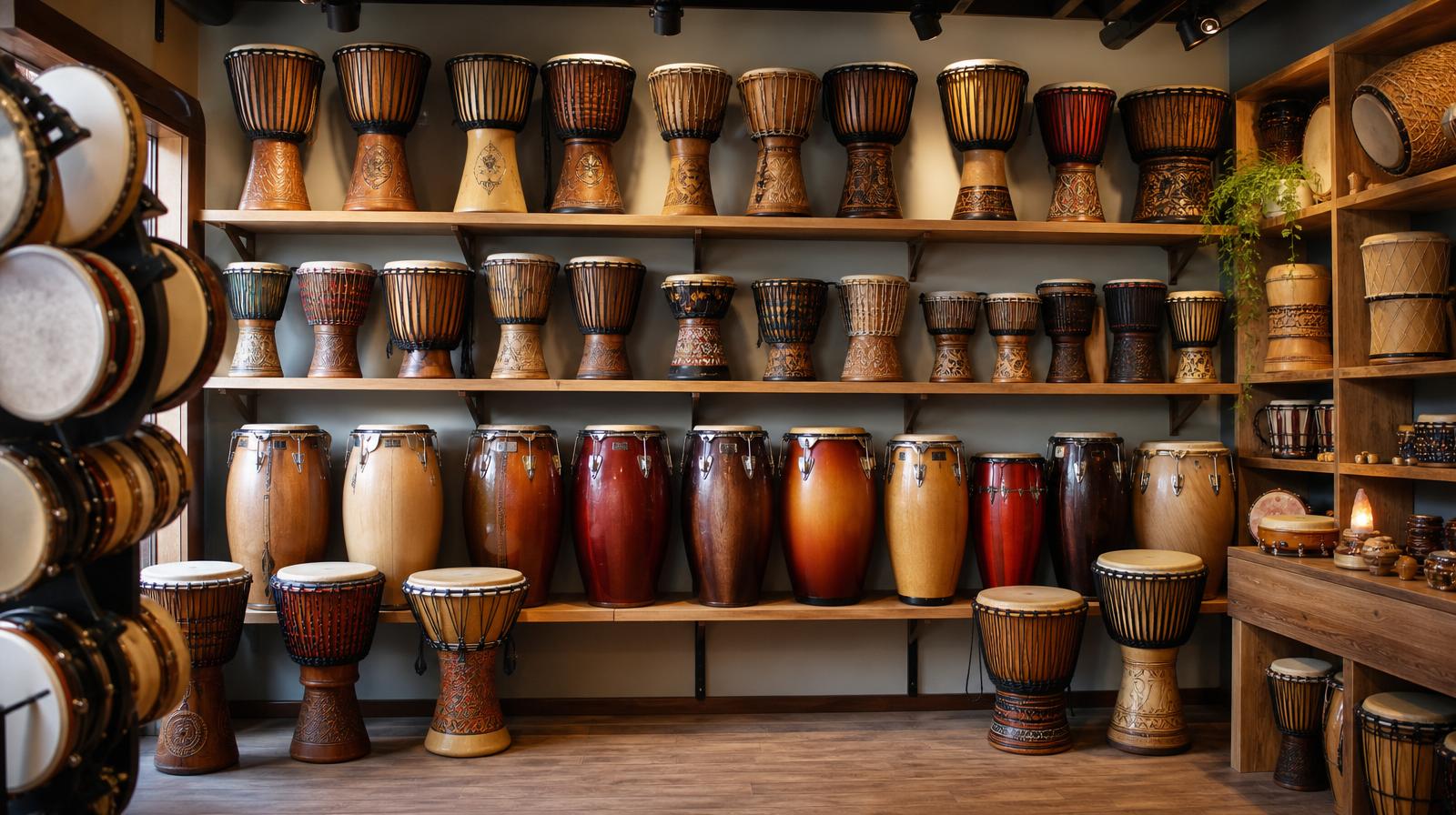
There is something primal and deeply restorative about the sound of a drum. When that sound is multiplied by dozens, or even hundreds, of people playing in unison, it transforms into a powerful communal experience. Drumming events are more than just musical performances; they are gatherings that foster connection, wellness, and pure joy.
Whether you are a seasoned percussionist or someone who has never touched a djembe, the world of rhythm is open to you. This guide explores the diverse landscape of drumming events and how you can get involved in this growing global movement.
The Heartbeat of the Community: Local Drum Circles
The most common type of drumming event you will encounter is the community drum circle. These are often family-friendly gatherings held in parks, community centers, or on beaches during a full moon. The beauty of a drum circle lies in its inclusivity. Unlike a traditional concert, there is no audience—everyone is a participant.
In these circles, you’ll see a beautiful array of instruments. You might hear the deep, resonant bass of a djembe, the sharp slap of a doumbek, or the steady, earthy pulse of a frame drum. Often, a facilitator will help guide the energy, using call-and-response techniques to keep the rhythm cohesive while allowing for individual improvisation.
Educational Workshops and Masterclasses
For those looking to deepen their technical skills, educational drumming events are the perfect fit. These sessions are typically led by experienced drum teachers who specialize in specific traditions or instruments.
- Djembe and Dunun Workshops: Focus on West African polyrhythms and the traditional language of the drum.
- Conga and Bongo Clinics: Ideal for those interested in Afro-Cuban rhythms and hand techniques.
- Frame Drum Intensives: Often exploring the spiritual and ancient history of these versatile instruments.
- Rhythm Facilitation Training: For those who want to learn how to lead their own community events.
Attending these workshops is an excellent way to transition from a casual player to a confident musician, providing the foundation needed to contribute more deeply to any circle.
Rhythm Festivals and Large-Scale Gatherings
If you want to immerse yourself in rhythm for several days, seek out dedicated rhythm festivals. These drumming events are high-energy celebrations that often feature world-class performers, non-stop jam sessions, and a marketplace of handmade instruments and artisanal goods.
Festivals are unique because they bring together diverse drumming traditions in one place. You might spend the morning in a Japanese Taiko workshop and the afternoon dancing to a Brazilian Samba Batucada. The sheer volume of sound and the collective spirit at these events can be a life-changing experience for many attendees.
Immersive Drumming Retreats
Sometimes, a few hours isn't enough to truly disconnect from the noise of daily life. This is where drumming retreats come in. Often held in serene, natural locations—from the mountains of North Carolina to the beaches of Bali—retreats offer a holistic approach to rhythm.
These events usually combine intensive drumming practice with other wellness activities like yoga, meditation, and communal organic meals. It’s a chance to build deep bonds with fellow drummers and reset your internal clock to a more natural, rhythmic pace.
What to Expect at Your First Event
Walking into your first drumming event can feel a little intimidating, but the community is famously welcoming. Most events are "come as you are." If you don't own an instrument, don't worry—many circles and workshops provide extra instruments for newcomers to borrow.
Remember these basic etiquette tips:
- Listen first: Before you start playing, listen to the established rhythm for a minute to find where your beat fits in.
- Support the bass: The lower-toned drums (like the dunun or the center of the djembe) provide the heartbeat. Try to complement that pulse rather than play over it.
- Ask before playing someone else’s drum: Many drummers have a deep personal connection to their instruments.
- Follow the facilitator: If someone is guiding the circle, pay attention to their signals for volume changes or stops.
Finding the Right Event for You
With the rise of the global rhythm movement, there are more opportunities than ever to play. Whether you are looking for a high-energy city gathering or a quiet, meditative circle, the right event is out there. Many people start by looking for drum schools in their area, as these institutions often host monthly community jams.
No matter where you are in your journey, remember that rhythm is a birthright. You don't need to be a professional to contribute a meaningful beat to the circle. The most important thing is to show up, stay open, and let the music take over.
Find a drum circle near you and start your rhythmic journey today.
Frequently asked
- Do I need to bring my own drum to a drumming event?
- Not necessarily. While many experienced players bring their own djembe or congas, most community drum circles and beginner workshops provide 'loaner' instruments. It is always a good idea to check the event description or contact the facilitator beforehand to ensure an instrument will be available for you.
- Are drumming events suitable for children and families?
- Yes, the vast majority of community drum circles are family-friendly and intergenerational. Drumming is a wonderful way for children to develop coordination and social skills. Look for events specifically labeled as 'community' or 'family' circles for the most welcoming environment for young ones.
- What should I wear to a drum circle or rhythm festival?
- Comfort is key. You will likely be sitting for extended periods, so wear loose-fitting clothing. Since you'll be using your hands and lap to hold the drum, avoid wearing heavy rings, bracelets, or large belt buckles that could scratch the drum shell or damage the skin head.
- Can I attend a drumming event if I have no musical experience?
- Absolutely. Most drumming events, especially community circles, are designed to be inclusive of all skill levels. Facilitators often use simple patterns that anyone can follow, and the collective sound of the group helps support individual players as they find their timing.
Find a drum circle near you
Browse hundreds of circles, teachers and rhythm community gatherings.
Explore drum circles