
The Ultimate Drumming Festival Guide: Rhythm, Culture, and
Discover the transformative power of the drumming festival, from ancient rhythmic traditions to modern community gatherings that unite spirit and sound.
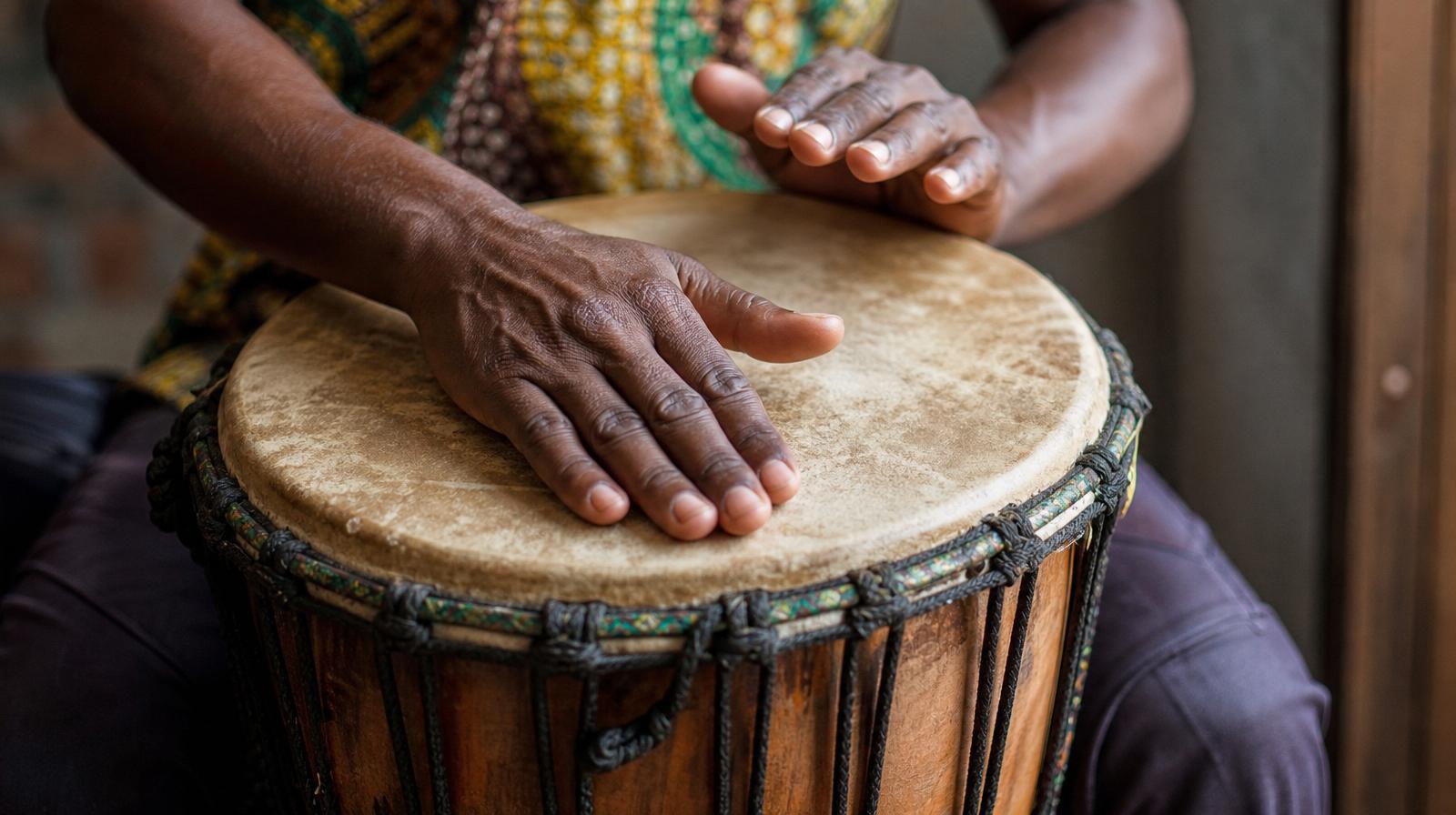
There is an ancient, undeniable magic that happens when dozens, hundreds, or even thousands of people strike a drumhead in unison. A drumming festival is more than just a musical event; it is a high-energy immersion into the heartbeat of humanity. Whether you are a seasoned percussionist or someone who has never touched a djembe, these gatherings offer a unique space to connect, learn, and find your flow.
From the dusty fields of West African-inspired retreats to the polished stages of international percussion summits, drumming festivals serve as the ultimate crossroads for rhythm seekers. In this guide, we will explore what makes these events so special, how to prepare for your first one, and why the global drumming community continues to grow every year.
What Exactly is a Drumming Festival?
At its core, a drumming festival is a multi-day celebration centered around percussion instruments and rhythmic movement. Unlike a standard music festival where the audience is passive, a drumming festival is inherently participatory. You aren't just there to watch; you are there to contribute to the collective sound.
These events typically feature a mix of structured workshops and events, professional performances, and spontaneous late-night drum circles around a central fire. You will encounter a vast array of instruments, including:
- Djembe and Dunun: The powerful, bass-heavy sounds of West Africa.
- Congas and Bongos: The syncopated, melodic flavors of Afro-Cuban tradition.
- Doumbek and Darbuka: The intricate, rapid-fire rhythms of the Middle East.
- Frame Drums: Ancient, spiritual instruments often used in healing and shamanic practices.
- Steel Pans and Handpans: Modern, melodic percussion that creates ethereal soundscapes.
The Anatomy of a Festival Experience
Most festivals follow a rhythmic arc that builds over several days. Understanding this structure helps you pace yourself and make the most of the experience.
Morning Workshops and Skill Building
Morning sessions are usually dedicated to learning. You might find a master teacher leading a class on traditional Malian rhythms or a session on the technical nuances of the 'slap' and 'tone' on a djembe. This is the best time to seek out professional drum teachers who can help you refine your technique in a supportive environment.
Afternoon Community Circles
As the sun reaches its peak, the energy shifts toward community. Facilitated drum circles often take place in large tents or open fields. Here, the focus is less on perfect technique and more on listening and responding to the group. These sessions are perfect for beginners to find their footing without the pressure of a formal classroom setting.
Evening Performances and Fire Circles
When night falls, the professionals take the stage, showcasing the heights of percussive artistry. However, for many, the 'real' festival begins after the main stage goes dark. The community fire circle is where the spirits truly wake up. These circles can last until dawn, driven by the steady pulse of the bass drums and the intricate dancing of the higher-pitched instruments.
Choosing the Right Festival for Your Style
Not all drumming festivals are created equal. Some focus heavily on the educational and pedagogical side, while others are more about the 'vibe' and spiritual connection.
- Educational Intensives: These are often hosted by specialized drum schools and focus on specific traditions, such as Mande drumming or Taiko. Expect rigorous practice and deep cultural study.
- Spirituality and Wellness Retreats: These festivals emphasize the healing power of rhythm. You might find sessions on 'drumming as meditation' or 'rhythmic breathwork.' For those looking to recharge, these drumming retreats provide a sanctuary from the noise of daily life.
- Family-Friendly Community Jams: These are inclusive, grassroots gatherings where children and elders play side-by-side. The focus is on accessibility and the joy of shared noise.
Essential Etiquette for the Drum Circle
To ensure a positive experience for everyone, it is important to follow basic drum circle etiquette. The festival environment is loud, but it should never be chaotic.
- Listen More Than You Play: The best drummers are the best listeners. Find the 'heartbeat' of the circle (usually held by the dununs or large bass drums) and lock into it before trying to play complex solos.
- Support the Groove: If someone is soloing, keep your part steady and simple. Don't compete for volume.
- Ask Before You Play Someone's Drum: Instruments are often deeply personal. Always ask for permission before trying out a drum that isn't yours.
- Follow the Facilitator: If a facilitator is using hand signals to bring the volume down or end a song, pay attention and respect their lead.
What to Pack for Your Rhythmic Adventure
Preparing for a drumming festival requires a bit more than just your instrument. Here is a quick checklist:
- Your Drum (and a backup): If you have a djembe, ensure the skin is in good condition. Bring a tuning wrench if you play a lug-tuned drum.
- Ear Protection: Hours of high-decibel drumming can take a toll. High-fidelity earplugs are a lifesaver.
- Comfortable Seating: A folding stool or a drum throne is essential for long sessions.
- Hand Care: Shea butter or specialized drum balm helps prevent cracked skin and blisters.
- Hydration: Drumming is a physical workout. Bring a reusable water bottle and stay hydrated.
Finding Your Tribe
The beauty of a drumming festival is the immediate sense of belonging. In a world that often feels fragmented, the drum provides a common language. You will meet people from all walks of life—engineers, artists, teachers, and travelers—all united by the same pulse.
If you aren't ready to travel to a major festival yet, start by exploring the local drum circles in your area. Many local groups organize 'mini-fests' or day-long gatherings that serve as the perfect bridge to the larger international scene.
Conclusion: Let the Rhythm Lead
A drumming festival is a transformative experience that stays with you long after the last echo of the bass drum fades. It challenges your muscles, expands your mind, and nourishes your soul. Whether you are looking to master the complex polyrhythms of West Africa or simply want to lose yourself in the trance of a late-night fire circle, there is a place for you in the rhythm.
Ready to find your beat? Find a drum circle near you and start your journey today.
Frequently asked
- Do I need to own a drum to attend a drumming festival?
- Not necessarily. While many participants bring their own, most festivals offer drum rentals or have 'community drums' available for workshops. It is always best to check the event website beforehand to see if you need to reserve an instrument.
- Are drumming festivals suitable for absolute beginners?
- Yes! Most festivals are very welcoming to beginners and offer 'Introduction to Rhythm' workshops. The community is generally very supportive, and you will find that more experienced players are often happy to share tips and techniques.
- What should I wear to a drum festival?
- Comfort is key. Wear loose, breathable clothing that allows for a full range of motion. Since many festivals are outdoors, bring layers for the evening and sturdy shoes. Avoid wearing large rings or bracelets that could damage the drumhead or hurt your hands while playing.
Find a drum circle near you
Browse hundreds of circles, teachers and rhythm community gatherings.
Explore drum circles