Drumming for Beginners: A Complete Guide to Starting Your
Discover the joy of rhythm with our comprehensive guide to drumming for beginners, covering instruments, techniques, and finding your first circle.
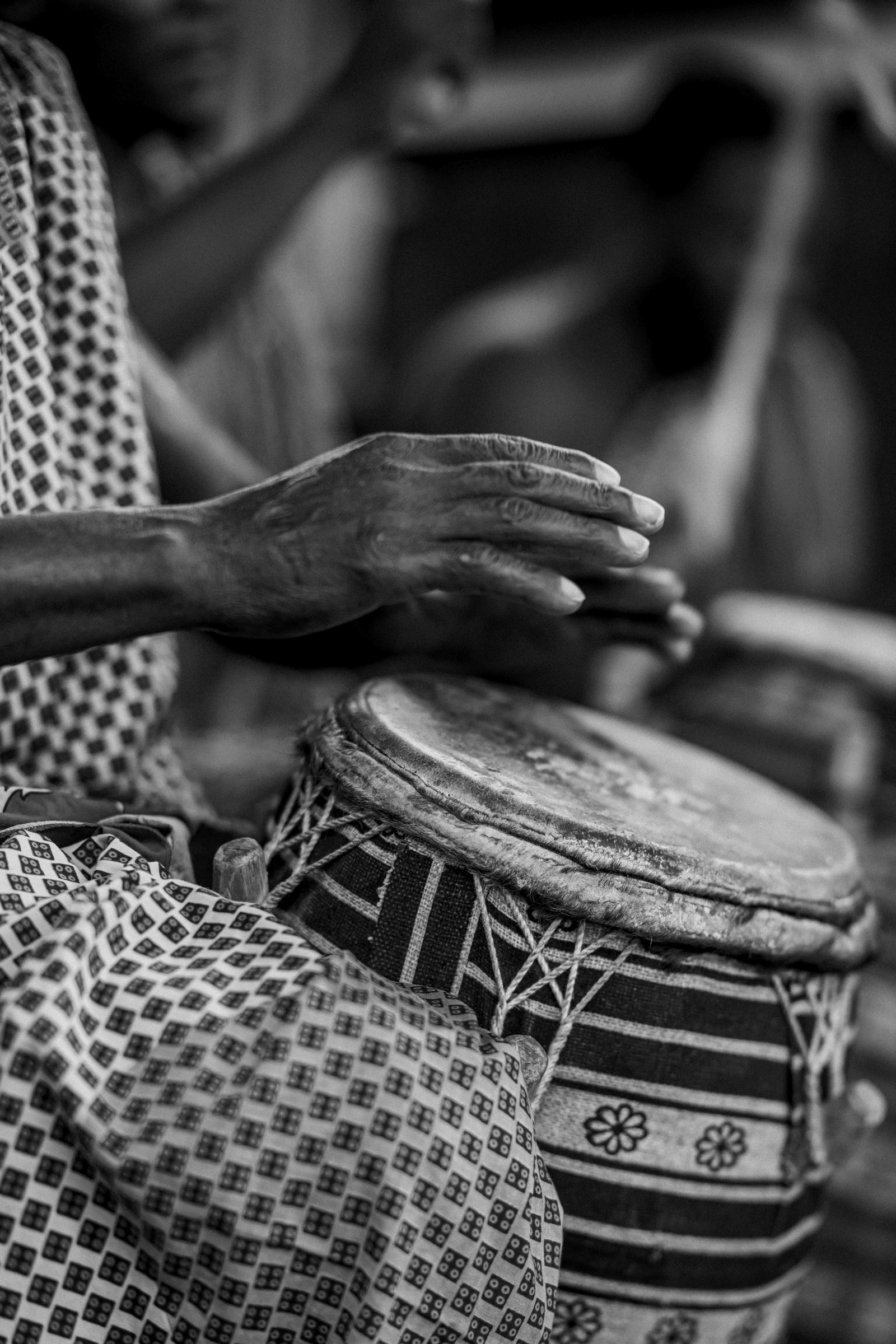
There is something primal and deeply restorative about the sound of a drum. For thousands of years, humans have gathered in circles to share rhythm, celebrate life, and find a sense of belonging. If you have ever felt your feet tap instinctively to a beat or felt a surge of energy during a parade, the world of drumming is calling you.
Drumming for beginners isn't about complex sheet music or technical perfection; it is about finding your pulse and connecting with others. Whether you want to play a djembe at a full-moon gathering or master the doumbek in a private studio, this guide will help you take those first rhythmic steps.
Choosing Your First Hand Drum
One of the most exciting parts of starting your journey is selecting your instrument. While there are hundreds of percussion instruments worldwide, a few stand out as the best entry points for beginners.
- The Djembe: Originating from West Africa, the djembe is perhaps the most popular drum for beginners. Its goblet shape provides a wide range of sounds, from deep, resonant bass to sharp, cracking slaps.
- The Conga: These tall, narrow drums from Cuba are played in pairs or trios. They offer a warm, melodic tone and are staples in Latin and jazz music.
- The Doumbek (or Darbuka): This goblet-shaped drum from the Middle East is known for its crisp, metallic sounds and intricate finger-tapping techniques.
- The Frame Drum: One of the oldest instruments in the world, the frame drum is simple, portable, and often used for meditative or spiritual drumming.
- The Dunun: These are the cylindrical, double-headed drums that provide the rhythmic foundation for West African ensembles, usually played with sticks.
The Three Basic Sounds: Bass, Tone, and Slap
Regardless of the drum you choose, most hand drumming for beginners revolves around three fundamental sounds. Mastering these will allow you to play thousands of traditional and contemporary rhythms.
- The Bass: Hit the center of the drum head with your palm flat and fingers together. Let your hand bounce off immediately to allow the drum to vibrate. This is the heartbeat of the rhythm.
- The Tone: Strike the edge of the drum with your fingers together, hitting the rim with the pads of your palm. This produces a clear, melodic sound higher than the bass.
- The Slap: This is often the most challenging sound for beginners. It involves a relaxed hand hitting the edge so that the fingertips "whip" against the skin, creating a sharp, high-pitched crack.
Practice these sounds slowly. Consistency is more important than speed when you are first starting out.
Finding Your Rhythm: Call-and-Response
Drumming is a language. In a group setting, you will often participate in "call-and-response." This is where a facilitator or lead drummer plays a short phrase (the call), and the rest of the group repeats it back (the response).
This practice is excellent for beginners because it builds listening skills and muscle memory. It takes the pressure off having to "invent" a beat and allows you to immerse yourself in the collective sound. If you feel stuck, you can always look for professional drum teachers who can guide you through these foundational patterns in a structured environment.
Joining Your First Drum Circle
Walking into your first drum circle can feel intimidating, but remember that these communities are built on inclusivity. Most circles are family-friendly and welcome all skill levels.
When you arrive, take a moment to observe. Some circles are "facilitated," meaning a leader guides the energy and tempo, while others are "organic" or "freestyle." If you don't own a drum yet, many organizers provide loaner instruments.
To find a gathering in your area, you can browse our comprehensive list of local drum circles to see where the community meets near you.
Drum Circle Etiquette for Beginners
While drum circles are about freedom, a few unwritten rules help the music stay harmonious:
- Listen more than you play: Pay attention to the volume and tempo of the group. If you can't hear the person next to you, you might be playing too loud.
- Support the heartbeat: If the rhythm gets complex, return to a simple four-beat pulse. This helps ground the circle.
- Ask before playing someone else’s drum: Many drummers have a deep personal connection to their instruments.
- Don’t wear jewelry: Rings and bracelets can damage the drum skin and your hands.
- Follow the facilitator: If a leader signals for the volume to drop or the rhythm to stop, follow their cues immediately.
The Path to Mastery: Schools and Retreats
Once you have the basics down, you might find yourself wanting to dive deeper into specific traditions, like Afro-Cuban rhythms or Middle Eastern odd-meter beats. This is where formal education becomes invaluable.
Enrolling in specialized drum schools can provide you with a curriculum that moves beyond the basics. For those looking for a transformative experience, drumming retreats offer the chance to spend several days immersed in rhythm, often in beautiful natural settings that allow for deep focus and community bonding.
The Health Benefits of Drumming
Beyond the music, drumming is a powerful tool for wellness. Research has shown that group drumming can reduce stress, lower blood pressure, and boost the immune system. The rhythmic vibrations help synchronize the brain's hemispheres, leading to a state of "flow" that feels like a moving meditation. For many, the drum circle is a place to release the tension of the work week and reconnect with their inner joy.
Find a drum circle near you by visiting our directory at /drum-circles.
Frequently asked
- Do I need to own a drum to start?
- No, many beginners start by attending facilitated circles where loaner drums are provided. This allows you to try different types like djembes or congas before investing in your own instrument.
- How long does it take to learn hand drumming?
- You can learn the basic bass and tone strokes in a single afternoon. However, developing the muscle memory and speed for complex rhythms typically takes several months of consistent practice.
- Is drumming a good workout?
- Yes! Drumming is a physical activity that engages your core, arms, and back. A high-energy drum circle session can burn as many calories as a light aerobic workout while improving coordination.
Find a drum circle near you
Browse hundreds of circles, teachers and rhythm community gatherings.
Explore drum circles