Drumming for Meditation: A Guide to Rhythmic Mindfulness
Discover how the primal pulse of the drum can quiet the mind, reduce stress, and lead you into a deep state of rhythmic meditation.
In our fast-paced, digital world, finding a moment of true silence can feel impossible. While traditional seated meditation works for many, others find the silence intimidating or the stillness restless. This is where the ancient practice of drumming for meditation offers a powerful alternative. By focusing on a steady, repetitive beat, you can bypass the analytical mind and enter a flow state that promotes deep relaxation and mental clarity.
For thousands of years, cultures across the globe have used the drum as a tool for spiritual connection and healing. From the heartbeat-like pulse of the Native American frame drum to the complex polyrhythms of West African djembe traditions, the drum is more than a musical instrument—it is a vehicle for mindfulness.
The Science of Rhythmic Entrainment
At the heart of drumming for meditation is a process called entrainment. This is a neurobiological phenomenon where the brain’s internal rhythms—specifically brainwaves—begin to synchronize with the external rhythm of the drum.
When you play a steady beat, typically around 120 to 140 beats per minute, your brain shifts from the high-frequency Beta waves (associated with active thinking and stress) to lower-frequency Alpha and Theta waves. These are the same states achieved during deep meditation or REM sleep. This shift allows the nervous system to move from a 'fight or flight' state into 'rest and digest,' lowering cortisol levels and inducing a sense of calm.
Choosing the Right Drum for Your Practice
While any drum can be used for mindfulness, certain instruments are particularly well-suited for meditative work due to their sustain, tone, and ease of play.
- Frame Drums: Often associated with shamanic traditions, these drums have a deep, resonant tone and a long sustain. They are lightweight and can be played with a mallet or fingers, making them perfect for long, steady sessions.
- Djembe: This West African staple offers a wide range of sounds, from deep bass to sharp slaps. Its versatility allows you to explore different emotional textures in your meditation.
- Steel Tongue Drums or Handpans: These melodic percussion instruments produce ethereal, bell-like tones that are inherently soothing. Because they are tuned to specific scales, there are no "wrong" notes, allowing for a stress-free improvisational experience.
- Buffalo Drums: Known for their deep, grounding vibrations, these are excellent for those who want to feel the sound physically in their chest cavity.
If you are unsure which instrument suits your energy, connecting with drum teachers can help you find the right fit for your physical needs and spiritual goals.
Getting Started: A Simple Meditative Drumming Technique
To begin drumming for meditation, you don't need years of musical training. In fact, a "beginner's mind" is often an advantage. Follow these steps to start your practice:
- Create a Sacred Space: Find a quiet spot where you won't be interrupted. Dim the lights, light some incense, or sit outdoors to connect with nature.
- Find Your Posture: Sit comfortably with your spine straight but not rigid. Ensure your drum is positioned so your arms and shoulders remain relaxed.
- The Heartbeat Pulse: Start with a simple, steady beat. Think of it as a heartbeat: thump-thump, thump-thump. Close your eyes and focus entirely on the sound and the vibration traveling through your hands.
- Breath Synchronization: Match your breathing to the rhythm. Inhale for four beats, exhale for four beats. This anchors your consciousness in the present moment.
- Let Thoughts Pass: When your mind wanders—and it will—simply acknowledge the thought and gently return your focus to the strike of the drumhead.
The Power of Community Drumming
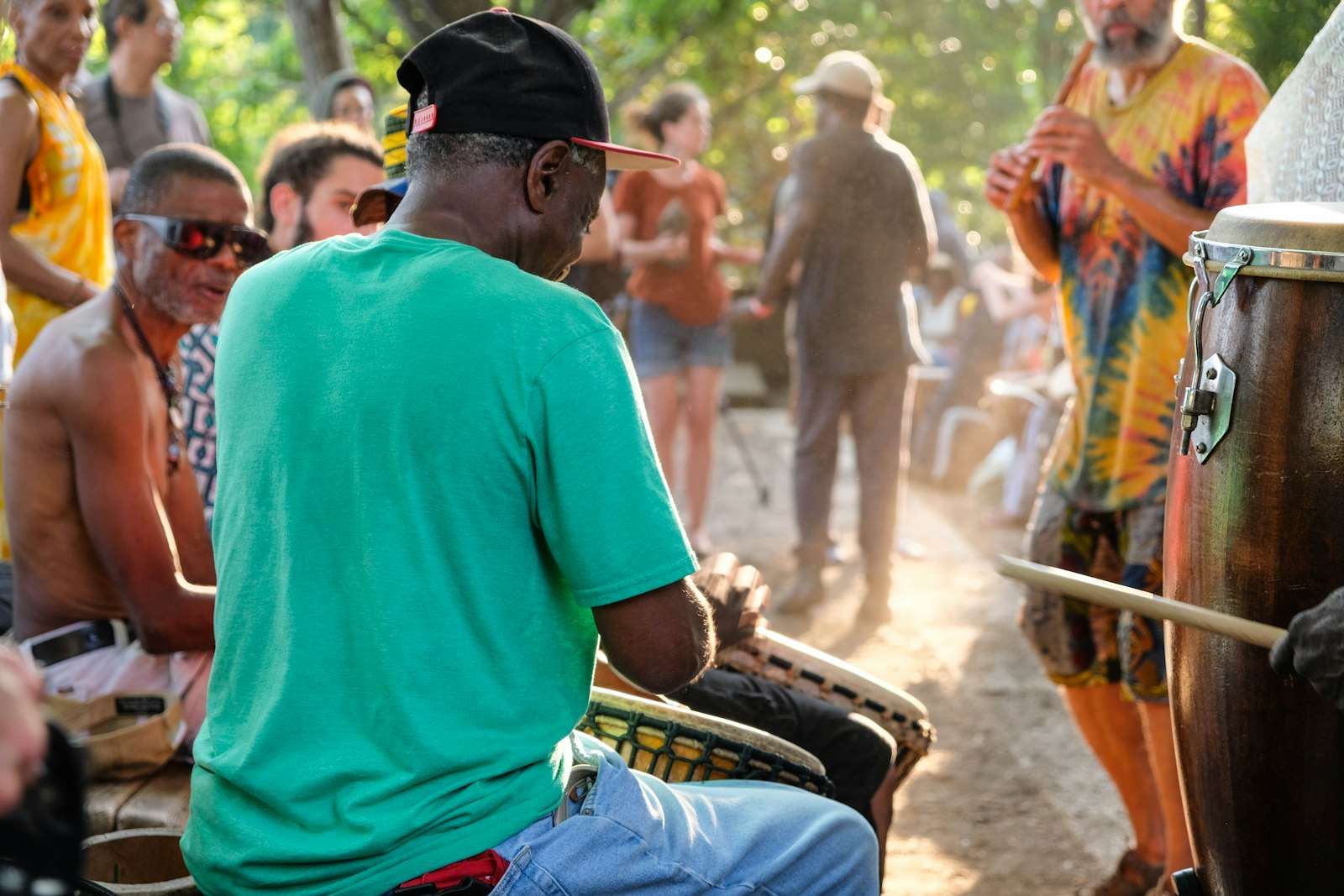
While solo practice is deeply rewarding, there is a unique energy found in group settings. In a drum circle, the collective rhythm creates a "container" of sound that can feel incredibly supportive. You aren't just responsible for the beat; you are part of a larger, breathing organism of sound.
Participating in events or local circles allows you to experience the social benefits of drumming, which include increased oxytocin (the "bonding hormone") and a reduced sense of isolation. Many find that the shared pulse of a group helps them reach a meditative state much faster than they could alone.
Incorporating Mantras and Vocalization
To deepen your practice, consider adding vocalization to your drumming. This doesn't require "singing" in a traditional sense. Simple humming or chanting a single vowel sound while you drum creates internal vibration that complements the external sound of the instrument.
This practice, often found in various drumming retreats, helps to clear the throat chakra and further focuses the mind. The combination of tactile movement (drumming), auditory focus (the sound), and internal vibration (chanting) creates a multi-sensory experience that leaves little room for anxious thoughts.
Finding Your Rhythm in Daily Life
Drumming for meditation isn't just about the time spent with the instrument; it's about the clarity you carry back into your daily life. Regular practice develops your ability to remain centered amidst the "noise" of the world. Whether you are using a doumbek, congas, or a simple frame drum, the goal is the same: to find the still point at the center of the circle.
If you're ready to take your practice to the next level, seeking out structured drum schools can provide the technical foundation needed to play for longer periods without physical fatigue, allowing your meditation to go even deeper.
Find a drum circle near you and start your journey into rhythmic mindfulness today.
Frequently asked
- Do I need to be a musician to practice drumming for meditation?
- Not at all. Meditative drumming is about the process and the vibration, not musical performance. If you can tap a steady beat, you can benefit from the mindfulness aspects of drumming.
- How long should I drum for a meditative effect?
- Even 10 to 15 minutes of steady, rhythmic drumming can induce a relaxation response. However, many practitioners find that 20 to 30 minutes allows the brain to fully enter the Theta wave state for deeper meditation.
- What is the best drum for a beginner interested in meditation?
- A frame drum or a high-quality djembe are excellent starting points. They are intuitive to play and offer deep, resonant tones that are physically grounding and easy to focus on during a session.
Find a drum circle near you
Browse hundreds of circles, teachers and rhythm community gatherings.
Explore drum circles