Drumming for Seniors: The Ultimate Guide to Rhythm and
Discover how hand drumming enhances cognitive health, mobility, and social connection for older adults in this comprehensive guide.
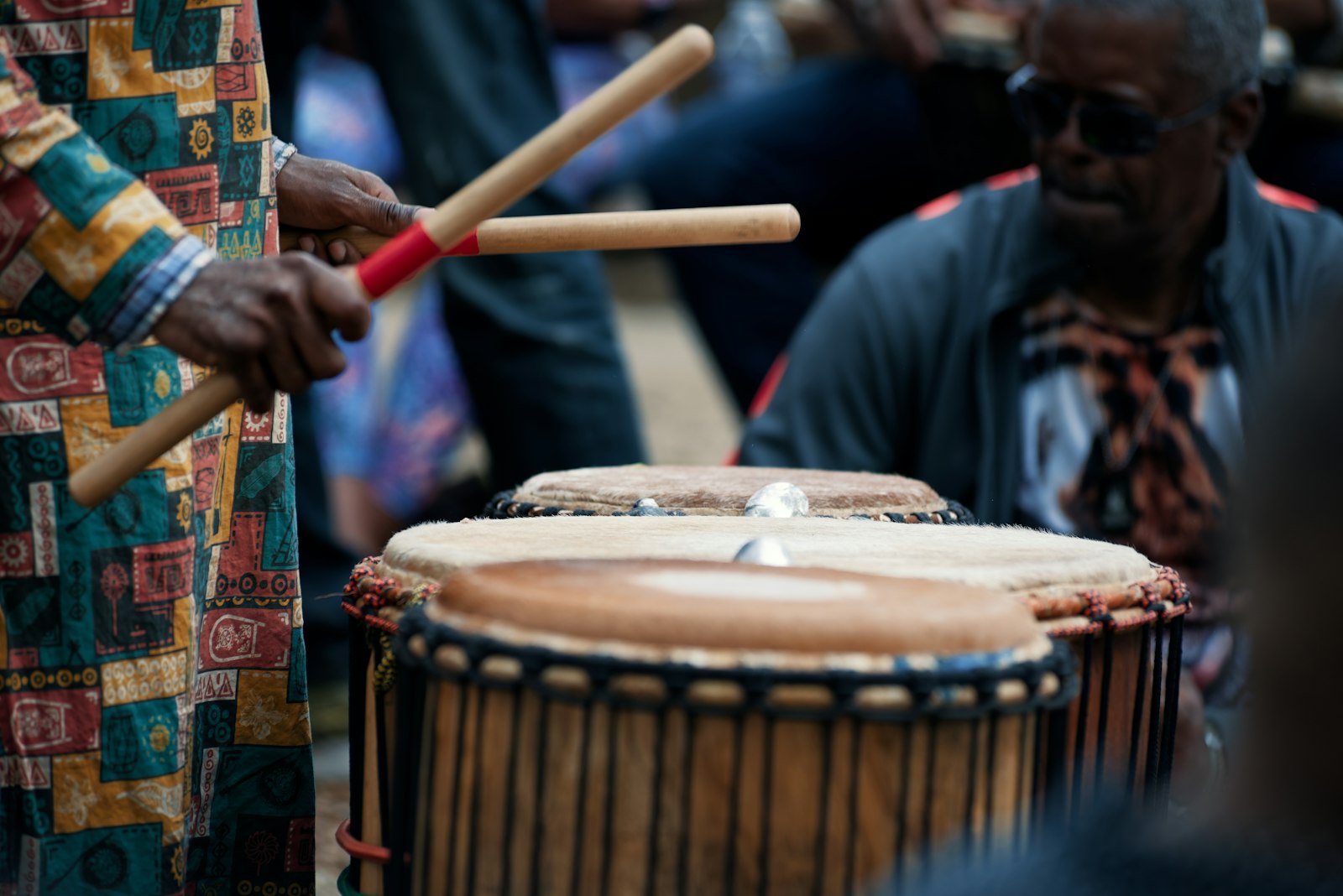
There is a profound, ancient magic that happens when a hand meets a drumhead. For seniors, this connection is more than just musical—it is a gateway to vitality, cognitive clarity, and a vibrant social life. Whether you are seventy, eighty, or ninety years young, the rhythm is already inside you.
Hand drumming is uniquely suited for older adults because it is accessible, adaptable, and deeply communal. Unlike many hobbies that require years of technical study before they become enjoyable, drumming offers immediate gratification. From the first beat of a djembe or the soft resonance of a frame drum, you are participating in a timeless human tradition.
The Physical Benefits of Rhythm
As we age, maintaining fine motor skills and upper body strength becomes increasingly important. Drumming provides a low-impact cardiovascular workout that engages the arms, shoulders, and core.
- Improved Circulation: The repetitive motion of striking the drum increases blood flow to the hands and wrists, which can be particularly beneficial for those managing arthritis.
- Hand-Eye Coordination: Following a rhythm requires the brain and body to work in sync, sharpening reflexes and spatial awareness.
- Endorphin Release: The physical act of drumming triggers the body’s natural 'feel-good' chemicals, helping to manage chronic pain and reduce stress.
Many seniors find that sitting in a comfortable chair while playing a djembe or a set of congas allows them to engage in physical activity without the strain of standing or high-impact movement.
Boosting Cognitive Health and Memory
One of the most exciting areas of research in geriatric health is the link between drumming and brain function. Rhythm is a whole-brain activity. It requires the left hemisphere (linear, mathematical timing) and the right hemisphere (creative, intuitive expression) to communicate.
Participating in drumming events or regular classes has been shown to improve focus and memory. For those navigating the early stages of dementia or Alzheimer’s, the rhythmic patterns can act as a bridge to long-term memories. Often, a senior who struggles with verbal communication can still perfectly mimic a call-and-response pattern on a doumbek.
Choosing the Right Instrument
Not all drums are created equal when it comes to the needs of older players. Comfort and weight are key considerations. Here are the top recommendations for seniors:
- The Djembe: Lightweight versions made of synthetic materials are excellent. They offer a wide range of sounds—bass, tone, and slap—without being too heavy to move.
- The Frame Drum: Often held in the lap or played with a mallet, these are gentle on the joints and produce a soothing, earthy vibration.
- The Buffalo Drum: Similar to a frame drum, these are usually played with a padded beater, making them ideal for those with sensitive hands or limited finger dexterity.
- Congas and Bongos: These are great for those who prefer a more structured, melodic approach to percussion.
If you are unsure which instrument fits your physical needs, connecting with experienced drum teachers can help you find the perfect match for your grip and posture.
Overcoming the "I Have No Talent" Myth
Many seniors hesitate to join a circle because they believe they aren't "musical." In the world of community drumming, there is a saying: "If you have a heartbeat, you have rhythm."
Drum circles are not about performance; they are about presence. In a facilitated circle, a leader guides the group through simple patterns. You don't need to read music or understand complex theory. You only need to listen to the person next to you and contribute your unique pulse to the collective sound.
Social Connection and Combating Isolation
Loneliness is a significant health risk for older adults. Drumming is an inherently social activity that fosters a sense of belonging. When you sit in a circle, you are an equal part of a whole.
Many communities host family-friendly circles or specific gatherings for seniors where the atmosphere is supportive and inclusive. These gatherings often lead to lasting friendships outside the circle. If you are looking to dive deeper into the lifestyle, drumming retreats offer a wonderful way to travel, meet like-minded peers, and immerse yourself in rhythm in a beautiful setting.
Starting Your Rhythm Journey
If you are ready to pick up a pair of sticks or use your hands to create music, the first step is finding a local community. Many senior centers, libraries, and local drum schools offer introductory classes specifically designed for older adults.
Begin by attending a local drum circle as an observer if you feel nervous. You will quickly see that the community is welcoming and that everyone—from the master drummer to the absolute beginner—is there to share in the joy of the beat.
Find a drum circle near you by visiting our global directory at /drum-circles.
Frequently asked
- Is drumming too strenuous for seniors with arthritis?
- Not at all. Drumming can be adapted to any physical ability. Using soft mallets instead of hands or playing lighter instruments like frame drums can reduce joint strain while still providing the benefits of rhythmic movement.
- Do I need to buy an expensive drum to start?
- Most beginner circles and classes provide instruments for participants. It is best to try several types of drums—like djembes, congas, or tubanos—before investing in your own to see which feels most comfortable for your hands.
- Can drumming help with Parkinson's disease?
- Yes, many studies suggest that rhythmic auditory stimulation can help Parkinson's patients improve their gait, balance, and coordination by providing an external 'metronome' for the brain to follow.
Find a drum circle near you
Browse hundreds of circles, teachers and rhythm community gatherings.
Explore drum circles