
Drumming for Wellness: A Guide to Rhythm and Healing
Discover how the ancient art of drumming can reduce stress, boost immunity, and foster deep community connection in this comprehensive guide.
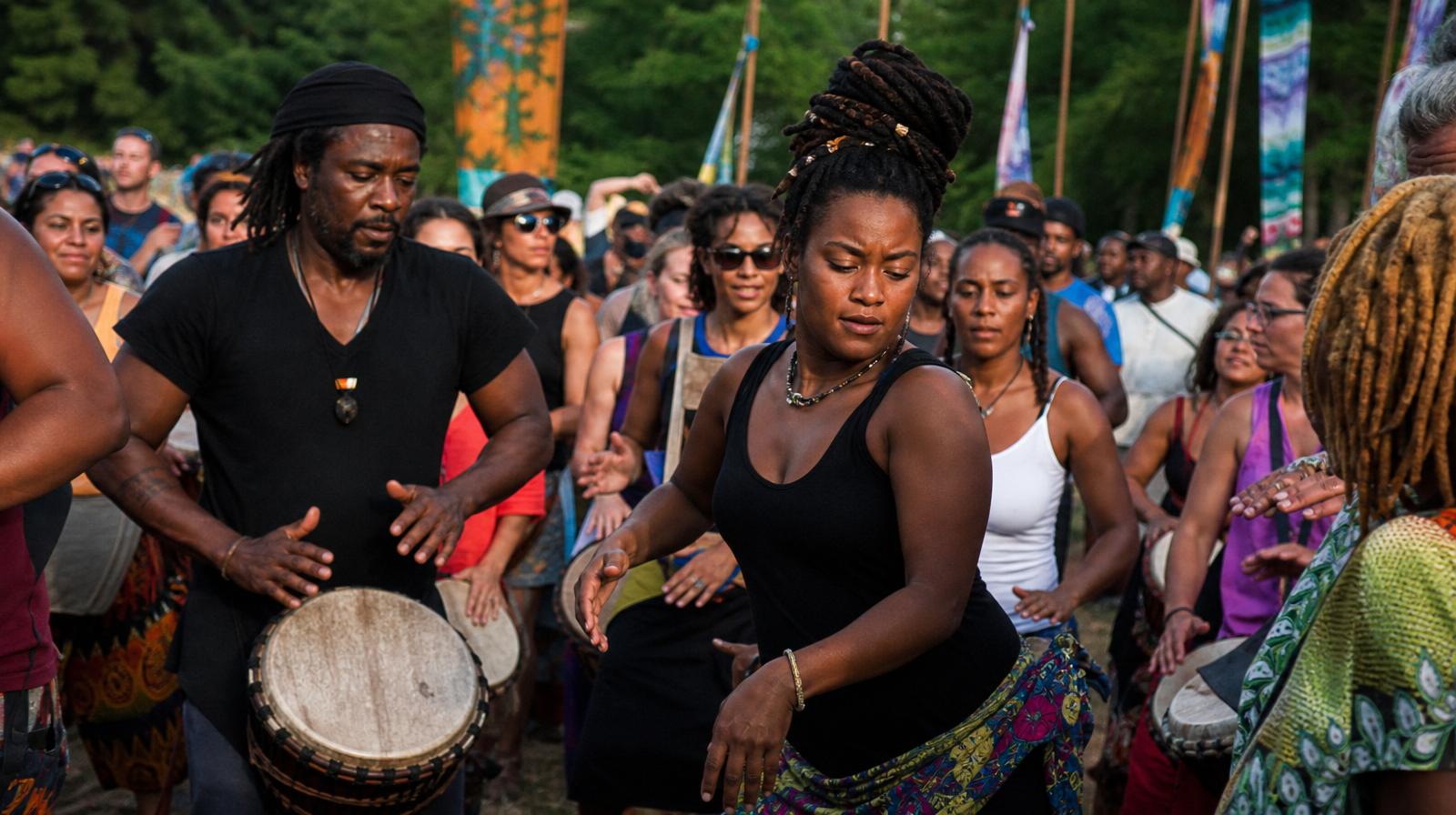
For thousands of years, the heartbeat of the drum has served as a primary tool for communication, celebration, and healing. Today, modern science is finally catching up to what indigenous cultures have known for millennia: rhythm is medicine. Whether you are striking a djembe in a crowded park or gently tapping a frame drum in a quiet meditation room, drumming for wellness offers a profound way to reconnect with yourself and your community.
In this guide, we explore the physiological and psychological benefits of hand drumming and how you can integrate these ancient rhythms into a modern self-care routine.
The Science of Rhythm and Stress Relief
When we talk about drumming for wellness, we are often talking about the regulation of the nervous system. Chronic stress keeps the body in a state of "fight or flight." Drumming, particularly in a repetitive and rhythmic fashion, helps transition the brain into an alpha state—the same state achieved during deep meditation.
Research has shown that group drumming can actually increase the activity of Natural Killer (NK) cells, which are responsible for targeting and destroying cancer cells and virally infected cells. By lowering cortisol levels and inducing a relaxation response, drumming serves as a powerful antidote to the stressors of modern life.
Mental Health and the Power of the Beat
Drumming is an incredibly effective tool for managing anxiety and depression. Unlike traditional talk therapy, drumming is experiential and non-verbal. It allows for the release of pent-up emotions without the need for words.
- Emotional Release: The physical act of striking a drum provides a safe outlet for anger, grief, or frustration.
- Mindfulness: It is nearly impossible to worry about the future or ruminate on the past when you are focused on maintaining a steady 4/4 beat.
- Endorphin Rush: The physical exertion of drumming triggers the release of endorphins and dopamine, the body's natural "feel-good" chemicals.
For those looking to deepen their practice, working with drum teachers can help you move past the frustration of learning technique so you can focus entirely on the therapeutic benefits.
The Social Component: Community as Medicine
A unique aspect of drumming for wellness is the community element. Human beings are hardwired for connection, yet social isolation is at an all-time high. A drum circle is a microcosm of a healthy society: everyone has a unique voice, yet everyone is working toward a common goal.
In a circle, there is no hierarchy. A beginner with a simple shaker is just as important as a master drummer on a set of congas. This sense of belonging and "entrainment"—where the heart rates and brain waves of the participants begin to sync up—creates a powerful feeling of unity and support.
Choosing Your Instrument for Healing
You don't need an expensive kit to start your journey into drumming for wellness. Different drums offer different tactile and auditory experiences:
- Djembe: The most popular choice for drum circles. Its wide range of tones (bass, tone, and slap) allows for great expressive variety.
- Frame Drum: Often used in melodic and spiritual practices. Its lightweight nature makes it perfect for long, meditative sessions.
- Doumbek: A goblet-shaped drum from the Middle East, known for its crisp, sharp sounds that help with focus and precision.
- Dunun: These large, cylindrical drums provide the grounding "heartbeat" of West African rhythms, perfect for those who need to feel physically anchored.
If you're unsure where to start, many drum schools offer introductory workshops specifically focused on wellness rather than just performance.
Finding Your Flow: Beginner Wellness Practices
You don't need to be a musician to practice drumming for wellness. Here are three simple ways to start:
- The Heartbeat Pulse: Sit quietly and find your own pulse. Gently mimic that "thump-thump" on your drum. Close your eyes and breathe deeply for five minutes.
- Call and Response: If you are with a partner, one person plays a short rhythm, and the other mimics it. This builds active listening and empathy.
- Free Expression: Set a timer for ten minutes and play whatever you feel. Don't worry about rhythm or "sounding good." Just let the hands move.
Taking the Next Step in Your Journey
While solo practice is beneficial, the true magic of rhythm is often found in shared spaces. Immersing yourself in a dedicated environment can accelerate your healing process. Many practitioners find that attending drumming retreats allows them to disconnect from digital distractions and fully inhabit their rhythmic selves.
Whether you are looking to lower your blood pressure, find a supportive community, or simply try something new, drumming offers a path to wellness that is as joyful as it is effective. The drum is waiting for you.
Find a drum circle near you and start your rhythm journey today.
Frequently asked
- Do I need musical experience to start drumming for wellness?
- Absolutely not. Drumming for wellness is about the process, not the performance. Most community drum circles are designed to be inclusive of all skill levels, focusing on the therapeutic benefits of rhythm rather than complex musical theory.
- How often should I drum to see health benefits?
- Even 20 minutes of rhythmic drumming can lower cortisol levels and induce a relaxation response. For long-term mental health benefits, many practitioners recommend a weekly group session combined with a few minutes of daily solo practice.
- Can drumming help with physical pain?
- Yes, drumming can act as a natural analgesic. The focused concentration required for rhythm can serve as a distraction from chronic pain, while the release of endorphins helps to naturally dull pain signals in the body.
Find a drum circle near you
Browse hundreds of circles, teachers and rhythm community gatherings.
Explore drum circles