
Find a Drumming Group Near Me: A Guide to Local Rhythm
Discover the transformative power of community rhythm and learn how to find the perfect drumming group in your local neighborhood.
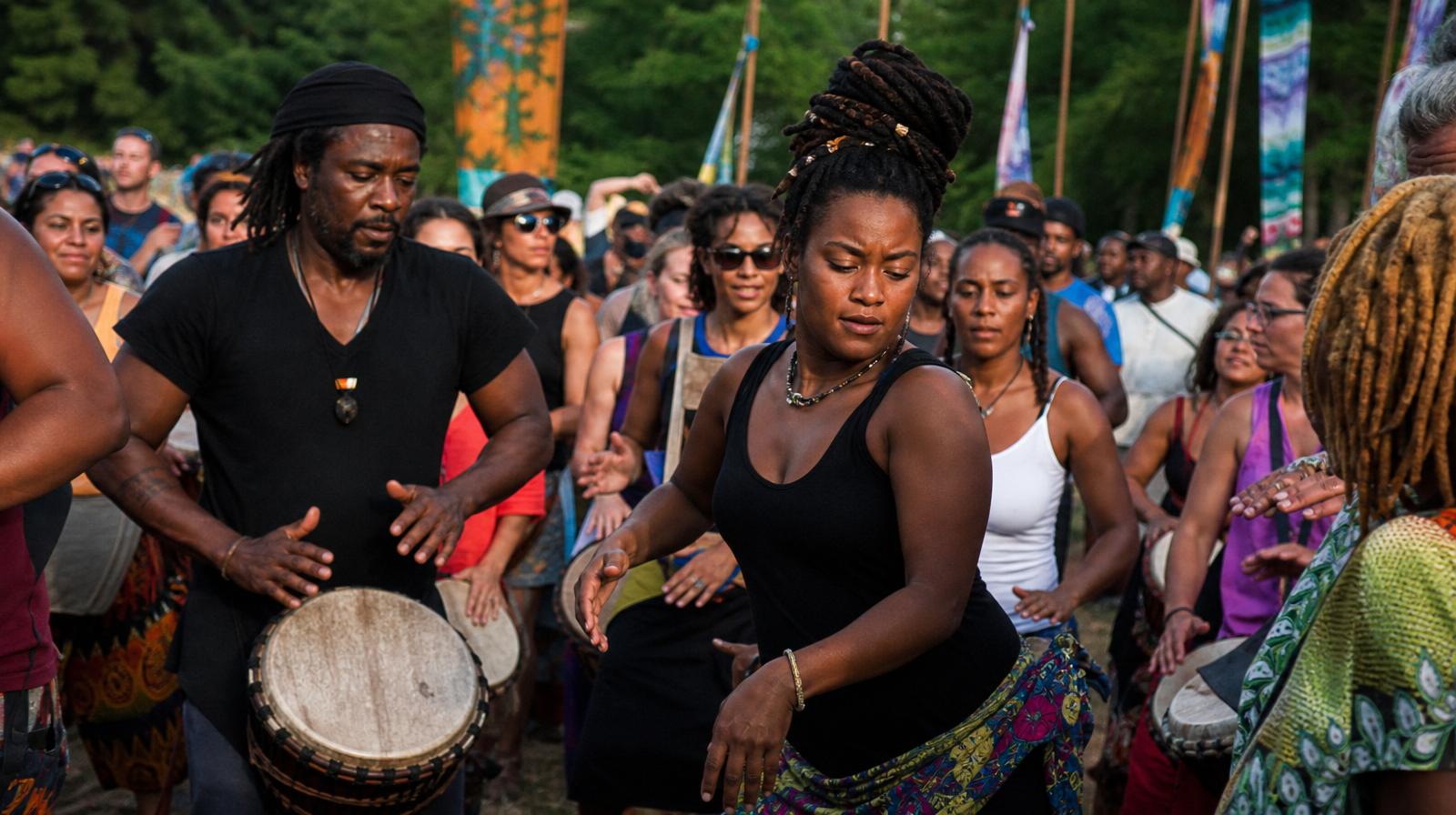
There is a primal, magnetic pull to the sound of a drum. Whether it’s the deep, earth-shaking thrum of a djembe or the intricate, conversational patterns of a doumbek, drumming has a unique way of bringing people together. If you have been searching for a "drumming group near me," you aren't just looking for a music lesson—you are looking for a community.
Participating in a local drumming group is one of the most accessible ways to experience the joy of collective music-making. Unlike a traditional orchestra or a rock band, many community drum circles are open to all skill levels, from those who have never touched a percussion instrument to seasoned professionals.
Why Join a Local Drumming Group?
Drumming is more than just keeping a beat; it is a holistic experience that impacts your physical and mental well-being. When you join a drumming group, you enter a space of shared intention.
- Stress Reduction: The rhythmic nature of drumming helps lower cortisol levels and promotes relaxation.
- Social Connection: It breaks down social barriers, allowing people from all walks of life to communicate through rhythm.
- Physical Coordination: Playing instruments like congas or dunun improves motor skills and bilateral coordination.
- Emotional Release: Drumming provides a safe outlet for expressing emotions that words often cannot capture.
Understanding the Different Types of Drumming Groups
Not every drumming group is the same. Depending on your interests, you might find several different styles of gatherings in your area:
- Community Drum Circles: These are often facilitated gatherings where the focus is on improvisation and inclusion. There is no "audience"—everyone is a participant.
- Cultural Performance Groups: These groups focus on specific traditions, such as West African Manding drumming, Afro-Cuban rhythms, or Middle Eastern frame drum techniques.
- Healing Circles: Often found in wellness centers, these groups use rhythm specifically for therapeutic purposes and mindfulness.
- Instructional Classes: If you want to master a specific instrument, seeking out drum schools or local drum teachers is the best way to build a solid foundation.
What to Expect at Your First Gathering
Walking into your first drumming group can feel a bit intimidating, but most circles are incredibly welcoming. Usually, the group sits in a large circle so everyone can see each other.
In a facilitated circle, a leader might use hand signals to start and stop the group, or they might lead a "call-and-response" exercise to get everyone synced up. In an organic or "anarchic" circle, the rhythm evolves naturally. You’ll hear the high-pitched "slap" of the djembe, the warm "open tone" of the conga, and perhaps the steady pulse of a cowbell or shaker keeping time.
Essential Etiquette for New Drummers
To ensure a positive experience for yourself and the group, keep these basic etiquette tips in mind:
- Listen More Than You Play: The secret to a great drum circle is the space between the notes. Listen to the heartbeat of the group before jumping in.
- Ask Before Borrowing: If you don't have your own drum, many groups provide extras. However, always ask the owner before picking up a beautiful hand-carved djembe or a delicate frame drum.
- Support the Pulse: Beginners should focus on the "heartbeat" or the main pulse of the rhythm. Avoid playing too loudly or too fast, which can pull the group off-track.
- Respect the Facilitator: If someone is facilitating, follow their cues. They are there to ensure the music stays cohesive and enjoyable for everyone.
Finding the Right Group for Your Skill Level
If you are a total beginner, look for groups labeled as "family-friendly" or "beginner-friendly." These environments prioritize accessible rhythms. For those looking to deepen their craft, you might explore drumming retreats where you can spend several days immersed in rhythm with expert instructors.
If you prefer a structured environment, check out local events that offer workshops. This allows you to learn the proper technique for bass, tone, and slap hits before joining a high-energy public jam.
What Instruments Should You Bring?
While many groups are open to any percussion, the most common instruments you will see include:
- Djembe: The most popular drum for community circles due to its wide range of sounds.
- Congas: Great for adding melodic, mid-range rhythms.
- Doumbek/Darbuka: Excellent for intricate, finger-style playing.
- Frame Drums: Portable and perfect for meditative or spiritual drumming.
- Auxiliary Percussion: Shakers, woodblocks, and tambourines are vital for filling out the soundscape.
How to Locate a Drumming Group Near Me
The best way to find a local rhythm community is to use a dedicated directory that vets facilitators and organizers. Word of mouth at local music shops or community centers is also a great starting point, but online directories provide the most up-to-date schedules and contact information.
Whether you are looking for a full-moon beach drum circle or a weekly indoor gathering at a community hall, the right group is waiting to welcome you into the fold.
Find a drum circle near you today.
Frequently asked
- Do I need to own a drum to join a drumming group?
- Not necessarily. Many community drum circles and facilitators provide a 'drum loaner' pile for newcomers. However, it is always a good idea to check the event description or contact the organizer beforehand to ensure instruments are available.
- Are drumming groups suitable for children?
- Many community circles are family-friendly and welcome children of all ages. These gatherings are a fantastic way for kids to develop rhythm and social skills in a non-judgmental environment, though some specialized or meditative circles may be for adults only.
- What if I have no musical rhythm?
- Everyone has a heartbeat, which means everyone has rhythm. Most drumming groups are designed to help you find that natural pulse. Facilitators specialize in making the experience accessible, often starting with simple patterns that anyone can follow regardless of musical background.
Find a drum circle near you
Browse hundreds of circles, teachers and rhythm community gatherings.
Explore drum circles