Rhythm as Medicine: Why Drumming for Mental Health Works
Discover how the ancient practice of hand drumming can reduce stress, alleviate anxiety, and foster a deep sense of belonging.
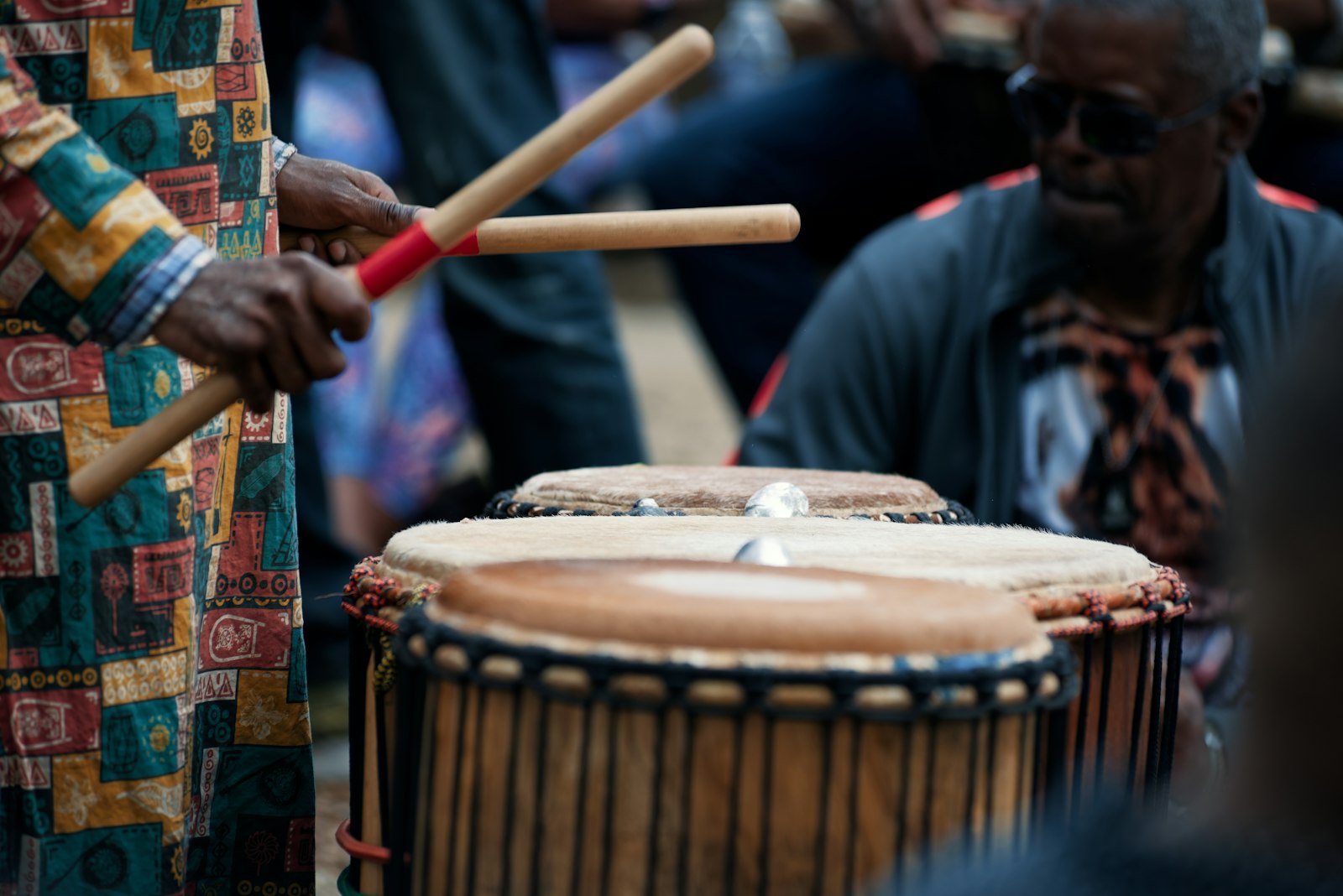
In a world that often feels increasingly fragmented and fast-paced, many people are looking backward to ancient traditions to find modern healing. One of the most potent, accessible, and joyful tools for emotional well-being is the drum. Whether it is the resonant bass of a djembe, the sharp slap of a conga, or the steady pulse of a frame drum, rhythm has a unique way of bypassing the analytical mind and speaking directly to the nervous system.
Drumming for mental health is more than just a hobby; it is a form of active meditation and community connection that has been scientifically shown to reduce cortisol, boost the immune system, and create a profound sense of presence. At Drum Circle Directory, we see firsthand how the simple act of hitting a drum in a supportive group can transform a person's outlook on life.
The Neuroscience of the Beat
When we drum, our brains undergo a process called entrainment. This occurs when the brain's internal rhythms—our brainwaves—begin to synchronize with the external pulse of the instrument. Research suggests that rhythmic drumming can induce a state of 'flow,' similar to deep meditation or a 'runner's high.'
For those struggling with anxiety or PTSD, this rhythmic grounding can be life-changing. The repetitive nature of a heartbeat-like pulse on a dunun or a soft mallet roll on a buffalo drum helps regulate the amygdala, the part of the brain responsible for the fight-or-flight response. By focusing on the tactile sensation of hands on skin and the auditory feedback of the sound, the drummer is pulled out of ruminative thought cycles and into the present moment.
Breaking Isolation Through Community Circles
One of the primary drivers of mental health struggles today is social isolation. Drum circles offer a unique solution: a low-pressure social environment where verbal communication is secondary to rhythmic connection. In a community drum circle, there are no mistakes, only variations. This inclusive atmosphere is particularly healing for those with social anxiety.
In a circle, the 'call-and-response' technique acts as a musical conversation. A facilitator might lead a simple pattern, and the group answers back. This reinforces a sense of being heard and belonging. For many, the drum circle becomes a weekly sanctuary—a place to release the week's frustrations and feel the literal vibration of a supportive community.
Releasing Stress with the Djembe and Doumbek
Physical movement is a key component of emotional release. Drumming is a full-body experience. It requires core stability, arm movement, and hand coordination. The physical act of striking a drum allows for the healthy expression of pent-up energy or 'stuck' emotions like anger or grief.
- The Djembe: Its wide range of tones—from deep bass to high-pitched slaps—allows for a broad spectrum of emotional expression.
- The Doumbek: This goblet drum, common in Middle Eastern traditions, offers intricate finger-work that encourages focus and fine motor skills, which can be incredibly soothing for a cluttered mind.
- The Frame Drum: Often used in shamanic or spiritual practices, its steady, hypnotic beat is ideal for self-reflection and grounding.
If you are new to these instruments, connecting with experienced drum teachers can help you learn the proper technique to play comfortably for hours without strain, ensuring your practice remains a source of joy rather than physical tension.
Drumming as Mindfulness and Active Meditation
Mindfulness is often associated with sitting in silence, but for many, silence can be a difficult place to start. Drumming provides an 'anchor' for the wandering mind. It is difficult to worry about tomorrow's to-do list when you are focused on maintaining a polyrhythm or staying in sync with the person sitting across from you.
Many practitioners find that a 'full-moon gathering' or a dedicated drumming retreat provides the necessary immersion to reset their mental state. These extended sessions allow the body to fully settle into the rhythm, leading to a state of 'theta' brainwave activity, which is associated with deep relaxation and creative insight.
Accessibility: A Path for Everyone
You don't need to be a 'musician' to benefit from drumming for mental health. In fact, some of the most profound healing happens when people let go of the need to sound 'good' and instead focus on how the drumming feels. Most community circles are family-friendly and welcome absolute beginners.
If you’re looking to deepen your practice beyond the occasional circle, attending drum schools or local workshops can provide a structured environment to explore the therapeutic aspects of rhythm. Learning the history and cultural context of the rhythms you play can also foster a sense of global connection and purpose.
Finding Your Rhythm Locally
The journey toward better mental health doesn't have to be a solitary one. Across the globe, rhythm communities are forming to provide a safe space for expression and healing. Whether it’s a localized park gathering or a professionally facilitated therapeutic rhythm group, the beat is waiting for you.
Ready to experience the healing power of the beat? Find a drum circle near you and start your journey toward rhythmic wellness today.
Frequently asked
- Do I need to be a musician to drum for mental health?
- Not at all. The mental health benefits of drumming come from the vibration, the rhythmic focus, and the community connection rather than musical 'skill.' Most therapeutic drum circles are designed for beginners with no prior experience.
- What kind of drum is best for stress relief?
- The djembe is a popular choice because its deep bass notes provide a grounding physical vibration. However, frame drums or even simple shakers can be effective for mindfulness and calming the nervous system.
- How often should I drum to see benefits?
- Even a single 20-minute drumming session can lower cortisol levels. However, consistent participation in a weekly or monthly drum circle provides the added benefit of social support and long-term stress management.
- Can drumming help with clinical depression or anxiety?
- While drumming is not a replacement for professional medical treatment, many studies show it is an effective complementary therapy. It helps by increasing dopamine, providing a social outlet, and offering a healthy way to process difficult emotions.
Find a drum circle near you
Browse hundreds of circles, teachers and rhythm community gatherings.
Explore drum circles