Drumming for Schools: Building Community Through Rhythm
Discover how drumming for schools transforms classrooms into vibrant, rhythmic communities that enhance student focus and emotional well-being.
In the modern classroom, finding ways to engage students while fostering social-emotional learning (SEL) is a top priority for educators. Drumming for schools has emerged as a powerful, inclusive, and highly effective tool to bridge the gap between academic focus and creative expression. Unlike many extracurricular activities, a drum circle requires no prior musical experience, making it an ideal platform for students of all abilities to connect, listen, and contribute to a collective voice.
The Power of Rhythm in Education
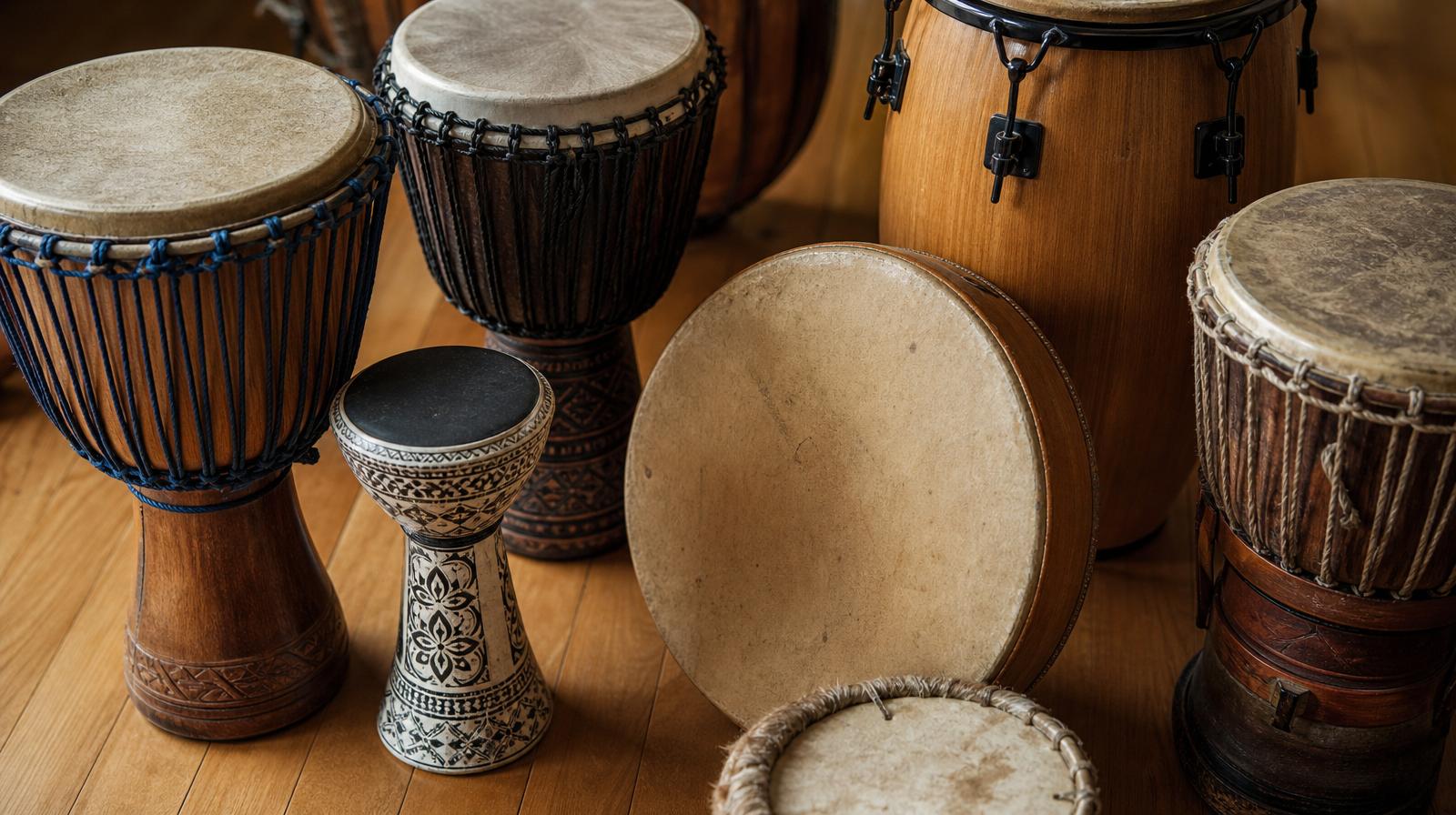
When we bring drumming into a school setting, we aren't just teaching kids how to hit a drum. We are introducing them to the fundamental language of rhythm. Whether it’s the deep, grounding bass of a djembe or the sharp, crisp slap of a doumbek, every sound contributes to a larger conversation.
Research has shown that rhythmic activities can synchronize the brain's hemispheres, leading to improved concentration and decreased stress. In a school environment, where students often face pressure from standardized testing and social dynamics, a 45-minute drumming session acts as a necessary release valve. It shifts the energy from individual competition to communal collaboration.
Enhancing Social-Emotional Learning (SEL)
Drumming for schools is one of the most direct ways to practice SEL in real-time. Through facilitated rhythm games and call-and-response exercises, students learn essential life skills:
- Active Listening: To stay in time, students must listen more than they play.
- Empathy: Recognizing the role each peer plays in the rhythm fosters a sense of belonging.
- Self-Regulation: Controlling the volume and intensity of one's playing requires physical and emotional discipline.
- Confidence: Taking a solo or leading a simple beat empowers students who may be quiet in traditional academic settings.
Integrating Different Instruments
A diverse school drum circle introduces students to global cultures. By using a variety of instruments, educators can turn a rhythm session into a geography and history lesson.
- Djembes: These West African drums are the most popular choice for schools due to their versatility and ease of use.
- Dununs: Large cylindrical drums played with sticks that provide the heartbeat of the rhythm.
- Frame Drums: Lightweight and portable, these are excellent for younger students or for teaching subtle finger techniques.
- Congas and Bongos: Great for introducing Afro-Cuban rhythms and hand-to-hand coordination.
- Hand Percussion: Shakers, bells, and woodblocks allow students who might feel intimidated by a large drum to still participate fully.
Building a Sustainable School Drumming Program
Starting a program doesn't require a massive budget. Many schools begin by hiring a professional facilitator for a one-day assembly. These experts bring a trailer full of instruments and lead the entire student body through a high-energy experience.
If you are looking to build a long-term curriculum, consider connecting with professional drum teachers who specialize in youth pedagogy. They can help train music teachers on how to facilitate circles rather than just conduct them. Additionally, exploring specialized drum schools can provide your staff with the resources needed to maintain a rhythmic program year-round.
Drumming for Inclusion and Special Education
One of the most beautiful aspects of drumming for schools is its accessibility. For students with neurodiversity, such as autism or ADHD, the predictable structure of a 4/4 beat can be incredibly soothing. The tactile nature of the drumhead provides sensory feedback that helps students stay grounded and present.
In inclusive classrooms, a drum circle levels the playing field. A student who struggles with reading or math can be a rhythmic leader, gaining peer recognition and self-esteem. The non-verbal nature of drumming allows English Language Learners (ELL) to participate fully without the barrier of language.
Planning Your First School Drumming Event
If you’re ready to bring the beat to your campus, here are a few steps to get started:
- Define Your Goal: Is this for stress relief before finals, a cultural celebration, or a team-building exercise for the faculty?
- Find the Right Space: Gyms are great for large groups, but outdoor courtyards offer a wonderful acoustic environment for events that involve the whole community.
- Hire a Facilitator: Look for someone experienced in classroom management who understands how to guide the energy of 30 or 300 students.
- Incorporate Movement: Encourage students to stand up, dance, or use body percussion (clapping, stomping) to internalize the beat.
The Long-Term Impact on School Culture
Schools that embrace drumming often report a shift in their overall culture. The "rhythm of the school" becomes more harmonious. When students learn to play together, they learn to live together. The spirit of the drum circle—where every voice matters and no one is judged—begins to permeate the hallways and the playground.
For educators who want to dive deeper into their own practice, attending drumming retreats can be a transformative way to recharge and bring new rhythmic ideas back to the classroom.
Find a drum circle near you by visiting our directory.
Frequently asked
- What age group is best for school drumming?
- Drumming is suitable for all ages, from preschool to university level. For younger children, the focus is on steady beat and playfulness, while older students can tackle complex polyrhythms and cultural history.
- Do we need to buy drums to start a program?
- Not necessarily. Many facilitators provide their own instruments for workshops. You can also start with 'found percussion' like buckets or desk tapping before investing in a full set of djembes.
- How does drumming help with classroom management?
- Drumming teaches students to follow non-verbal cues and signals. It builds a collective focus that makes it easier for teachers to transition between activities and helps students settle their energy after high-stimulus periods.
Find a drum circle near you
Browse hundreds of circles, teachers and rhythm community gatherings.
Explore drum circles