
Beat the Burnout: A Guide to Drumming for Stress Relief
Discover how the ancient art of rhythm can lower cortisol, boost your mood, and provide a powerful outlet for daily stressors.
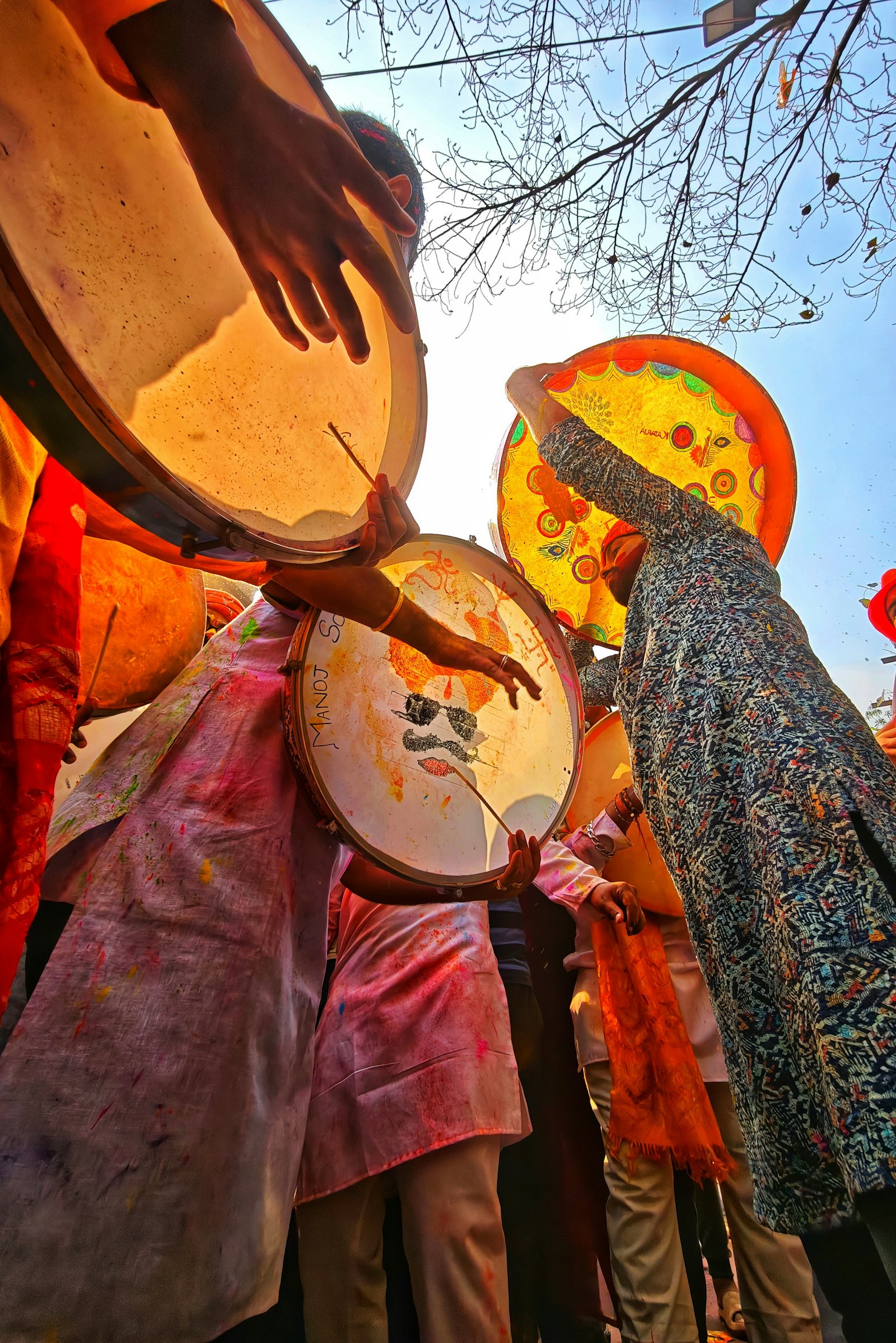
In our fast-paced, digital-heavy world, finding a genuine escape from the pressures of work and life can feel like an uphill battle. While many turn to meditation or exercise, there is an ancient, tactile, and deeply communal practice that offers immediate relief: the drum.
Drumming for stress relief isn't just a metaphor for 'hitting things' to feel better. It is a scientifically backed method of nervous system regulation that combines physical activity, focused mindfulness, and social connection. Whether you are tapping a frame drum in a quiet room or joining a high-energy djembe circle, the rhythm has a unique way of grounding the spirit.
The Science of Rhythm and Cortisol
When we talk about drumming for stress relief, we are talking about biological changes. Studies have shown that group drumming can actually increase the production of natural killer cells, which boost the immune system, while simultaneously lowering cortisol levels.
Cortisol is the body's primary stress hormone. When it remains high for too long, we experience burnout, anxiety, and physical fatigue. The repetitive nature of a drum beat—specifically the 'steady state' rhythm—helps the brain move from the high-frequency Beta waves (associated with concentration and anxiety) to Alpha waves (associated with relaxation and flow).
Why Hand Drums are Perfect for Beginners
You don't need to be a professional percussionist to reap the rewards of rhythm. In fact, the simplicity of hand drums makes them the perfect entry point for wellness. Unlike a complex drum kit that requires four-limb coordination, drums like the djembe, conga, or bongo allow you to focus entirely on the tactile sensation of your hands hitting the skin.
- The Djembe: Known for its deep bass and sharp slaps, it offers a wide range of expression.
- The Frame Drum: A gentle, ancient instrument often used in melodic, meditative drumming.
- The Doumbek: A goblet-shaped drum from the Middle East that provides crisp, intricate sounds for focused play.
If you're unsure where to start, many drum teachers specialize in therapeutic techniques rather than just technical mastery, helping you find your own internal beat.
The Power of the Community Drum Circle
There is a profound difference between drumming alone and drumming in a group. A drum circle is a living, breathing organism where every participant contributes to a collective sound. For many, the 'social' aspect of drumming for stress relief is the most potent part of the experience.
In a circle, there is no 'wrong' note. The facilitator might lead a call-and-response, where one person plays a phrase and the group answers. This creates a sense of belonging and being heard without the need for words. It breaks the isolation that stress often creates, replacing it with a shared, rhythmic pulse.
Mindful Drumming: A Moving Meditation
Mindfulness is often associated with sitting still in silence, but for many, 'active' meditation is more effective. Drumming requires you to be present. You are listening to the sound, feeling the vibration in your palms, and maintaining a tempo.
When you are focused on a complex 6/8 rhythm or a steady 4/4 dunun pattern, there is no room in the brain for ruminating on tomorrow's to-do list. This is often referred to as 'The Flow State.' In this state, time seems to disappear, and the physical tension in your shoulders and jaw begins to melt away.
Setting Up a Home Practice for Daily Calm
You don't have to wait for a scheduled event to find relief. A 10-minute daily practice at home can significantly alter your mood.
- Find a dedicated space: Choose a spot where you feel comfortable making noise.
- Start with your heartbeat: Gently drum a simple 'thump-thump' rhythm to ground yourself.
- Breathe with the beat: Inhale for four beats, exhale for four beats.
- Expressive release: If you're feeling frustrated, let the volume rise. If you're feeling tired, keep the touches light and soft.
For those looking to deepen their practice, attending drumming retreats can provide an immersive environment to disconnect from technology and reconnect with the self through rhythm.
Finding Your Rhythm Locally
While solo practice is wonderful, the magic of the community is where most people find their 'aha' moment. Whether it's a full-moon gathering on a beach or a structured workshop in a community center, these events are designed to be inclusive and stress-free.
If you're ready to step out and experience the collective power of the beat, you can easily find a drum circle near you and start your journey toward a calmer, more rhythmic life.
Frequently asked
- Do I need to be musical to use drumming for stress relief?
- Not at all. Therapeutic drumming is about the process and the vibration, not about musical perfection. Most community circles are beginner-friendly and focus on the feeling of the rhythm rather than technical skill.
- What kind of drum is best for relaxation?
- Frame drums and djembes are very popular for relaxation. Frame drums offer a soft, hypnotic tone perfect for meditation, while the djembe allows for a physical release of energy through its deep bass notes.
- How long should I drum to feel the benefits?
- Even 10 to 20 minutes of rhythmic drumming can lower your heart rate and reduce feelings of anxiety. Longer sessions, like a 60-minute drum circle, often lead to a 'drummer's high' due to the release of endorphins.
Find a drum circle near you
Browse hundreds of circles, teachers and rhythm community gatherings.
Explore drum circles