Drumming for Team Building: The Power of Rhythmic
Discover how drumming for team building transforms corporate dynamics through the universal language of rhythm and shared beats.
In the modern workplace, teams are often fragmented by digital barriers, remote work, and high-pressure deadlines. Traditional icebreakers often fall flat, leaving employees feeling more disconnected than before. Enter the ancient art of the drum circle. Drumming for team building has emerged as a powerhouse tool for corporate wellness and organizational development, offering a visceral way to align a group toward a single goal.
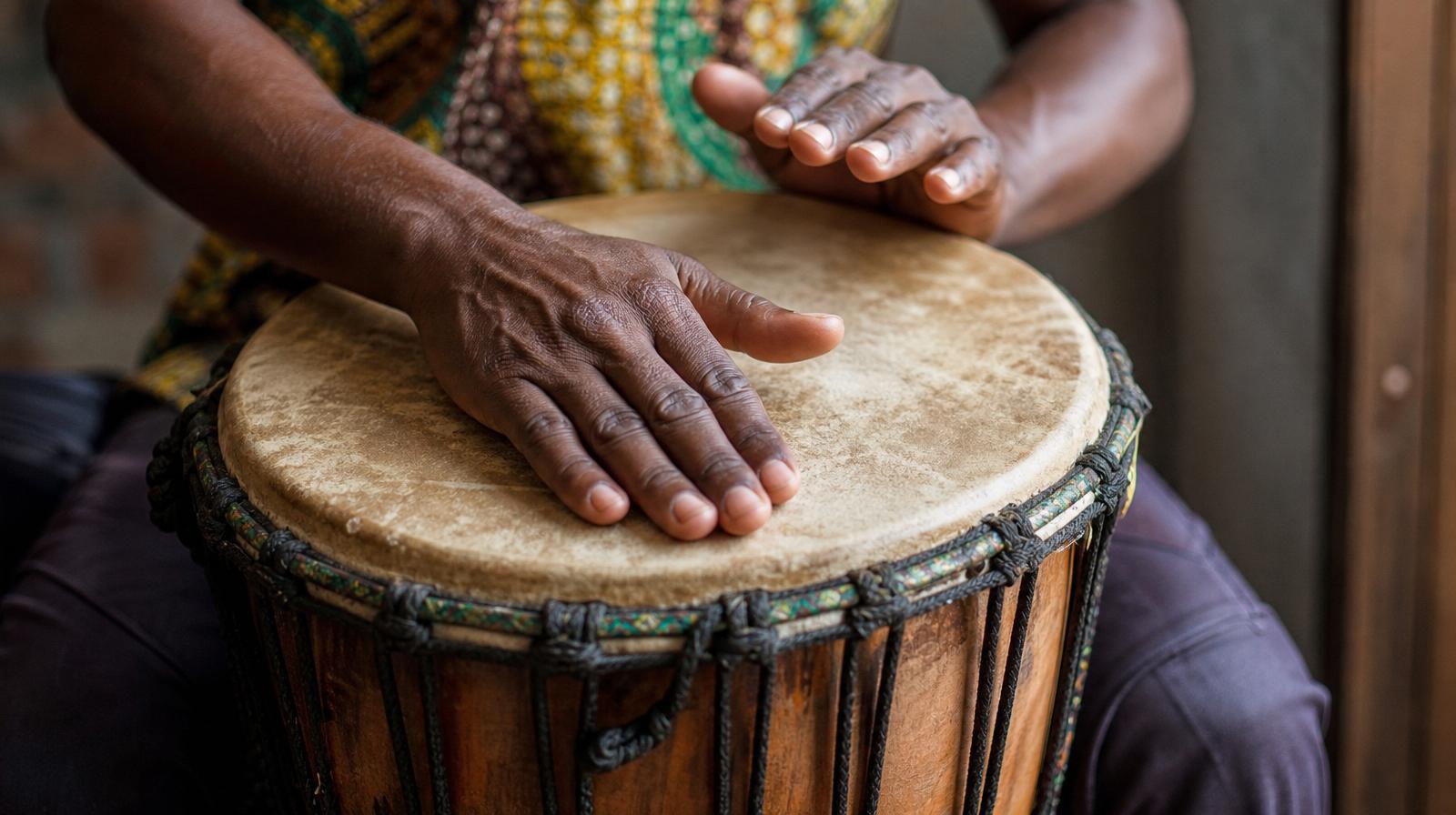
When a team sits in a circle, each member holding a djembe, a frame drum, or a shaker, the hierarchy of the office vanishes. The CEO and the intern are suddenly equal contributors to a collective sound. This rhythmic leveling creates an environment where communication flows naturally and barriers dissolve through the simple act of keeping time.
Why Rhythm Works for Corporate Teams
Human beings are rhythmic by nature. From our heartbeat to our gait, rhythm is hardwired into our biology. When we drum together, we tap into a process known as entrainment—the tendency for two or more oscillating systems to lock into the same period. In a business context, this translates to a group of individuals literally "getting in sync."
Drumming for team building bypasses the analytical brain and engages the creative, collaborative spirit. It requires active listening, where participants must hear the beats of their colleagues to ensure their own contribution fits the larger pattern. This mirrors the essential workplace skill of collaborative problem-solving.
Breaking Down Silos with the Djembe and Conga
One of the biggest challenges in any organization is the "silo effect," where departments fail to communicate effectively. During a facilitated drumming session, different sections of the circle may be assigned different parts—a low-end heartbeat on the dununs, a steady slap on the congas, and a sharp, high-pitched call on the djembe.
Initially, these parts might sound chaotic. However, under the guidance of a skilled facilitator, the group learns how these distinct voices support one another. The realization that the "bass" needs the "treble" to create a complete song is a powerful metaphor for how sales, marketing, and engineering must work in harmony to drive a company forward.
The Role of the Rhythm Facilitator
A successful team-building event isn't just about handing out instruments and hoping for the best. It requires a professional who understands group dynamics. These experts use various techniques to guide the experience:
- Call-and-Response: The facilitator plays a pattern, and the group mimics it, building focus and attention.
- Stop-and-Start: Teaching the group to end a thunderous rhythm in total silence on a single cue, emphasizing precision and shared intent.
- Volume Control: Moving from a whisper-quiet pitter-patter to a roaring crescendo, demonstrating the impact of collective energy management.
If you are looking to bring this experience to your office, you can find expert drum teachers who specialize in corporate facilitation to ensure your session is both fun and impactful.
Reducing Stress and Boosting Morale
Workplace burnout is a significant threat to productivity. Drumming is a scientifically proven stress-reliever. The physical act of striking a drum releases endorphins and provides a healthy outlet for pent-up frustration. Unlike a typical lecture-based seminar, a drumming session is physically engaging and mentally refreshing.
Participants often report a "drummer's high" after a session—a state of relaxed alertness that carries back into the boardroom. By investing in events that prioritize employee well-being, companies foster a culture of care and appreciation that lasts long after the final beat.
Practical Tips for Your First Team Drumming Session
If you are planning an event, keep these considerations in mind to ensure maximum participation:
- Inclusive Instrument Selection: Provide a variety of instruments, including lightweight frame drums for those with physical limitations and cowbells or shakers for those who might feel intimidated by a large drum.
- Space Matters: Arrange chairs in a concentric circle. This ensures everyone can see the facilitator and each other, promoting eye contact and non-verbal communication.
- Keep it Brief but Impactful: A 45-to-90-minute session is usually the "sweet spot" for maintaining high energy without causing physical fatigue.
- Connect to Goals: Have a brief debrief afterward to discuss how the rhythmic experience relates to current projects or company values.
For organizations looking for a deeper dive, some teams opt for multi-day drumming retreats where they can combine rhythm work with strategic planning in a natural setting.
The Long-Term Impact on Workplace Culture
The goal of drumming for team building isn't to turn your staff into professional percussionists. It is to remind them that they are part of a larger whole. When employees return to their desks, they carry the memory of that shared success. They remember the moment the rhythm finally "clicked" and the laughter that followed a particularly complex break.
These shared experiences build the social capital necessary for navigating difficult business cycles. A team that has found its groove together is far more likely to stay resilient when the pressure is on.
Find a drum circle near you by visiting our drum circles directory to see how rhythm can transform your community.
Frequently asked
- Do employees need musical experience to participate in team building drumming?
- Absolutely not. The beauty of a facilitated drum circle is that it is designed for all skill levels. Most participants have never touched a drum before, and facilitators use simple techniques to ensure everyone can contribute to the rhythm within minutes.
- How many people can participate in a team drumming event?
- Drumming is incredibly scalable. It works beautifully for small executive teams of 10 people, but can also be facilitated for large conferences with 500 or even 1,000 participants. The energy actually tends to increase as the group size grows.
- What kind of drums are used in corporate team building?
- The most common instrument is the West African djembe because it is easy to play and produces a wide range of sounds. However, facilitators often include congas, dununs, boomwhackers, and various hand percussion like shakers and tambourines to provide a diverse soundscape.
Find a drum circle near you
Browse hundreds of circles, teachers and rhythm community gatherings.
Explore drum circles