Drumming Therapy: How Rhythm Heals the Mind and Body
Discover the transformative power of drumming therapy, from reducing stress to building neurological pathways through the ancient art of hand drumming.
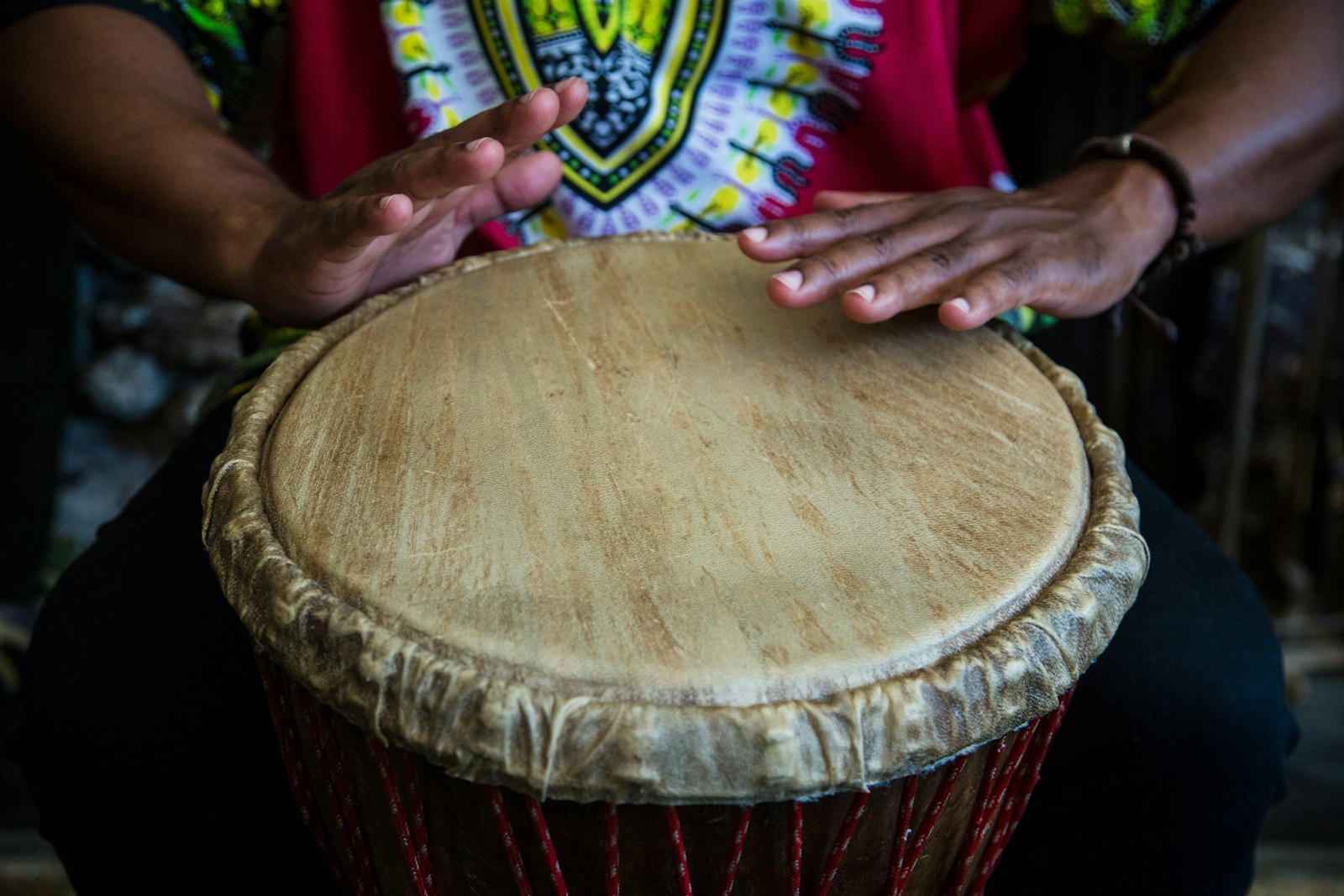
For thousands of years, the beat of the drum has served as the heartbeat of human community. From the West African djembe to the Middle Eastern doumbek and the Native American frame drum, rhythm has been used to celebrate, to mourn, and most importantly, to heal. Today, modern science is finally catching up to this ancient wisdom through the formal practice of drumming therapy.
Drumming therapy is an evidence-based approach that utilizes rhythm to promote emotional expression, cognitive function, and physical rehabilitation. Whether it is a clinical setting with a board-certified music therapist or a community-led circle, the act of striking a drumhead creates a resonance that vibrates through every cell in the human body.
The Science Behind the Beat
Research in neurobiology has shown that drumming therapy can significantly impact brain activity. When we drum, we engage both hemispheres of the brain. The rhythmic patterns require the logical left brain to process time and sequence, while the creative right brain handles the intuitive flow and feel of the music.
This "whole-brain" synchronization promotes the production of alpha waves, which are associated with relaxation and flow states. Furthermore, studies have indicated that group drumming can increase the production of T-cells, strengthening the immune system and helping the body fight off viruses and even cancer cells.
Emotional Release and Mental Health
One of the most profound benefits of drumming therapy is its ability to provide a non-verbal outlet for complex emotions. For individuals struggling with PTSD, depression, or anxiety, talking about trauma can often be re-traumatizing. The drum offers a different path.
-
Stress Reduction: Drumming lowers cortisol levels, the body's primary stress hormone.
-
Catharsis: The physical act of drumming allows for the release of suppressed anger or grief in a safe, constructive environment.
-
Mindfulness: Focusing on a steady pulse forces the mind into the present moment, quieting the "monkey mind" that fuels anxiety.
If you are looking for professional guidance in these areas, many drum teachers specialize in therapeutic techniques rather than just performance skills.
Drumming Therapy for Neurological Conditions
In clinical settings, drumming therapy is increasingly used to treat neurological disorders such as Parkinson’s disease, Alzheimer’s, and Autism Spectrum Disorder (ASD).
For those with Parkinson's, the external cue of a steady beat can help regulate gait and motor control. For children on the autism spectrum, the predictable, structured nature of a drum beat provides a sense of security and a medium for social interaction that doesn't rely on eye contact or verbal cues. The drum schools that offer specialized programs often focus on these developmental benefits.
The Power of the Group: Community as Medicine
While solo drumming is beneficial, there is a unique magic in the collective pulse. Group drumming therapy fosters a sense of belonging and reduces the isolation that often accompanies chronic illness or mental health struggles.
In a circle, there is no hierarchy. Whether you are playing a deep-toned dunun or a high-pitched shaker, every voice is essential to the whole. This "rhythmic entrainment"—the process of multiple people syncing their internal rhythms to a shared beat—creates a powerful sense of social cohesion and empathy.
Choosing Your Instrument for Healing
The instrument you choose can change the therapeutic experience:
-
Djembe: The "healing drum" of West Africa. Its wide range of tones (bass, tone, slap) allows for diverse emotional expression.
-
Frame Drum: Often played with a soft mallet or fingers, these drums produce a soothing, hypnotic drone ideal for meditation.
-
Congas: The physical movement required for conga playing provides excellent upper-body exercise and coordination training.
-
Native American Hoop Drums: Traditionally used for journeying and deep spiritual connection.
How to Get Started with Drumming Therapy
You don’t need to be a "musician" to benefit from drumming therapy. In fact, many participants have never touched a drum before their first session. The goal isn't to play a perfect 4/4 beat; it's to connect with your own internal rhythm.
To begin your journey, you might look for drumming retreats that focus on wellness and self-discovery. These immersive experiences often combine rhythm with yoga, meditation, and nature to provide a holistic healing environment.
If you prefer a more casual start, attending local events or community circles can be a low-pressure way to feel the vibration and see how your body responds to the sound.
Finding Your Rhythm
Whether you are seeking relief from a specific condition or simply want to improve your overall quality of life, drumming therapy offers a path that is as joyful as it is effective. The drum is a tool for transformation, waiting to help you find your way back to balance.
Find a drum circle near you and start your healing journey today.
Frequently asked
- Do I need musical experience to participate in drumming therapy?
- No experience is necessary. Drumming therapy focuses on the process of sound and rhythm for healing rather than musical performance or technical mastery. Most facilitators will guide you through simple patterns that anyone can follow.
- What is the difference between a drum circle and drumming therapy?
- A drum circle is generally a social gathering focused on community and fun. Drumming therapy is typically led by a trained facilitator or therapist with specific health goals in mind, such as improving motor skills or processing emotional trauma.
- Can drumming therapy help with physical pain?
- Yes, drumming promotes the production of endorphins and endogenous opiates, which are the body’s natural painkillers. The rhythmic distraction and deep vibration can also help shift the brain's focus away from chronic pain signals.
Find a drum circle near you
Browse hundreds of circles, teachers and rhythm community gatherings.
Explore drum circles