Drums for Nonprofits: Building Community Through Rhythm
Discover how rhythm programs can transform your nonprofit's mission, from therapeutic healing to community building and fundraising.
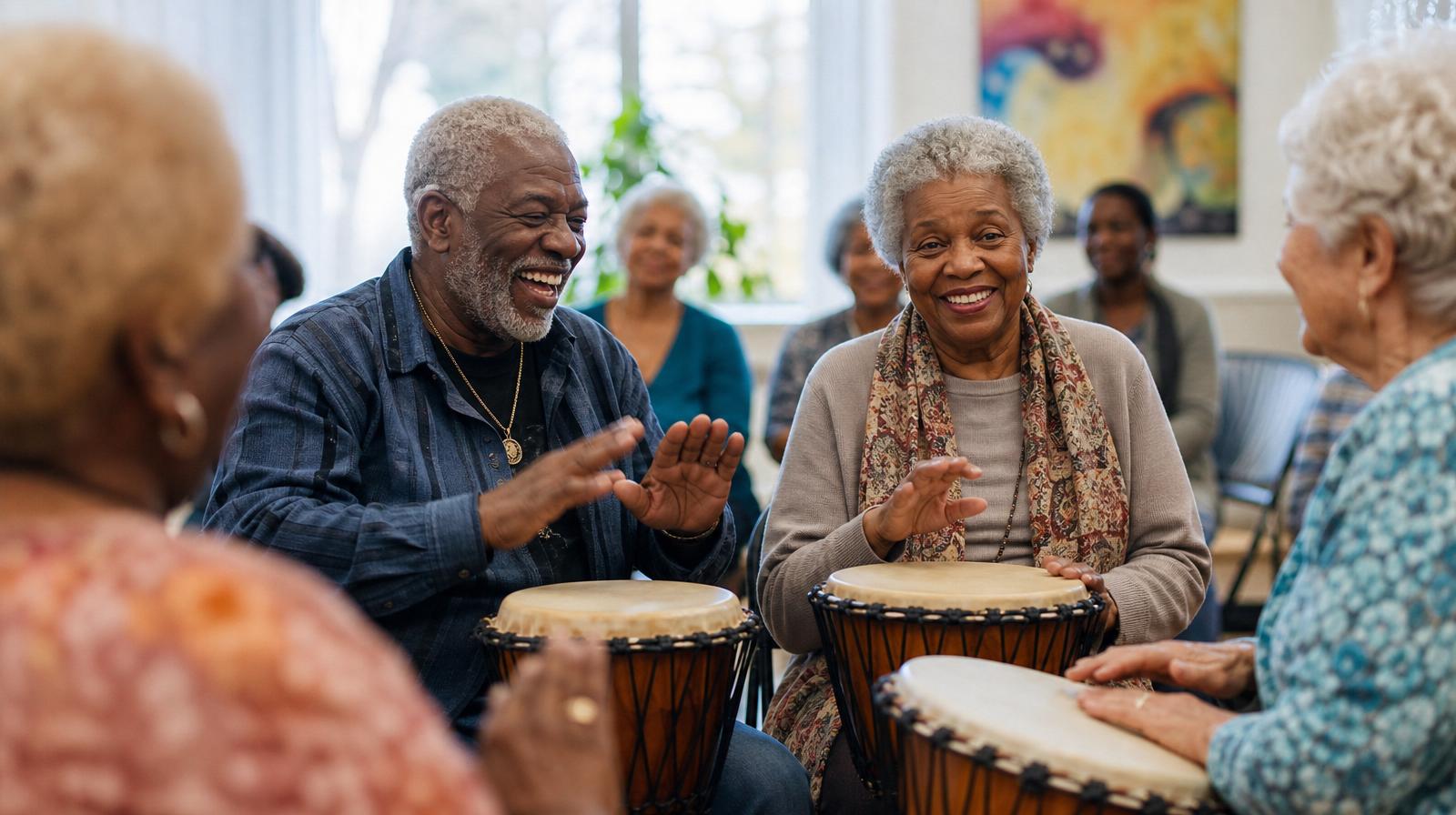
For nonprofits, the challenge is often how to bridge the gap between diverse groups of people, foster healing, and create a sense of shared purpose. Rhythm is a universal language that transcends barriers of age, background, and ability. Implementing drums for nonprofits isn't just about music; it is a powerful tool for social change, mental health, and community cohesion.
Whether you are a youth-focused organization, a veteran support group, or an environmental NGO, the drum circle offers a unique way to engage your stakeholders. In this guide, we explore how to integrate drumming into your nonprofit’s mission.
The Power of Rhythm in Social Impact
Drumming has been used for millennia to bring people together. For a nonprofit, this translates to improved communication and reduced social isolation. When a group of people picks up a djembe or a frame drum, the hierarchy often disappears. Everyone contributes to the pulse, creating a metaphor for a healthy organization where every voice—or beat—matters.
Research has shown that group drumming can reduce stress, improve immune system function, and foster a sense of belonging. For nonprofits working in the health and wellness sector, these benefits are invaluable. A drum circle can serve as a low-cost, high-impact intervention for clients dealing with trauma or chronic illness.
Selecting the Right Drums for Your Program
Choosing the right instruments is crucial for the success of your program. You want drums that are durable, easy to play, and culturally resonant. Here are the staples for any nonprofit drum kit:
- Djembes: These West African drums are the most popular choice for community circles. They offer a wide range of sounds—bass, tone, and slap—and are intuitive for beginners.
- Dunun: Often played with sticks, these bass drums provide the heartbeat of West African rhythm and give the circle a solid foundation.
- Congas and Tubanos: These are excellent for seated circles and offer a warm, melodic tone that is synonymous with Latin rhythms.
- Frame Drums: Lightweight and portable, frame drums are perfect for therapeutic settings or mobile programs that travel to different sites.
- Auxiliary Percussion: Don't forget shakers, bells, and woodblocks. These allow individuals with limited mobility or those who are rhythmically shy to participate fully.
Drumming for Fundraising and Awareness
Nonprofits are always looking for creative ways to engage donors. Instead of a standard gala, imagine a participatory rhythm event. A facilitated drum circle can break the ice at a fundraiser, getting donors out of their seats and into the flow of your mission.
Interactive drumming sessions can also be used at events to draw a crowd and create a memorable experience. When people play together, they feel a connection not just to each other, but to the cause they are supporting. It turns a passive audience into an active community.
Finding the Right Facilitators and Teachers
A drum circle for a nonprofit is only as good as its leader. Unlike a performance, a facilitated drum circle focuses on the experience of the participants. A skilled facilitator knows how to guide the energy of the room, ensuring that even the most hesitant participant feels successful.
If your nonprofit is looking to start a long-term program, you might consider partnering with professional drum teachers who specialize in community music. They can provide the technical skills needed to help your participants grow, while keeping the focus on the joy of the rhythm.
Integrating Drumming into Youth and Senior Programs
For youth-focused nonprofits, drumming is a fantastic way to teach discipline, teamwork, and emotional regulation. Call-and-response exercises help children practice listening and patience. Many drum schools offer outreach programs specifically designed for after-school environments.
On the other end of the spectrum, senior centers find that drumming improves motor skills and cognitive function. The tactile nature of hitting a drum head provides sensory stimulation that is both grounding and energizing. Lightweight instruments like the doumbek or small frame drums are ideal for these sessions.
Building a Sustainable Rhythm Program
To make drums for nonprofits a long-term success, sustainability is key. This involves:
- Grant Writing: Seek out arts and culture grants or health-related funding that supports community wellness.
- Training Staff: Consider sending a staff member to drumming retreats that focus on facilitation skills.
- Community Partnerships: Partner with local music stores for instrument donations or discounts.
- Documentation: Keep track of participant feedback and social outcomes to show donors the impact of the program.
By treating the drum circle as a core part of your programming rather than a one-off activity, you build a culture of rhythm that can sustain your organization for years to come.
Find a drum circle near you to see the power of community rhythm in action.
Frequently asked
- What are the best drums for a nonprofit with a limited budget?
- For organizations on a budget, we recommend starting with a mix of synthetic-head djembes and auxiliary percussion like shakers. Synthetic heads are durable and don't require tuning, making them perfect for high-use environments. You can often find bulk discounts through educational music suppliers.
- Do we need a professional musician to lead our drum circle?
- While you don't need a virtuoso, you do need a trained facilitator. Facilitation is a specific skill set focused on group dynamics rather than musical performance. A good facilitator ensures everyone is included and the rhythm stays cohesive.
- How can drumming help with nonprofit staff burnout?
- Drumming is a powerful stress-reliever. Hosting a monthly staff drum circle can help team members release tension, improve communication, and bond outside of their daily tasks. It provides a much-needed 'reset' button for high-stress nonprofit environments.
Find a drum circle near you
Browse hundreds of circles, teachers and rhythm community gatherings.
Explore drum circles